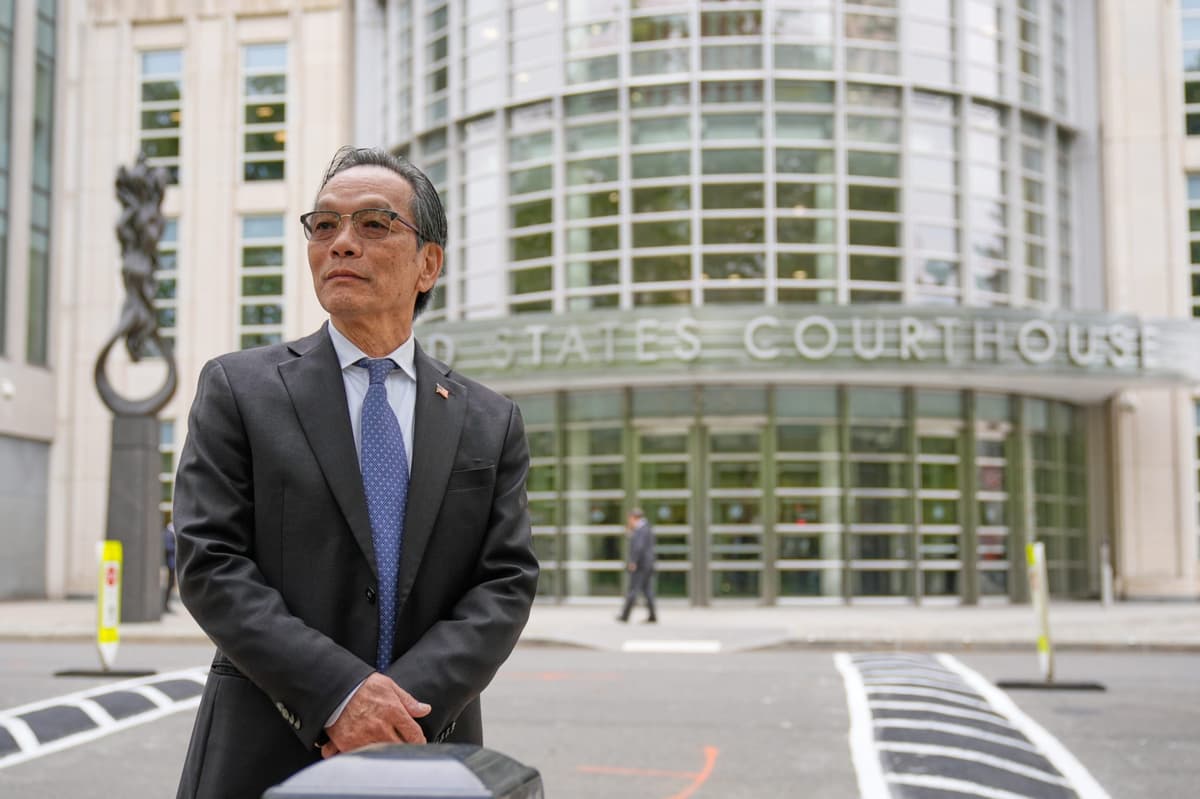
Was It a Secret Chinese Spy Headquarters or a Ping-Pong Parlor? New York Chinatown Case Goes to Trial
Why It Matters
The outcome will shape how aggressively the U.S. enforces foreign‑agent registration and addresses alleged Chinese surveillance networks on American soil, affecting both national security and diaspora communities.
Key Takeaways
- •Lu Jianwang charged with conspiring to act as a foreign agent.
- •Prosecutors allege the Chinatown office functioned as a Chinese police outpost.
- •Defense argues the space was a community center offering driver‑license services.
- •Case highlights enforcement of the Foreign Agents Registration Act against diaspora networks.
- •Trial could set precedent for U.S. response to overseas Chinese surveillance stations.
Pulse Analysis
China’s strategy of establishing covert police stations abroad has drawn increasing scrutiny from U.S. law‑enforcement agencies. These outposts, reportedly numbering dozens worldwide, are designed to monitor dissidents, coerce expatriates, and extend Beijing’s reach beyond its borders. The Manhattan location, situated amid hotels and cafés, exemplifies how such operations can blend into ordinary urban settings, complicating detection and raising diplomatic tensions. Recent congressional hearings and FBI raids signal a shift toward more proactive countermeasures against transnational repression.
The Lu Jianwang trial brings the legal framework of the Foreign Agents Registration Act (FARA) into sharp focus. Prosecutors argue that Lu’s alleged coordination with a Chinese public‑security entity, including the deletion of incriminating WeChat messages, constitutes a willful violation of FARA, which mandates disclosure of foreign influence activities. Defense counsel counters that the venue functioned as a benign community hub, providing services like driver‑license renewals during pandemic travel restrictions. This dichotomy highlights the challenge of distinguishing legitimate cultural assistance from covert intelligence work, a nuance that courts must navigate while preserving First‑Amendment rights.
Beyond the courtroom, the case reverberates through Chinese‑American communities and U.S. policy circles. A conviction could embolden further raids on suspected overseas police stations, prompting diaspora groups to scrutinize their affiliations and operational transparency. Conversely, an acquittal might reinforce arguments that such investigations risk stigmatizing ethnic communities. Lawmakers are watching closely, as the outcome may inform future legislation aimed at tightening FARA compliance and curbing foreign interference, while also shaping public perception of China’s global surveillance ambitions.
Was it a secret Chinese spy headquarters or a ping-pong parlor? New York Chinatown case goes to trial
Comments
Want to join the conversation?
Loading comments...