Washington Guard, Thailand Partners Train Through Cobra Gold 2026
•March 4, 2026
0
Why It Matters
The HADR component of Cobra Gold builds interoperable response capabilities that can save lives during regional disasters while deepening U.S.–Thai security ties and regional stability.
Key Takeaways
- •Seven nations practiced joint HADR drills
- •US and Thai forces integrated hazmat response
- •Search‑and‑rescue dogs showcased capabilities
- •Training strengthens civil‑military coordination for disasters
- •Washington National Guard contributed specialized chemical‑biological expertise
Pulse Analysis
Cobra Gold, the Pacific‑Asia joint military exercise, has grown beyond traditional combat readiness to become a premier platform for humanitarian assistance and disaster relief training. By rotating host nations and incorporating a broad coalition of partners, the 2026 iteration showcased how the United States and its allies can synchronize command structures, communications, and logistics in real‑time. This evolution reflects a strategic shift toward non‑kinetic operations, where saving civilian lives and protecting infrastructure are as vital as deterrence. The inclusion of specialized units such as the Washington National Guard’s Homeland Response Force underscores the exercise’s emphasis on chemical, biological, radiological, and nuclear (CBRN) preparedness.
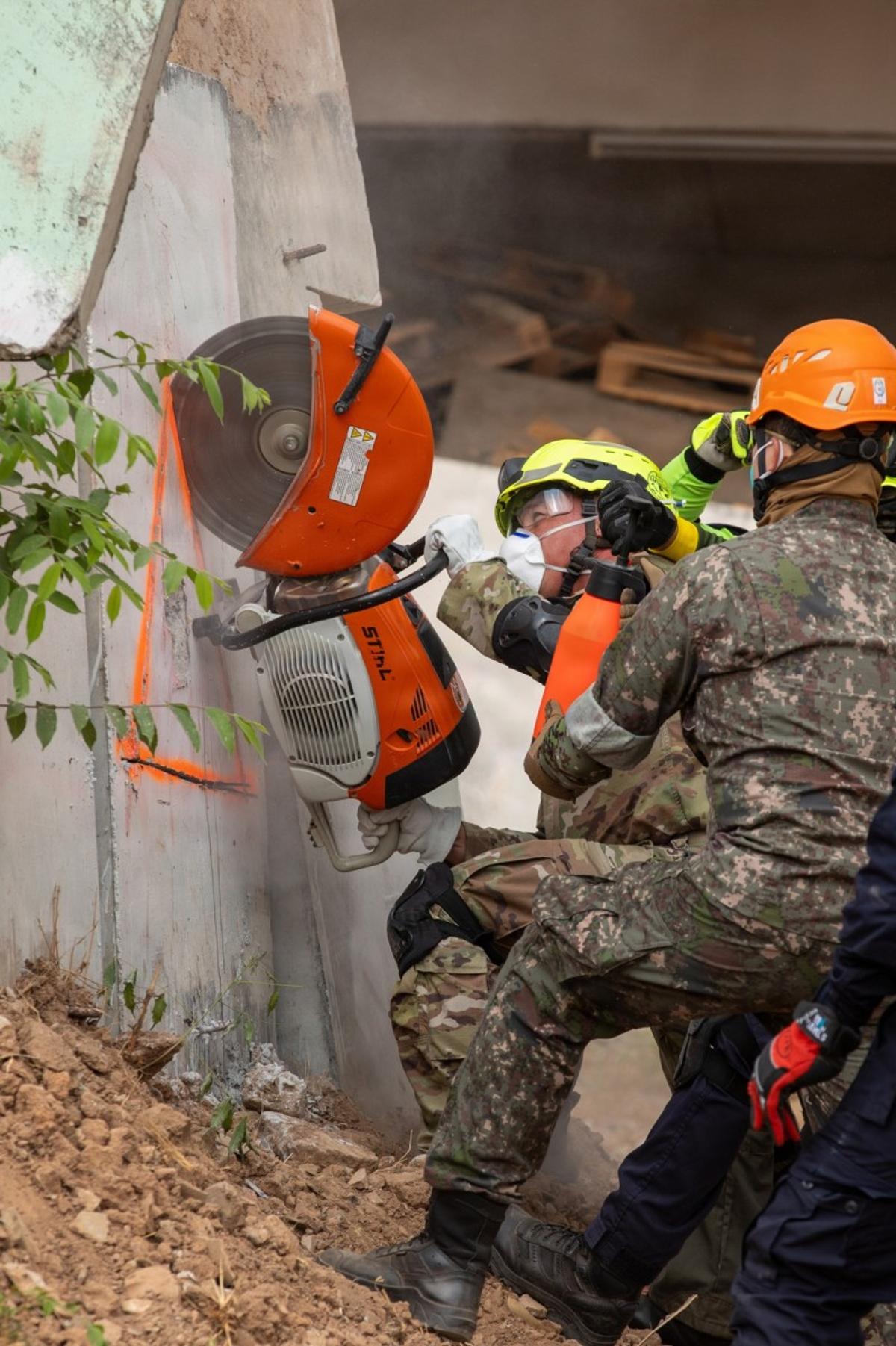
The HADR demonstration at the Disaster Relief Training Centre highlighted practical capabilities that translate directly to regional crises. Joint search‑and‑rescue teams, equipped with trained dogs, executed high‑angle rope rescues while medical squads provided triage under simulated flood conditions. Hazmat entry drills with the Bangkok Fire and Rescue Department tested detection, containment, and decontamination protocols, ensuring that both military and civilian responders share a common operating picture. These realistic scenarios improve information sharing, reduce response times, and build trust among participants, which is essential when natural disasters strike densely populated river basins across Southeast Asia.
Strategically, the exercise reinforces the United States’ commitment to a stable Indo‑Pacific by strengthening bilateral ties with Thailand and fostering multilateral cooperation among Indonesia, Japan, Singapore, Malaysia, and South Korea. As climate change intensifies the frequency of extreme weather events, the ability to mobilize a coordinated multinational response becomes a cornerstone of regional security. Continued investment in HADR training not only safeguards lives but also projects soft power, positioning the U.S. and its partners as reliable humanitarian leaders in a geopolitically contested environment.
Washington Guard, Thailand Partners train through Cobra Gold 2026
0
Comments
Want to join the conversation?
Loading comments...