Why It Matters
The perfect‑war narrative pushes the United States into costly, strategically ambiguous conflicts, eroding fiscal discipline and limiting diplomatic pathways. Recognizing the myth is essential for policymakers, investors, and the public to demand realistic assessments of military engagements.
Key Takeaways
- •Operation Epic Fury costs $25‑$50 billion within two months.
- •Senators Graham and Vance shift from anti‑war to supporting Iran conflict.
- •War‑myth fuels neoconservative push for regime change despite past failures.
- •High‑tech precision warfare masks inevitable civilian casualties and strategic uncertainty.
- •Media and think tanks avoid labeling Iran clash a war, limiting oversight.
Pulse Analysis
The allure of a "perfect war" has deep roots in U.S. military history. After the swift victories of Panama, the first Gulf War, and Kosovo, policymakers grew accustomed to low‑cost, high‑tech interventions that seemed to deliver decisive outcomes with minimal casualties. This experience forged a belief that modern warfare could be precise, quick, and morally clean—a belief that now underpins the push for regime‑change operations in Iran, despite the complex geopolitical realities that differ sharply from those earlier campaigns.
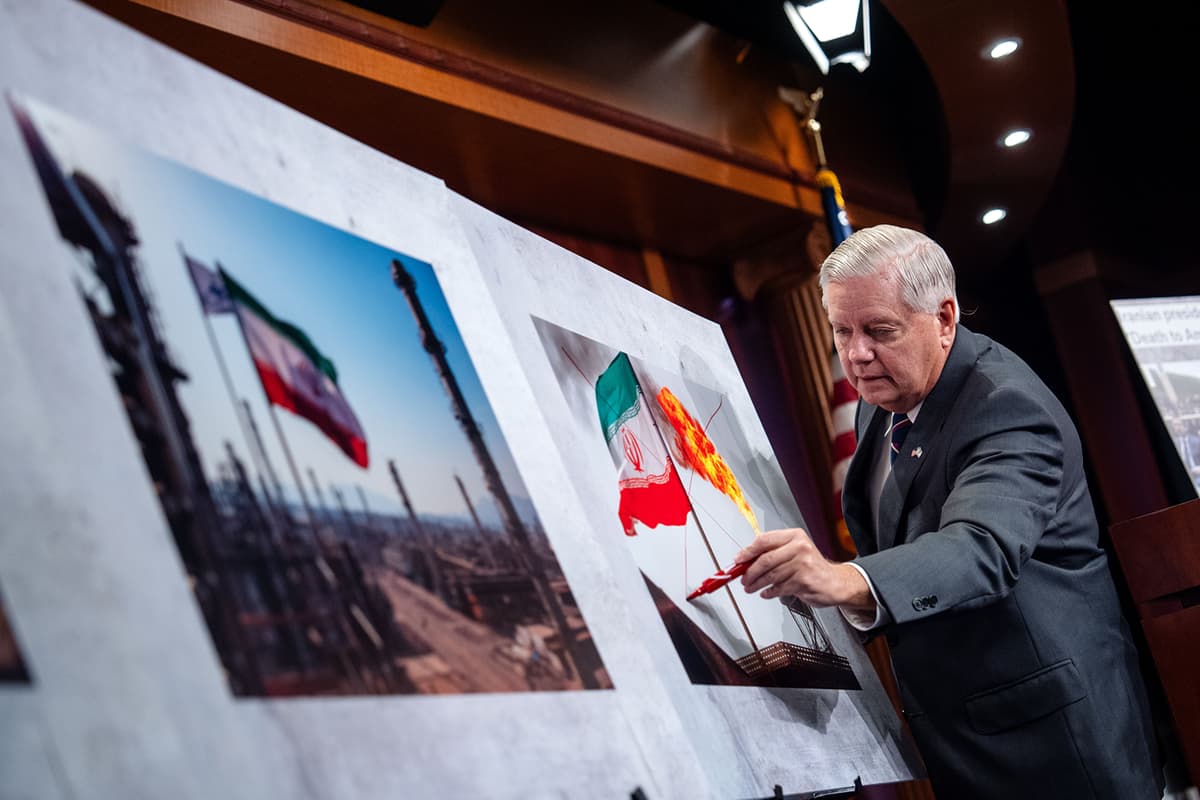
Operation Epic Fury illustrates how the myth translates into staggering fiscal and strategic consequences. Within just two months, the Defense Department reports spending between $25 billion and $50 billion, a figure that does not capture the indirect costs of higher energy prices and broader economic strain on American households. Politicians such as Sen. Lindsey Graham and former VP‑candidate JD Vance have shifted from anti‑war rhetoric to vocal support, framing the conflict as a necessary step to secure Iranian oil and curb Tehran’s influence. Yet the operation offers no clear strategic advantage, and the anticipated swift victory remains elusive, raising questions about the wisdom of allocating billions to an uncertain venture.
The persistence of the perfect‑war narrative threatens future U.S. foreign policy by narrowing the policy window for diplomatic solutions. When leaders and media refuse to label the Iran engagement a "war," congressional oversight is weakened, and the public remains unaware of the true human and financial costs. A more realistic appraisal would prioritize multilateral negotiations, leverage existing agreements like the JCPOA, and invest in conflict‑prevention mechanisms. By confronting the myth head‑on, policymakers can redirect resources toward sustainable security strategies rather than chasing illusory, high‑risk military triumphs.
Washington Is Still Chasing the Perfect War
Comments
Want to join the conversation?
Loading comments...