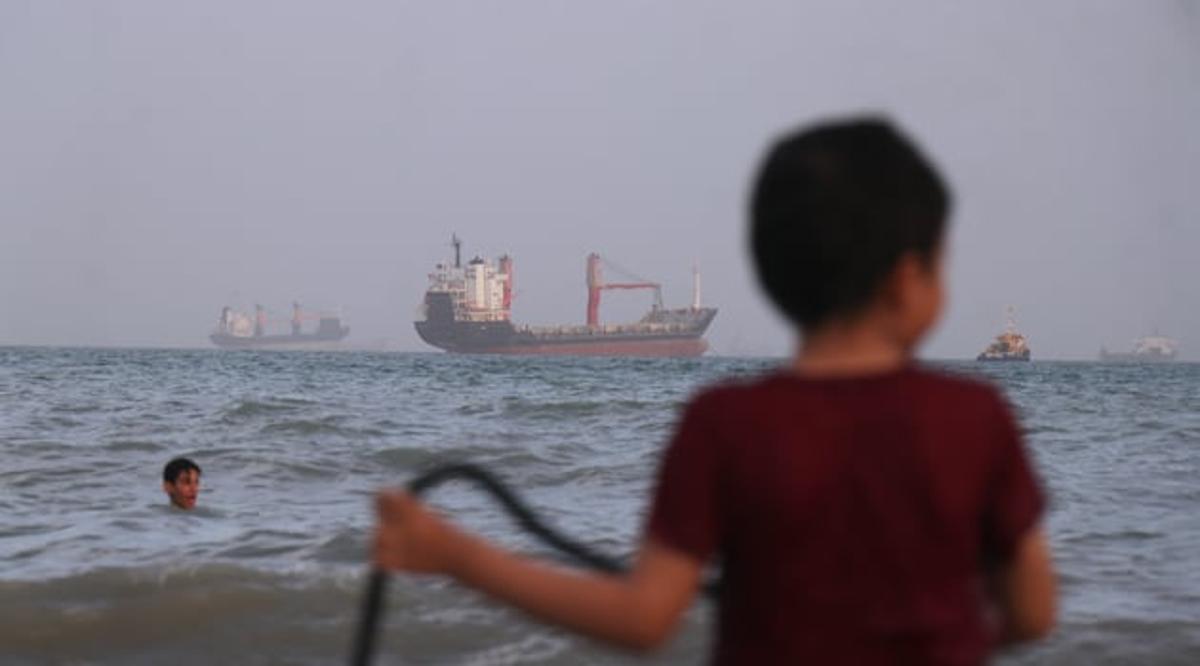
Washington Waits on Iranian Response to Plan as Exchanges Continue in Gulf
Why It Matters
The outcome will determine whether a fragile cease‑fire can transition into broader diplomatic talks on Iran's nuclear program and the reopening of a critical global energy corridor. A breakdown could disrupt oil flows through the Strait of Hormuz, affecting worldwide markets.
Key Takeaways
- •US awaits Tehran's reply to cease‑fire proposal amid renewed Gulf clashes
- •Strait of Hormuz sees biggest flare‑ups since April ceasefire began
- •US forces struck two Iran‑linked vessels; Iran reports damage to US ships
- •UAE intercepted Iranian missiles and drones, causing moderate injuries
- •Negotiations hinge on ending conflict before addressing Iran's nuclear program
Pulse Analysis
The strategic stakes in the Strait of Hormuz have surged as the United States and Iran test the limits of a month‑old cease‑fire. While diplomatic channels suggest a tentative rapprochement, the recent exchange of fire—U.S. jets disabling two Iran‑linked vessels and Iranian forces claiming hits on U.S. destroyers—underscores how quickly the situation can revert to open conflict. For global energy markets, the strait remains a chokepoint through which roughly 20% of world oil and liquefied natural gas transits, making any escalation a potential catalyst for price volatility.
Washington's latest proposal seeks to lock in a formal end to hostilities before tackling the more contentious issues of Iran's nuclear ambitions and the reopening of commercial shipping lanes. By decoupling the cease‑fire from broader security demands, the U.S. hopes to create a confidence‑building step that can survive domestic political pressures and Iran's internal deliberations. Tehran, however, remains cautious, weighing the proposal against its own strategic calculus and the recent surge in missile and drone attacks aimed at the United Arab Emirates, a U.S. ally in the region. The Iranian narrative frames U.S. military actions as breaches of the cease‑fire, complicating any swift acceptance.
The next few days will be pivotal. If Tehran signals a positive response, it could pave the way for a phased diplomatic track that addresses nuclear constraints while restoring safe passage for commercial vessels—an outcome that would stabilize oil markets and reduce the risk of a broader regional war. Conversely, continued skirmishes or a delayed reply could erode trust, prompting the United States to reconsider its limited naval escort mission, known as "Project Freedom," and potentially re‑escalate military posturing. Stakeholders from multinational oil firms to regional governments are closely monitoring the diplomatic dance, aware that even a modest shift in policy could reverberate across global supply chains.
Washington waits on Iranian response to plan as exchanges continue in Gulf
Comments
Want to join the conversation?
Loading comments...