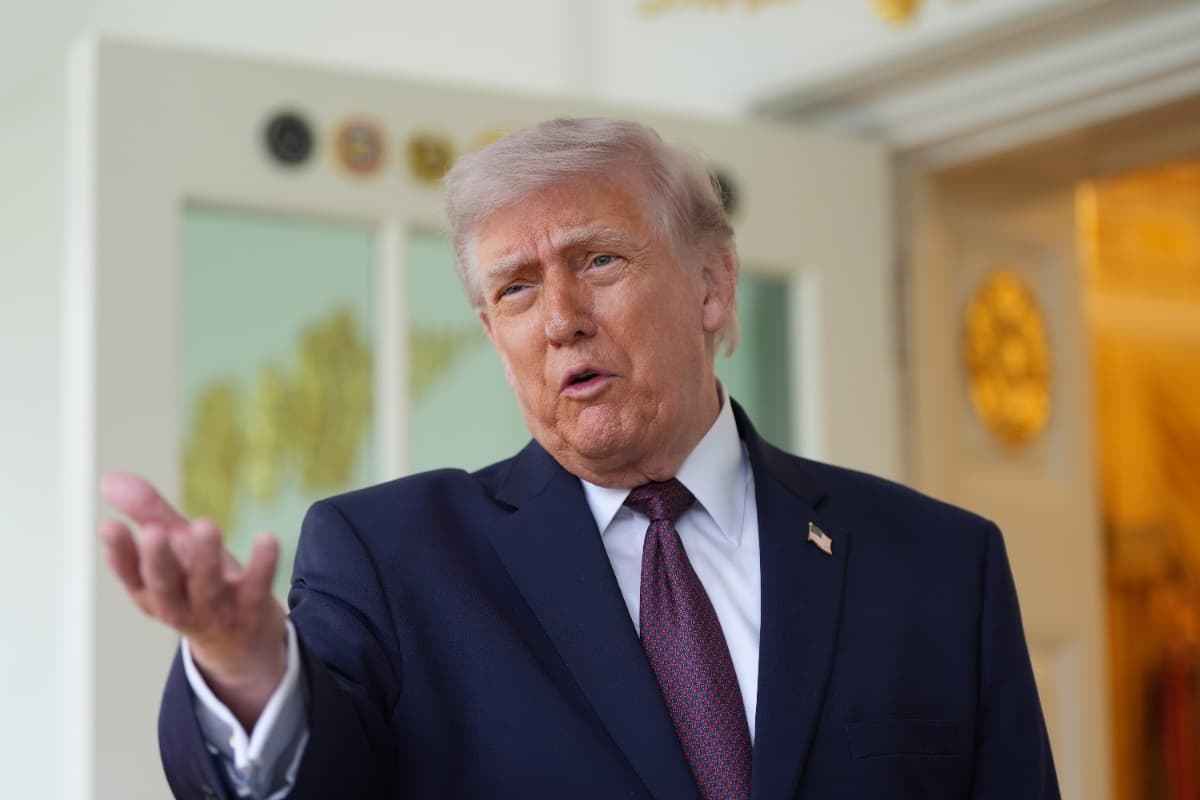
‘Waste of Time’: Trump Cancels Envoys’ Trips to Pakistan for Iran Talks
Why It Matters
The move undermines a fragile cease‑fire and risks escalating energy market volatility, pressuring both policymakers and investors. It also highlights how political calculations can derail multilateral conflict resolution efforts.
Key Takeaways
- •Trump cancels envoy trip to Pakistan, citing wasted time
- •Iran delegation left Islamabad amid infighting, halting talks
- •Strait of Hormuz blockage threatens global fuel and fertilizer supplies
- •JD Vance excluded from delegation, left on standby
- •Energy experts warn oil surge may accelerate renewable investment
Pulse Analysis
The United States’ decision to pull its envoys from Pakistan marks a sharp reversal in a diplomatic corridor that had briefly opened after Tehran’s delegation arrived in Islamabad. President Trump’s public justification—"too much time wasted"—underscores a growing impatience with the protracted, Pakistan‑mediated negotiations that were already faltering due to internal Iranian discord. By sidelining Vice‑President JD Vance, the administration signals that a breakthrough is not anticipated, leaving the cease‑fire between Iran, the U.S., and Israel in a precarious holding pattern.
Beyond the political fallout, the near‑closure of the Strait of Hormuz carries immediate economic repercussions. The narrow waterway channels roughly 20% of global oil shipments; any disruption can push Brent crude above $100 per barrel and trigger spikes in natural‑gas and fertilizer prices. Such price shocks ripple through manufacturing, agriculture, and transportation sectors, inflating input costs for U.S. businesses and consumers alike. Market participants are closely watching whether alternative routes or strategic reserves can mitigate the supply shock while policymakers weigh the cost of further escalation.
Energy analysts, including IEA chief Fatih Birol, argue that the current oil price surge could accelerate a longer‑term shift toward renewables. Elevated fossil‑fuel costs erode public confidence in traditional energy sources and make green investments comparatively more attractive. In this context, the diplomatic dead‑end may inadvertently boost funding for solar, wind, and hydrogen projects, reshaping the U.S. energy landscape. Investors and corporate strategists should therefore monitor both geopolitical developments and the evolving policy environment as they recalibrate risk models and capital allocation decisions.
‘Waste of time’: Trump cancels envoys’ trips to Pakistan for Iran talks
Comments
Want to join the conversation?
Loading comments...