‘We Wasted a Lot of Lives’: CIA Spymaster’s Caution over Past Iran Intervention Resurfaces From Beyond the Grave
Why It Matters
Sichel’s candid assessment forces a re‑examination of past CIA interventions that continue to shape U.S.–Iran relations and broader foreign‑policy debates about regime‑change tactics. It underscores the need for strategic foresight and accountability in intelligence‑driven operations.
Key Takeaways
- •CIA spymaster Peter Sichel criticizes 1953 Iran coup in documentary
- •Sichel says removing Mossadegh caused Iran’s later theocratic regime
- •Film “The Last Spy” exposes CIA’s costly covert operations worldwide
- •After retiring, Sichel turned family wine business into Blue Nun success
- •2023 CIA admission labeled its Iran intervention undemocratic
Pulse Analysis
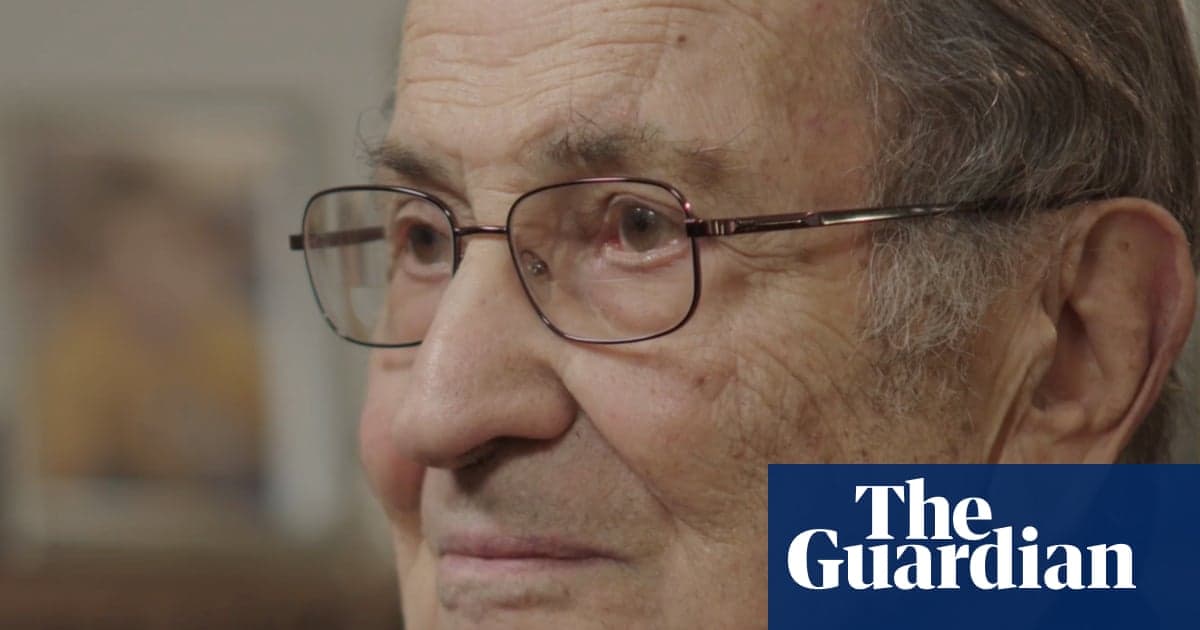
Peter Sichel, a German‑born refugee who became the CIA’s first Berlin station chief, spent his later years reflecting on the agency’s most controversial covert actions. "The Last Spy," directed by Katharina Otto‑Bernstein, weaves his personal memoir with archival footage, revealing how his early warnings about Soviet expansion gave way to disillusionment as the CIA embraced regime‑change missions. Sichel’s testimony that the 1953 overthrow of Prime Minister Mohammad Mossadegh sowed the seeds for Iran’s later theocratic regime adds a human voice to the agency’s 2023 admission that the operation was undemocratic.
The 1953 coup, orchestrated by the CIA and Britain’s MI6 to protect oil interests, removed a popular socialist leader and installed Shah Mohammad Reza Pahlavi, whose autocratic rule ignited the 1979 revolution that birthed the Islamic Republic. Sichel’s critique aligns with a growing scholarly consensus that short‑term geopolitical gains often generate long‑term instability. By linking Mossadegh’s ouster to the rise of the mullahs, the documentary illustrates how covert interventions can produce unintended blowback, a lesson that resonates amid today’s heightened tensions over Iran’s nuclear program and regional influence.
Sichel’s story also serves as a cautionary tale for contemporary intelligence agencies. His warning that “people in high places have an idea of what the picture should be, and if the intelligence doesn’t fit, they don’t believe it” highlights the perils of politicized analysis. As policymakers grapple with the legacy of past coups in Guatemala, Congo and Indonesia, the film urges a more nuanced, long‑term approach to foreign intervention—one that balances strategic objectives with ethical considerations and the potential for unforeseen consequences.
‘We wasted a lot of lives’: CIA spymaster’s caution over past Iran intervention resurfaces from beyond the grave
Comments
Want to join the conversation?
Loading comments...