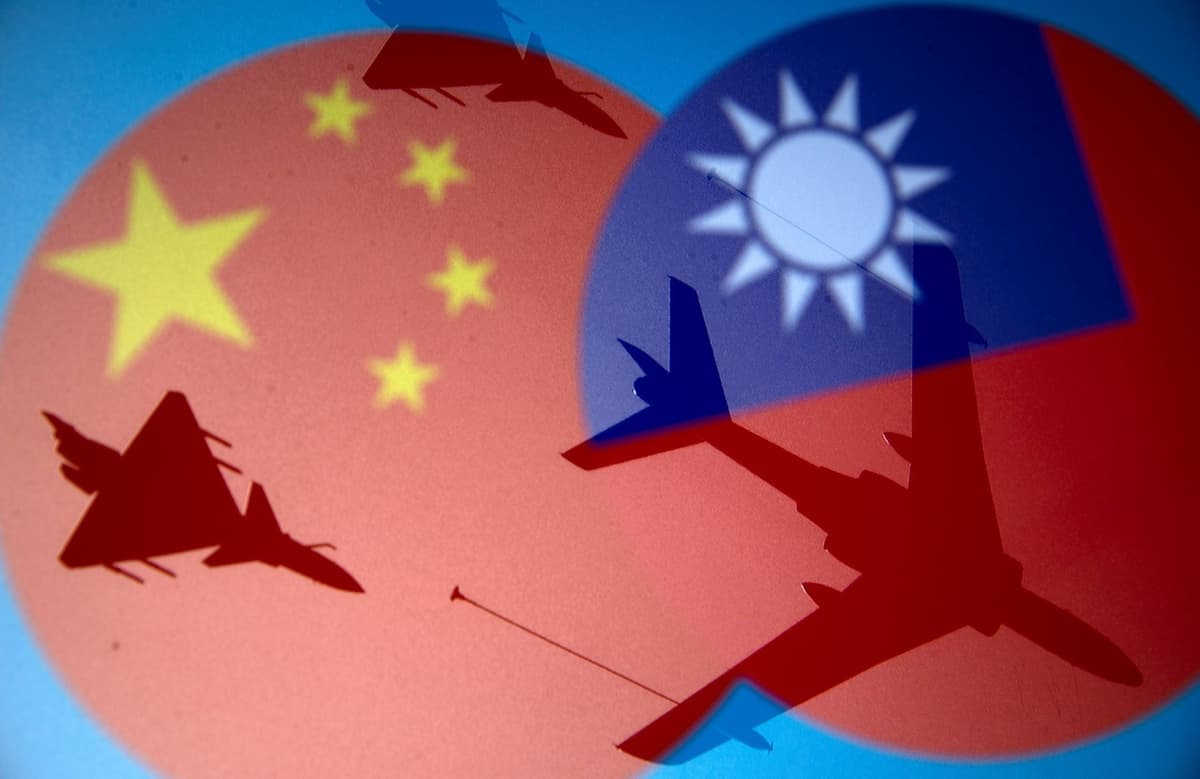
“We Will Not Bow Our Head”: Taiwan Slams China’s Overflight Blockade as It Arms Up With Anti-Ship Missiles
Why It Matters
The missile surge strengthens Taiwan’s asymmetric deterrence, raising the stakes for any Chinese invasion and signaling U.S. support amid escalating geopolitical pressure.
Key Takeaways
- •Taiwan aims to produce >1,000 Hsiung Feng missiles by Dec 2026.
- •Projected total of 1,400 anti-ship missiles will boost Taiwan's A2/AD.
- •China’s overflight bans target Taiwan’s diplomatic trips to African allies.
- •US Harpoon coastal system adds 400 land‑based missiles to Taiwan’s arsenal.
Pulse Analysis
Taiwan’s recent diplomatic friction with China over African overflight permits underscores a broader strategic contest in the Indo‑Pacific. By revoking flight rights to Eswatini, a key ally, Beijing aims to isolate Taipei and pressure its remaining partners. The United States’ swift condemnation frames the episode as part of a larger intimidation campaign, reinforcing Washington’s commitment to Taiwan’s international space while warning Beijing against further coercion.
At the heart of Taiwan’s response is the so‑called "porcupine" strategy, an asymmetric defense model that relies on high‑density, short‑range anti‑ship missiles to deter a PLA amphibious assault. The island plans to complete mass production of more than 1,000 Hsiung Feng II and III missiles by the end of 2026, supplementing them with 400 U.S. Harpoon Block II coastal defense launchers. This will push the total missile count past 1,400, creating a missile‑per‑kilometer ratio that outstrips China’s longer coastline and forces any invading fleet to contend with a lethal, layered barrage.
The implications extend beyond Taiwan’s shores. A robust A2/AD bubble reshapes cross‑strait risk calculations, potentially deterring not only full‑scale invasions but also blockades and coercive actions like the overflight bans. For regional allies and U.S. policymakers, Taiwan’s missile buildup signals a shift toward self‑reliant deterrence, compelling Beijing to factor higher costs into its strategic calculus. As the missile inventory matures, the balance of power in the Taiwan Strait will increasingly hinge on the effectiveness of these dense, mobile strike systems, making the island a more formidable obstacle to any PLA maritime operation.
“We Will Not Bow Our Head”: Taiwan Slams China’s Overflight Blockade as It Arms Up With Anti-Ship Missiles
Comments
Want to join the conversation?
Loading comments...