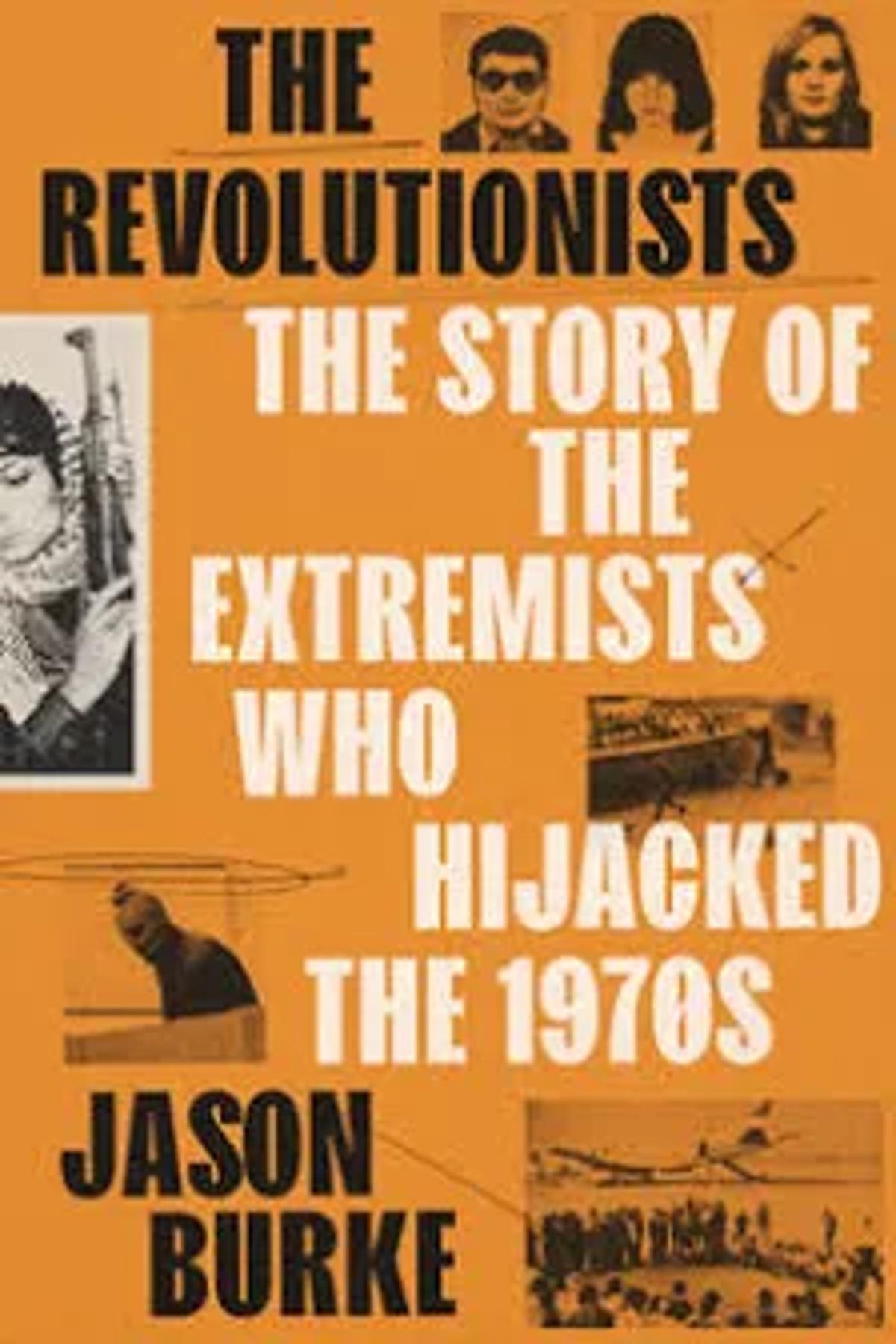
WEBINAR (2/24/26): The Revolutionists: The Story of the Extremists Who Hijacked the 1970s
•February 16, 2026
0
Why It Matters
Understanding the 1970s terror wave illuminates the origins of today’s extremist threats, helping security strategists craft more informed policies. The webinar provides direct access to cutting‑edge historical analysis for decision‑makers.
Key Takeaways
- •1970s terrorism reshaped global security policies
- •Burke’s book draws on 12-language sources
- •Webinar features Guardian correspondent and security expert
- •Shift from leftist to religious extremist tactics highlighted
- •New America hosts discussion for policymakers
Pulse Analysis
The 1970s marked a turning point in international terrorism, as loosely coordinated guerrilla movements evolved into sophisticated networks capable of hijacking aircraft and staging high‑profile hostage situations. These attacks forced Western governments to overhaul aviation security, intelligence sharing, and crisis response protocols—foundations that still underpin contemporary counter‑terrorism frameworks. By revisiting this era, analysts can trace how early tactical innovations set precedents for later extremist strategies.
Jason Burke’s *The Revolutionists* stands out for its exhaustive research methodology. Leveraging declassified government documents, secret archives, and original interviews conducted in twelve languages, Burke reconstructs the personal motivations and operational logics of the era’s most notorious actors. The narrative highlights a pivotal ideological transition: the decline of secular, left‑leaning revolutionary groups and the rise of conservative religious militancy that would dominate the 1980s and beyond. This shift underscores how extremist movements adapt to geopolitical currents, a pattern echoed in today’s jihadist and far‑right networks.
The upcoming New America webinar offers a rare forum where scholars, journalists, and policymakers can dissect these historical lessons in real time. Moderator Peter Bergen, a leading voice on future security, will steer the conversation toward actionable insights for modern threat assessment and policy formulation. For professionals seeking to anticipate the next wave of extremist tactics, the event provides both scholarly depth and practical relevance, reinforcing New America’s role as a bridge between academic research and strategic decision‑making.
WEBINAR (2/24/26): The Revolutionists: The Story of the Extremists Who Hijacked the 1970s
0
Comments
Want to join the conversation?
Loading comments...