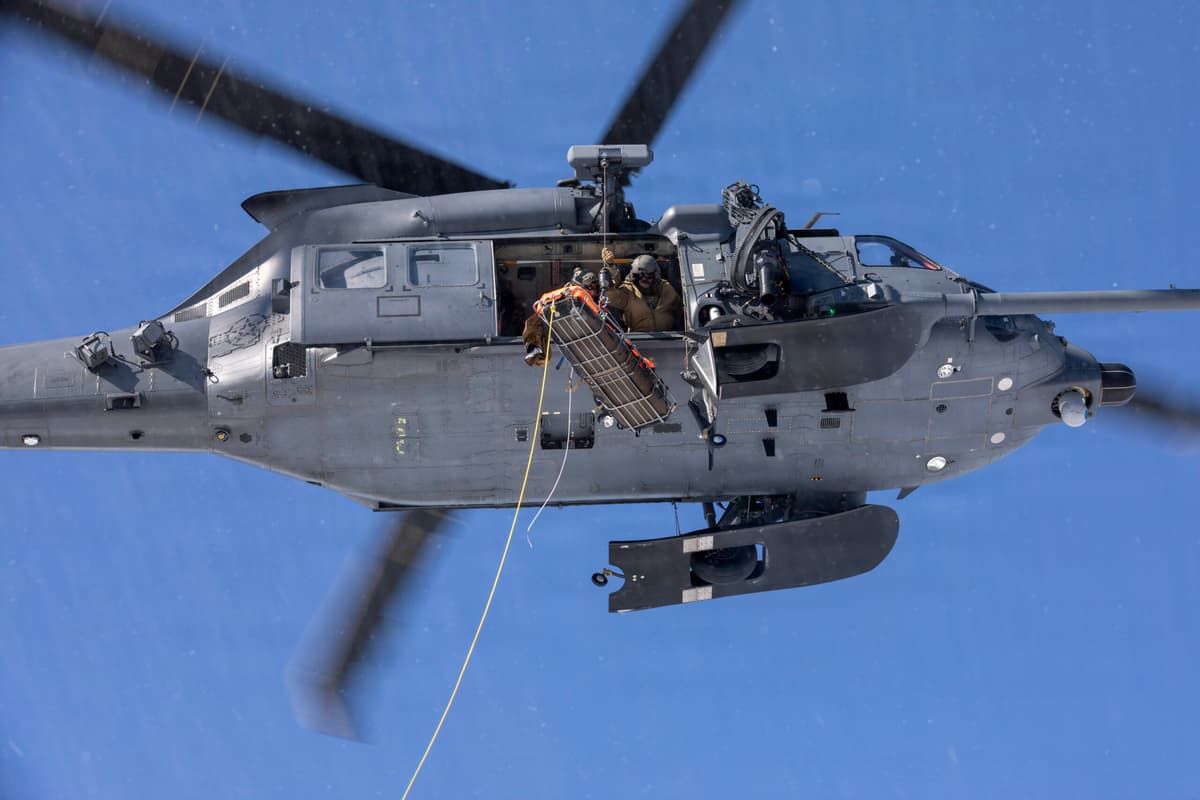
We’ll Bring You Home: USAF’s Unwritten Contract with Every Combat Pilot
Why It Matters
The high‑cost, high‑risk rescue underscores CSAR’s strategic importance and pressures policymakers to modernize rescue assets amid evolving threats.
Key Takeaways
- •DUDE 44 rescue cost about $300 million in aircraft losses
- •Joint force used 21 aircraft, including A‑10s and HH‑60Ws
- •Rescues rely on legacy CSAR crews and new biometric tech
- •Congress limited HH‑60W buy to 89, sparking capability concerns
- •Social media now a tactical factor in hostile rescue zones
Pulse Analysis
Combat search‑and‑rescue (CSAR) remains a cornerstone of U.S. Air Force doctrine, embodying the promise that no pilot is abandoned. The April 2026 F‑15E shoot‑down over Iran tested that promise, mobilizing a joint task force that blended Air Force, Army and Special Operations assets. By leveraging A‑10 strike aircraft, HC‑130 airlifters, HH‑60W "Jolly Green II" helicopters and real‑time intelligence, the team located and extracted the downed crew, but not without paying a steep price—two HC‑130s, two MH‑6s and a damaged A‑10, collectively valued at roughly $300 million. This operation illustrates how modern CSAR missions fuse traditional bravery with cutting‑edge technology, such as remote biometric monitoring that confirmed the WSO’s vital signs from miles away.
The high material cost and operational complexity have reignited congressional scrutiny of the Air Force’s rescue fleet. While the service originally planned to acquire 113 HH‑60W helicopters, the 2023 budget cut to 85 and a later modest increase to 89 aircraft sparked debate over the balance between manned and unmanned rescue platforms. Decision‑makers now weigh the risk of losing expensive assets against the strategic necessity of rapid personnel recovery, especially as potential adversaries like China field sophisticated air‑defense networks that could further endanger rescue crews. The DUDE 44 mission demonstrates that even a single downed aviator can trigger a multi‑service, multi‑agency response, reinforcing the argument for diversified, resilient CSAR capabilities.
Looking ahead, the Air Force must adapt CSAR to a digital battlefield where social media can both aid and jeopardize operations. Iranian state outlets used open‑source platforms to broadcast wreckage images and bounty offers, turning information into a weapon. Future doctrine will likely incorporate automated data‑fusion tools, unmanned rescue drones that can retrieve personnel without exposing crew, and hardened communications to counter hostile propaganda. As every second counts for an ejected airman, investing in versatile, technology‑enabled rescue assets will be essential to preserve both lives and strategic freedom of action in contested environments.
We’ll Bring You Home: USAF’s Unwritten Contract with Every Combat Pilot
Comments
Want to join the conversation?
Loading comments...