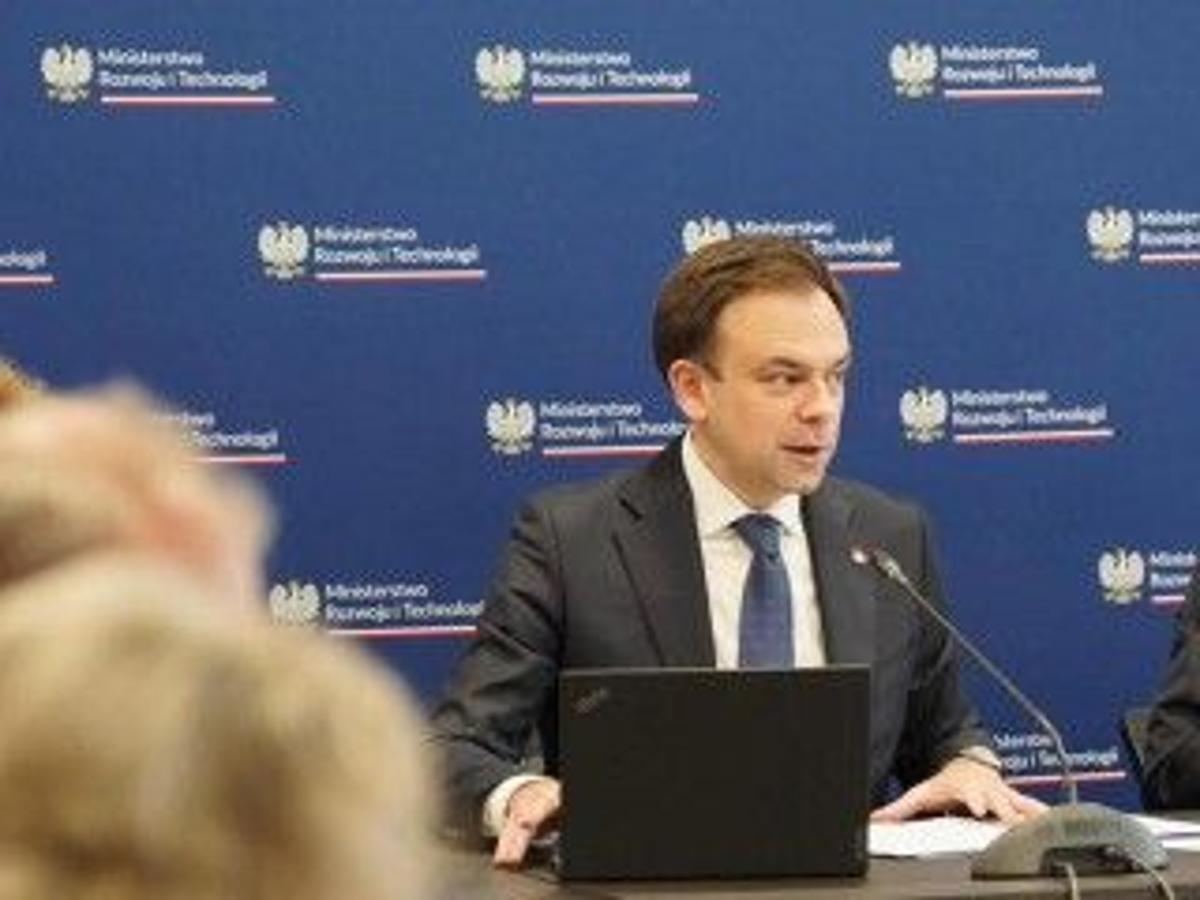
What About Defence Funding? Poland Seeks Partnership with the Baltic States
Why It Matters
With a sizable fiscal gap, Poland’s search for collaborative funding could reshape defence procurement costs across Central and Eastern Europe and strengthen a regional security bloc.
Key Takeaways
- •Poland seeks joint EU defence funding with Baltic states
- •Ministers agreed to pursue external loans beyond EU assistance
- •Poland eyes Multilateral Defence Mechanism to reduce financing costs
- •Regional coalition aims to cut defence procurement expenses
- •7.3% GDP deficit pushes Warsaw toward alternative funding sources
Pulse Analysis
Poland’s defence spending has become a fiscal tightrope, as a 7.3% budget deficit forces the government to look beyond traditional appropriations. The country’s strategic location on NATO’s eastern flank makes sustained armament investment non‑negotiable, yet domestic coffers are strained. By aligning with Lithuania, Latvia and Estonia, Warsaw hopes to amplify its voice within the EU, securing earmarked funds for defence‑industry projects that would otherwise compete with broader budgetary priorities. This regional partnership also signals a shift toward collective financing models in a landscape traditionally dominated by national budgets.
The joint‑loan proposal discussed in Vilnius targets external lenders willing to offer capital at rates lower than Poland could secure alone. Pooling credit risk among the Baltic states not only improves loan terms but also creates a shared pool of resources for cross‑border procurement, fostering interoperability among their armed forces. Moreover, a coordinated EU lobbying effort could unlock additional grants or subsidies, further easing the fiscal burden. For investors, the arrangement presents a diversified exposure to the defence sector, while for the participating governments it offers a pragmatic path to modernise fleets without inflating sovereign debt.
Beyond regional loans, Poland’s interest in the Multilateral Defence Mechanism (MDM) adds another layer of financial innovation. Led by the United Kingdom, the Netherlands and Finland, the MDM issues debt instruments backed by member‑state guarantees, channeling proceeds into joint procurement contracts. This structure promises economies of scale, reduced unit costs, and streamlined supply chains across participating nations. If Poland joins, it could tap into a broader market of defence suppliers, accelerate delivery timelines, and further dilute financing costs. The convergence of Baltic cooperation and the MDM illustrates a broader European trend: leveraging collective financial tools to sustain robust defence capabilities amid fiscal constraints.
What about defence funding? Poland seeks partnership with the Baltic states
Comments
Want to join the conversation?
Loading comments...