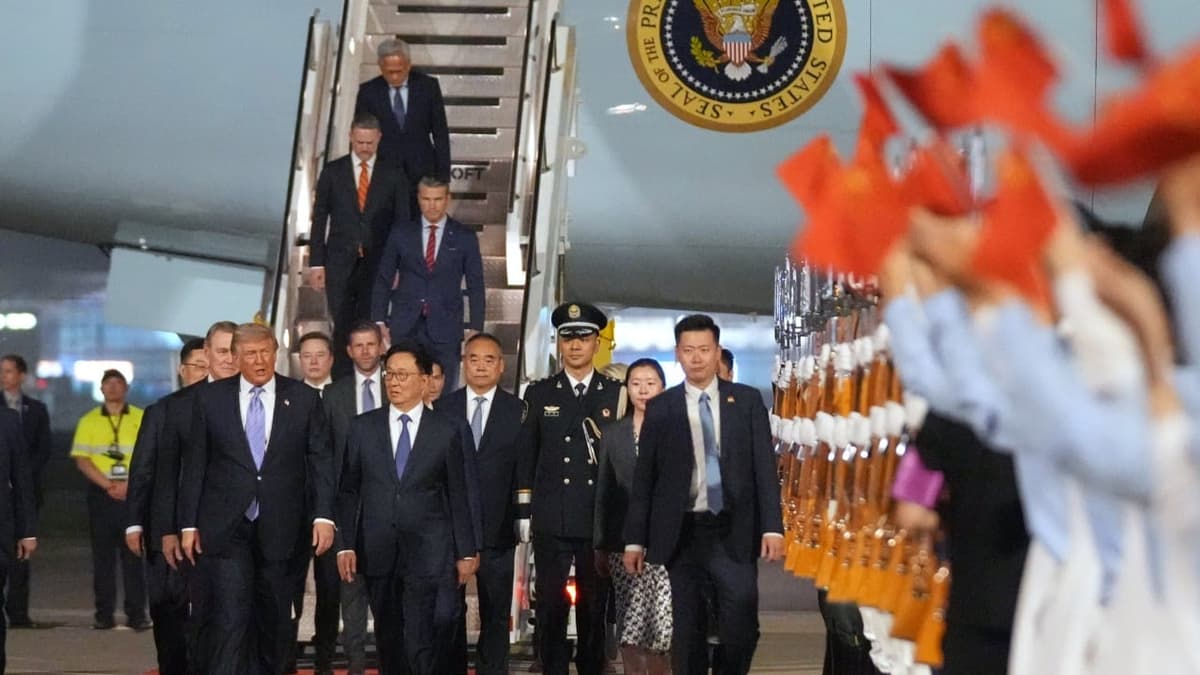
What Does Pentagon Chief Hegseth’s Presence in China Say About Trump’s Military Agenda?
Companies Mentioned
Why It Matters
The meeting could shape the trajectory of U.S.–China security relations and influence Taiwan’s defense posture, making it a pivotal moment for regional stability.
Key Takeaways
- •Hegseth joins Trump’s Beijing delegation, rare defense presence.
- •Talks likely to include Taiwan arms sales and nuclear risk.
- •Both sides signal intent to improve military-to-military communication.
- •Analysts view visit as de‑escalation effort amid rising tensions.
- •U.S. seeks to balance China engagement with Taiwan support.
Pulse Analysis
The 2026 Xi‑Trump summit in Beijing arrives at a crossroads for U.S. foreign policy, as President Donald Trump seeks to reshape America’s great‑power strategy. By bringing Defense Secretary Pete Hegseth into the core delegation, the White House signals a departure from the usual diplomatic‑only approach, injecting direct defense expertise into the talks. Historically, senior Pentagon officials have been sparingly present at high‑level China visits, so Hegseth’s participation underscores the administration’s intent to address security questions head‑on rather than relegating them to back‑channel diplomacy.
Among the agenda items, Taiwan’s defense procurement stands out as a flashpoint. Washington’s willingness to discuss further arms sales—potentially including advanced missile systems—directly challenges Beijing’s ‘One China’ narrative and could alter the island’s deterrence calculus. Simultaneously, both sides have expressed a desire to establish clearer military‑to‑military communication lines, a move aimed at preventing accidental escalation, especially in the nuclear domain. Experts argue that transparent channels, such as hotlines and joint risk‑reduction workshops, are essential to manage the heightened stakes of a near‑peer rivalry.
The outcome of these talks will reverberate beyond geopolitics, influencing defense contractors, technology supply chains, and regional investors. A confirmed arms package for Taiwan could boost U.S. defense earnings while prompting Chinese counter‑measures in semiconductor and aerospace sectors. Conversely, successful communication protocols may lower the probability of a miscalculated conflict, stabilizing markets that are sensitive to security shocks. Stakeholders should monitor post‑summit statements for clues on policy direction, as they will shape risk assessments for the next fiscal year.
What does Pentagon chief Hegseth’s presence in China say about Trump’s military agenda?
Comments
Want to join the conversation?
Loading comments...