What Is the US Telling Pacific Allies by Moving Missiles to Use in the Iran War?
Why It Matters
The reallocation could weaken U.S. deterrence posture in the Indo‑Pacific, prompting allies to seek alternative capabilities. It also reinforces Beijing’s narrative of American overextension, potentially reshaping regional power dynamics.
Key Takeaways
- •US redeploys most JASSM‑ER missiles from Pacific to Middle East.
- •Move suggests limited missile stockpiles amid Iran conflict.
- •Signals shifting US focus away from Indo‑Pacific deterrence.
- •Could embolden China, confirming its industrial‑scale advantage view.
- •Allies may reassess regional security commitments and procurement plans.
Pulse Analysis
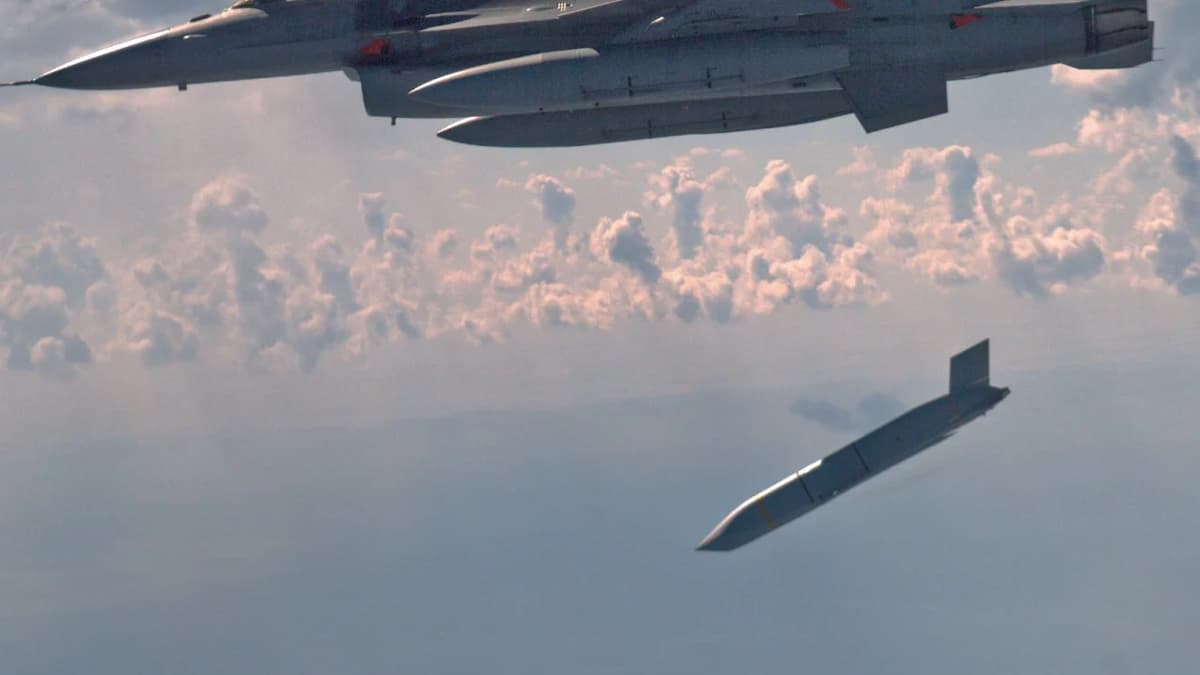
The United States’ decision to shift the bulk of its JASSM‑ER cruise missile inventory from Pacific outposts to the Middle East reflects a pressing operational need in the escalating conflict with Iran. JASSM‑ER, valued for its precision and range, has become a scarce asset as production rates struggle to keep pace with heightened demand. By reallocating these weapons, Washington signals that the immediate war‑fighting requirements in the Persian Gulf outweigh longer‑term deterrence calculations in East Asia, raising questions about the resilience of its global strike portfolio.
For Indo‑Pacific partners, the missile migration introduces a palpable gap in the United States’ extended‑range strike capability, a cornerstone of regional security architecture. Allies such as Japan, South Korea, and Australia may now confront a recalibrated deterrence posture, prompting accelerated procurement of indigenous or third‑party systems to fill the void. Simultaneously, Beijing interprets the move as validation of its assessment that the U.S. industrial base cannot sustain simultaneous high‑intensity operations across multiple theaters, bolstering Chinese confidence in its own rapid‑scale production and force‑projection plans.
Strategically, the redeployment forces policymakers to weigh the trade‑off between immediate conflict support and sustained alliance assurance. Options include expanding missile production lines, diversifying the stockpile across platforms, or deepening burden‑sharing with regional partners. The episode also underscores the importance of supply‑chain resilience in modern warfare, where a single asset class can become a lever of geopolitical influence. As the United States navigates these competing imperatives, the balance of power in both the Middle East and the Indo‑Pacific will hinge on how quickly it can restore a credible, multi‑theater missile posture.
What is the US telling Pacific allies by moving missiles to use in the Iran war?
Comments
Want to join the conversation?
Loading comments...