What Opportunities Remain for European Airborne Early Warning Requirements?
Companies Mentioned
Why It Matters
Replacing AWACS is critical for NATO’s collective situational awareness, and European‑built systems could keep defense spending and technology within the bloc, strengthening strategic autonomy.
Key Takeaways
- •NATO seeks AWACS replacement after E‑7 Wedgetail withdrawal
- •Saab offers GlobalEye; Airbus proposes C295‑based AEW variant
- •European nations prefer domestic platforms over US‑made systems
- •Funding gaps may push full deployment into late 2020s
- •Potential market exceeds €5 billion (~$5.5 billion)
Pulse Analysis
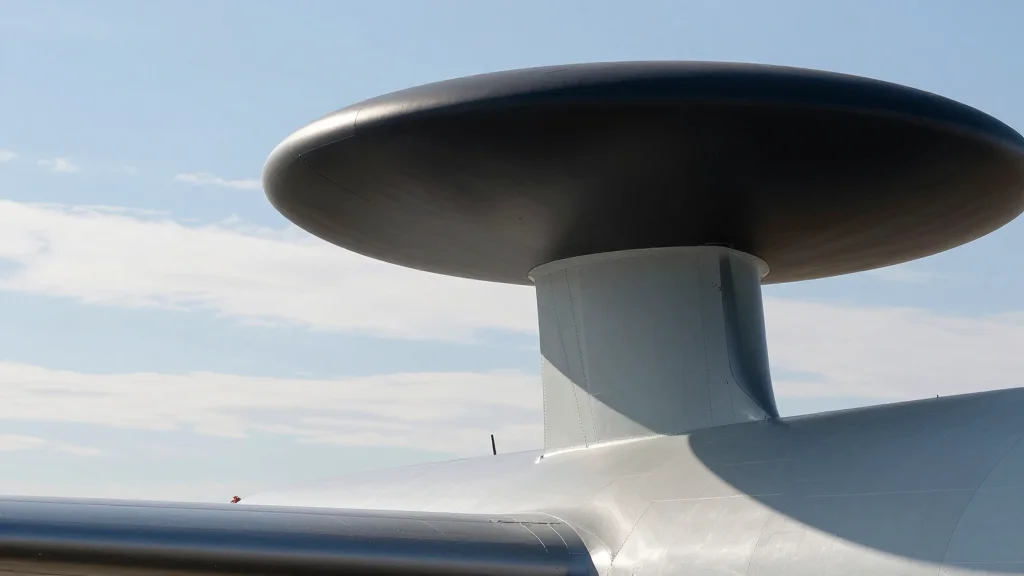
The imminent need to replace the E‑3A Sentry fleet has revived interest in airborne early‑warning and control (AEW&C) capabilities across Europe. NATO’s decision to pause the E‑7 Wedgetail purchase left a capability gap that is now being filled by indigenous contenders. Saab’s GlobalEye, built on the Bombardier Global 6000 business jet, offers a 30‑meter radar array and long‑range detection, positioning it as a direct competitor to legacy AWACS. Meanwhile, Airbus is adapting its proven C295 transport aircraft with a modular radar suite, promising a lower‑cost, quicker‑to‑field solution for smaller air forces.
European defense ministers are increasingly favoring home‑grown platforms to preserve sovereign technology and reduce reliance on U.S. systems. The shift aligns with broader EU initiatives aimed at bolstering the continent’s defence industrial base and achieving greater strategic autonomy. Both Saab and Airbus are leveraging existing production lines and supply chains, which could accelerate procurement timelines and lower lifecycle costs. However, budgetary constraints and divergent national requirements pose challenges, potentially fragmenting the market and delaying a unified NATO solution.
If a consensus emerges, the AEW&C market could exceed €5 billion (approximately $5.5 billion) over the next decade, encompassing new builds, upgrades, and support services. Export potential is significant, with partner nations in the Middle East and Asia showing interest in European AEW platforms. The outcome will shape not only NATO’s air‑battle command and control architecture but also the future competitiveness of Europe’s aerospace sector in a rapidly evolving security environment.
What opportunities remain for European airborne early warning requirements?
Comments
Want to join the conversation?
Loading comments...