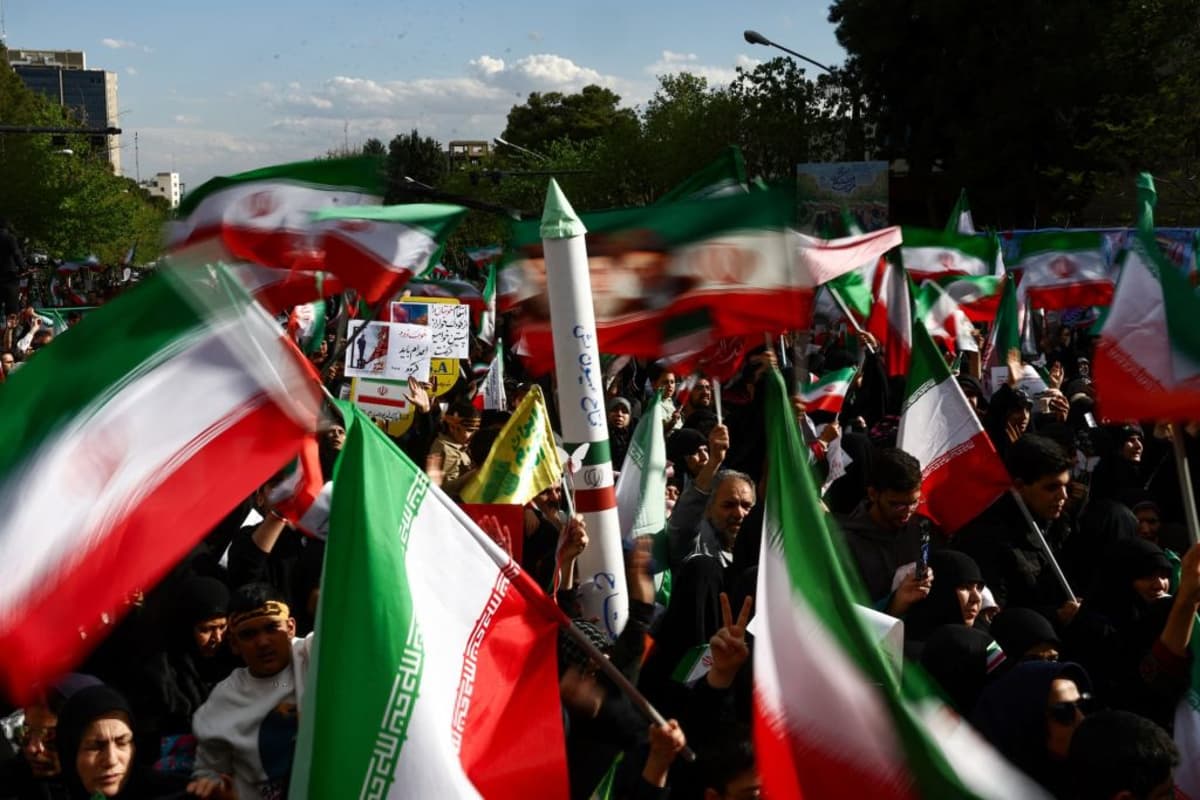
What People in Iran Are Saying About the War and Their Government
Companies Mentioned
Why It Matters
Understanding Iranian public sentiment reveals domestic constraints on the regime and informs U.S. and allied strategies for post‑conflict engagement. It also signals potential internal instability that could reshape regional security dynamics.
Key Takeaways
- •Internet shutdown in Iran lasts 41 days, limiting information flow
- •At least 1,700 civilian deaths reported by Human Rights Activists in Iran
- •1,500 arrests and 10 executions linked to anti‑regime protests
- •Iranians fear harsher crackdown even after cease‑fire
- •U.S. officials' threatening rhetoric alienates Iranian public
Pulse Analysis
The recent U.S.–Iran cease‑fire comes after weeks of intense combat that left at least 1,700 civilians dead, according to Iranian human‑rights monitors. A state‑imposed internet blackout, now in its 41st day, has choked the flow of reliable information, forcing analysts to rely on anecdotal reports from expatriates and limited on‑the‑ground contacts. This information vacuum amplifies uncertainty among Iranians, who are grappling with shortages of food, water and electricity while fearing further military escalation. The human cost and communication blackout underscore how quickly a regional conflict can translate into a domestic humanitarian crisis.
Beyond the immediate casualties, the Iranian regime appears poised to tighten its authoritarian grip. Reports indicate roughly 1,500 arrests and ten executions tied to the January anti‑government protests, suggesting a punitive backlash once hostilities subside. Such repression could deter dissent but also risk inflaming popular anger, especially among those who initially supported external pressure to oust the Islamic Republic. U.S. policymakers, including Vice President J.D. Vance, are now navigating talks with regional partners like Pakistan, balancing the desire to degrade Iran’s military capabilities against the danger of empowering a more hard‑line, emboldened government.
The war’s ripple effects extend to broader geopolitical perceptions. Historically, many Iranians have distinguished between the American people and U.S. foreign policy, maintaining relatively pro‑American attitudes compared with other Middle Eastern societies. However, President Biden’s stark statements about potential civilian devastation have alienated segments of the population, eroding that goodwill. Simultaneously, Israeli strikes in Lebanon and the ongoing tension in the Strait of Hormuz have complicated regional alignments. As the cease‑fire holds, analysts will watch whether Iranian public opinion shifts toward greater anti‑U.S. sentiment or remains fragmented, a factor that will shape future diplomatic outreach and stability in the Middle East.
What people in Iran are saying about the war and their government
Comments
Want to join the conversation?
Loading comments...