Why It Matters
The withdrawal removed a key diplomatic tool that had constrained Iran’s nuclear progress, raising the likelihood of regional conflict and undermining global non‑proliferation norms. A future agreement will shape U.S. credibility and influence energy markets worldwide.
Key Takeaways
- •Trump exited the 2015 JCPOA, reinstating sanctions.
- •Iran responded by expanding uranium enrichment activities.
- •Critics argue withdrawal increased war risk and regional tension.
- •Obama’s deal lifted $1.7 billion in sanctions relief.
- •New talks may produce terms similar to original agreement.
Pulse Analysis
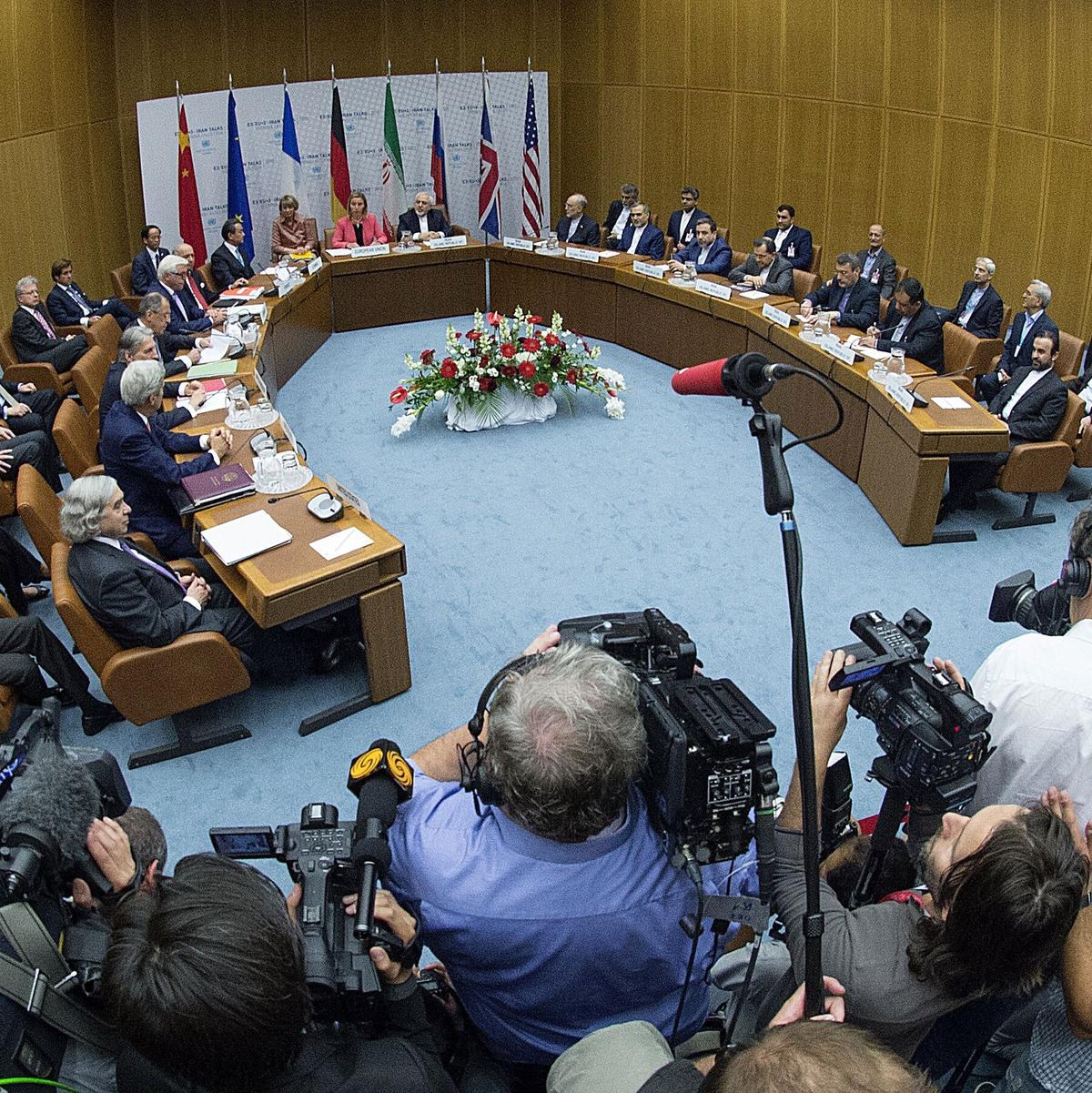
The Joint Comprehensive Plan of Action, signed in 2015, was the product of multilateral diplomacy involving the United States, European powers, Russia and China. In exchange for lifting roughly $1.7 billion in sanctions, Iran committed to limit uranium enrichment to 3.67 percent, reduce its stockpile of enriched fuel, and submit to rigorous International Atomic Energy Agency inspections. The agreement aimed to extend the “breakout” time for a nuclear weapon to at least one year, giving the international community a diplomatic buffer while preserving Iran’s civilian nuclear program for energy and medical research.
When President Trump announced the United States’ unilateral exit in May 2018, the administration re‑imposed comprehensive sanctions on Tehran’s oil exports, banking sector and missile programs. Deprived of economic relief, Iran accelerated its enrichment levels, eventually surpassing the 20‑percent threshold that signals a shorter breakout timeline. Regional actors, notably Israel and Saudi Arabia, interpreted the withdrawal as a destabilizing move, heightening the probability of a kinetic confrontation. Analysts contend that the loss of the JCPOA removed a key diplomatic lever, making escalation more likely and complicating non‑proliferation efforts.
Renewed negotiations under the current administration face a delicate balance between extracting stricter verification measures and offering sufficient economic incentives to bring Iran back into compliance. While some policymakers argue that a revised deal could mirror Obama’s original terms with added safeguards, others warn that any concession may be politically costly domestically. The outcome will influence global oil markets, U.S. strategic credibility, and the broader non‑proliferation regime. Investors and security planners alike are watching for signals that the United States can re‑establish a credible, enforceable framework before the region spirals toward open conflict.
What Was the 2015 Iran Nuclear Deal?
Comments
Want to join the conversation?
Loading comments...