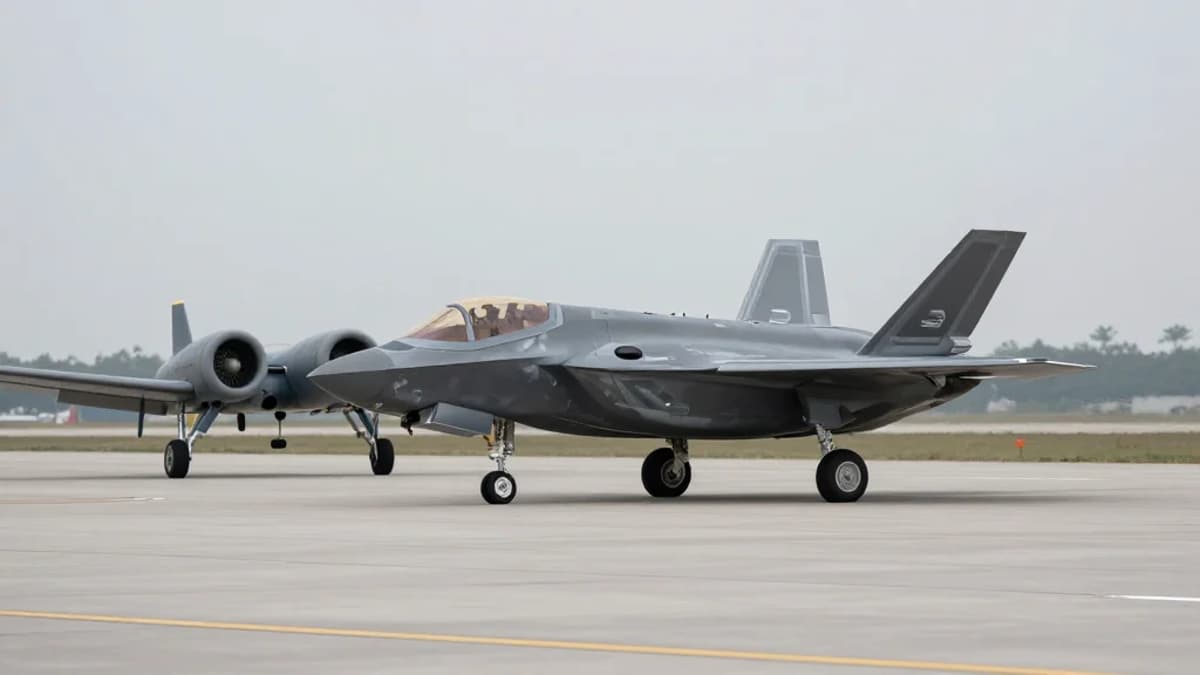
What Will the Replacement of A-10s by F-35s Mean for the US Air Force?
•March 9, 2026
0
Why It Matters
Replacing the A‑10 with the F‑35A modernizes the USAF’s strike portfolio, enhancing precision and survivability while reshaping close‑air support doctrine.
Key Takeaways
- •A‑10 fleet retirement by FY 2026
- •162 A‑10s to be replaced with F‑35As
- •F‑35A offers stealth, sensors, survivability
- •Shift moves USAF toward fifth‑gen multirole capability
- •Ground‑attack role may change with new platform
Pulse Analysis
The A‑10 Thunderbolt II has been the USAF’s dedicated close‑air support platform since 1977, prized for its rugged airframe, 30 mm GAU‑8 cannon and ability to loiter over battlefields. Over the past decades, the aircraft’s high sortie rates and low operating costs have made it a staple in conflicts from the Gulf War to recent engagements in the Middle East. However, aging airframes, rising maintenance expenses, and a strategic shift toward integrated, network‑centric warfare have accelerated plans to retire the remaining 162 A‑10s by the close of fiscal year 2026.
The incoming F‑35A Lightning II represents a quantum leap in technology. As a fifth‑generation, stealth‑enabled multirole fighter, it combines an active electronically scanned array radar, sensor‑fusion software and low observable design, delivering superior situational awareness and survivability against advanced air defenses. Its supersonic speed and precision‑guided munitions expand the USAF’s strike envelope far beyond the A‑10’s subsonic, cannon‑centric profile. While the F‑35 can perform ground‑attack missions, it does so with a different tactical philosophy, relying on stand‑off weapons and networked data.
The transition reshapes the Air Force’s force structure and budget priorities. By consolidating roles into a single platform, the service anticipates long‑term cost savings in training, logistics and sustainment, albeit with an upfront acquisition outlay. Critics warn that the loss of a dedicated, low‑speed close‑air support aircraft could affect support for ground troops in contested environments where the A‑10 excelled. Nonetheless, the move underscores the Air Force’s commitment to modern, high‑tech airpower and aligns with broader joint‑force integration goals.
What will the replacement of A-10s by F-35s mean for the US Air Force?
0
Comments
Want to join the conversation?
Loading comments...