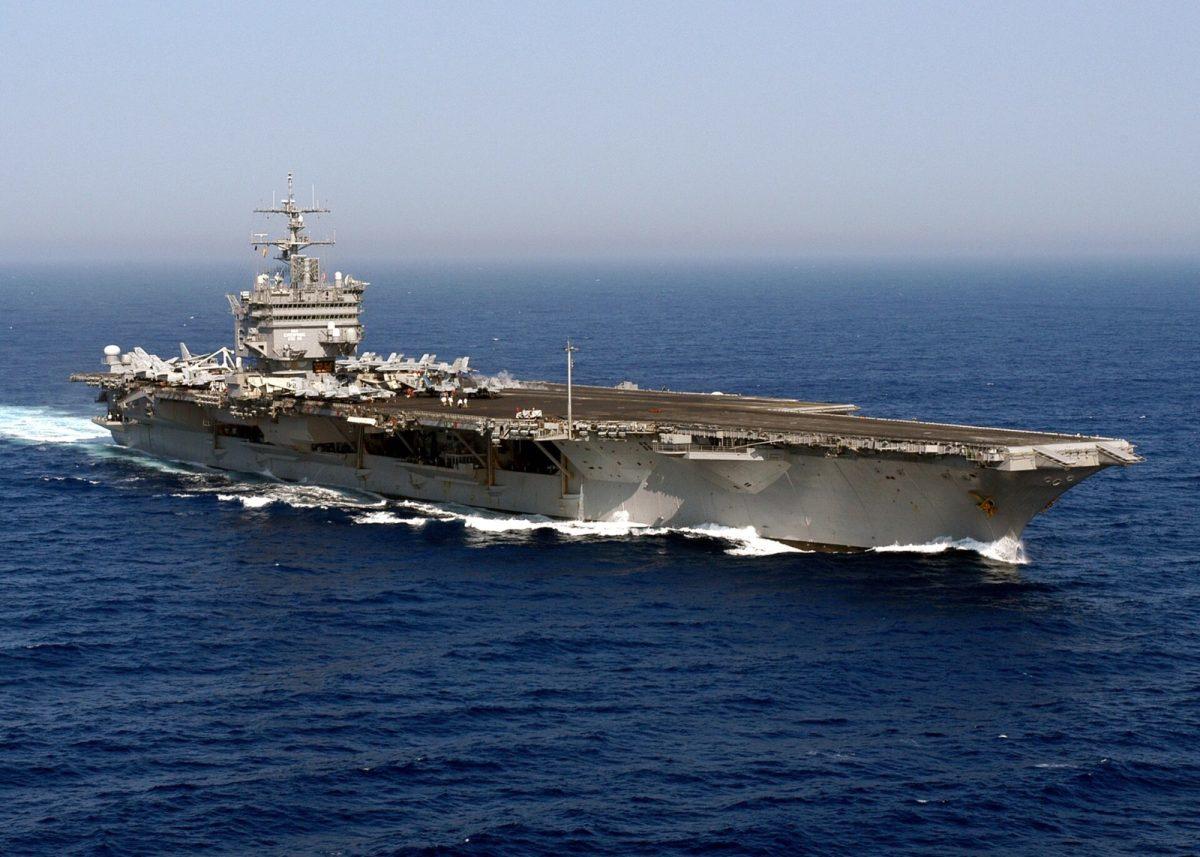
When India Nearly Attacked U.S. Aircraft Carrier: Recalling The 1971 USS Enterprise Kamikaze Plan
Why It Matters
The episode illustrates how great‑power naval assets remain strategic flashpoints and how regional powers can leverage daring plans or accidental encounters to challenge U.S. maritime dominance, shaping current security calculations in the Indian Ocean.
Key Takeaways
- •1971 IAF pilots volunteered for kamikaze strike on USS Enterprise
- •Soviet naval force deterred U.S. carrier deployment in Bay of Bengal
- •USS Enterprise aimed to support Pakistan and evacuate Americans
- •2007 IAF Jaguar mistakenly approached USS Nimitz, showing carrier risk
- •Historical episode underscores enduring strategic risks to U.S. carrier groups
Pulse Analysis
During the 1971 Indo‑Pak war, the United States dispatched the nuclear‑powered carrier USS Enterprise to the Bay of Bengal, ostensibly to evacuate American citizens but also to signal support for Pakistan, a key Cold‑War ally. The move alarmed New Delhi, prompting the Indian Air Force to draft a desperate kamikaze‑style plan using Canberra bombers, with around 40 pilots ready to crash into the carrier’s flight deck. The operation never left the ground because the Soviet Union, India’s strategic partner, sent a formidable anti‑carrier task force that effectively neutralized the American threat.
The aborted strike reveals how nuclear‑armed carriers can become focal points of geopolitical leverage, even for nations lacking comparable sea power. While the feasibility of a suicide attack on a modern carrier is questionable, the willingness of IAF pilots to consider it underscores the high stakes of carrier‑centric power projection. Soviet intervention not only protected Indian interests but also demonstrated the potency of naval deterrence, forcing the U.S. to redeploy the fleet to the Indian Ocean before ultimately withdrawing it to Vietnam.
Fast‑forward to the 21st century, and the legacy of carrier vulnerability persists. Recent U.S. actions against an Iranian cargo vessel and a 2007 incident where an Indian Jaguar jet nearly collided with the USS Nimitz highlight that even the world’s most advanced warships can be challenged by smaller forces. These episodes remind policymakers that maritime dominance is not absolute; it requires constant vigilance, robust rules of engagement, and nuanced diplomacy, especially as Indo‑U.S. ties deepen amid rising Chinese influence in the region.
When India Nearly Attacked U.S. Aircraft Carrier: Recalling The 1971 USS Enterprise Kamikaze Plan
Comments
Want to join the conversation?
Loading comments...