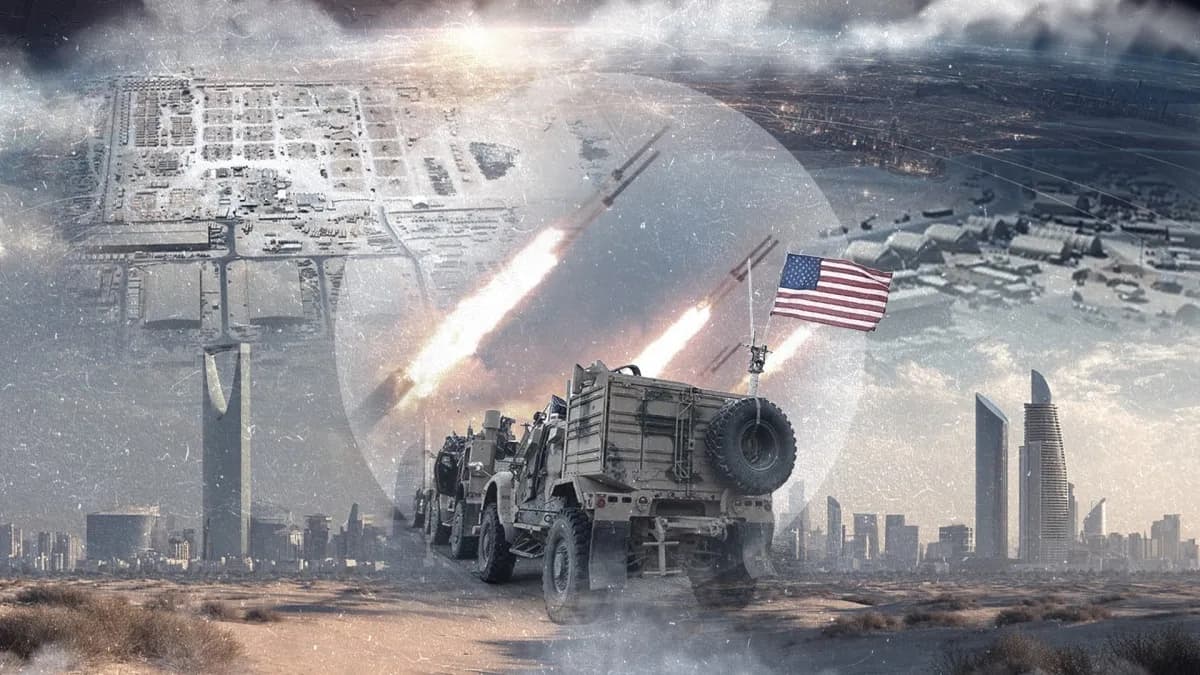
When the World’s Greatest Power Can’t Win
Why It Matters
The erosion of American leverage signals higher costs for unilateral coercion and forces U.S. policymakers to adapt to a more contested, multipolar international system.
Key Takeaways
- •Iran leverages Strait of Hormuz to offset U.S. sanctions.
- •U.S. military edge fails to produce decisive political outcomes in Iran.
- •Sanctions push Tehran toward China, deepening a multipolar balance.
- •Diplomatic arrogance hampers durable agreements; JCPOA showed compromise works.
Pulse Analysis
The post‑Cold War era cemented a U.S. foreign‑policy doctrine that military superiority could compensate for diplomatic fatigue. The Iran confrontation, however, illustrates a stark mismatch: while American carriers and cyber tools can inflict damage, they have not forced Tehran into a political settlement. This gap reflects a broader pattern where tactical victories no longer guarantee strategic success, prompting analysts to question the sustainability of a force‑first approach in an increasingly complex geopolitical landscape.
Sanctions intended to isolate Iran have instead accelerated its pivot toward China, creating a new axis of economic and security cooperation that erodes Washington’s leverage. The Strait of Hormuz, through which roughly 20% of global oil passes, now serves as a potent bargaining chip for Tehran, capable of unsettling markets despite U.S. financial clout. This dynamic exemplifies how asymmetric tactics and regional alliances can neutralize conventional superiority, reinforcing the reality of a multipolar world where power is diffused across state and non‑state actors.
The lesson for American strategists is clear: diplomatic humility must replace dictatorial bargaining. The 2015 JCPOA demonstrated that even an unequal partnership can yield verifiable, stability‑enhancing outcomes when both sides concede. Future settlements with Iran—and with other resilient adversaries—will likely require multilateral frameworks that involve China, Russia, and regional powers. Embracing such a collaborative model not only curbs the risk of nuclear escalation but also aligns U.S. policy with the evolving architecture of global power, preserving influence without overreliance on coercion.
When the world’s greatest power can’t win
Comments
Want to join the conversation?
Loading comments...