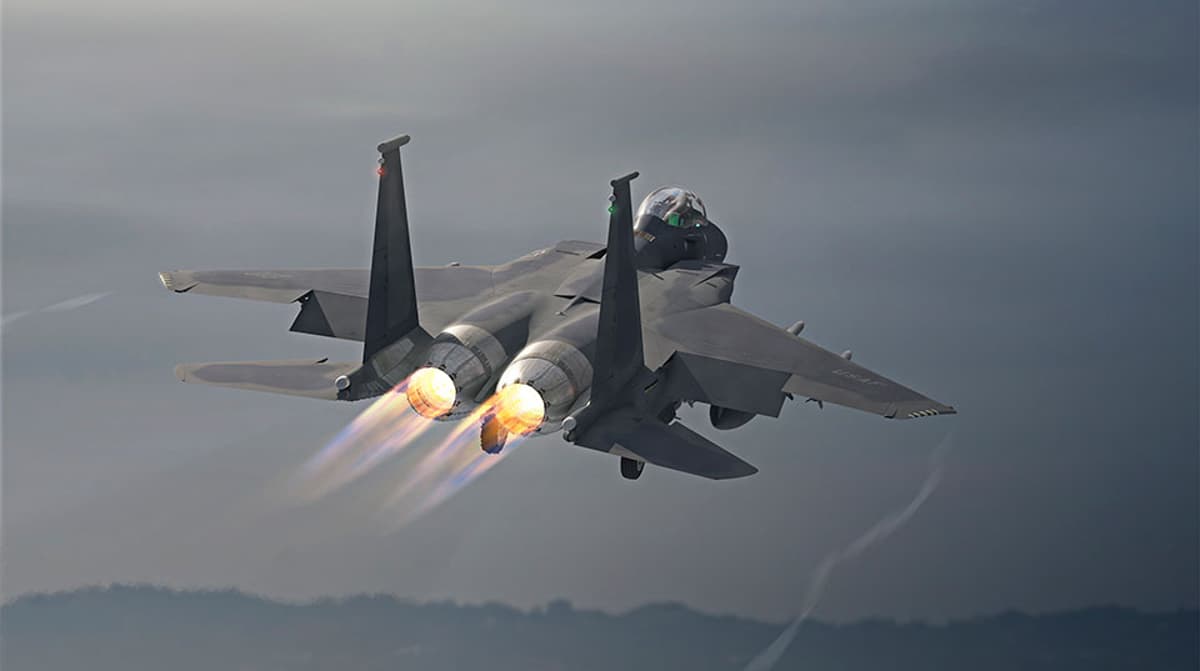
When U.S. F-15s Chased a Russian “Ghost” MiG-23 Flogger To Find The Biggest Surprise — An Empty Cockpit
Why It Matters
The event exposed critical decision‑making dilemmas for air‑defense forces when confronting unmanned hostile aircraft, a scenario increasingly relevant with today’s autonomous drones and fighter jets.
Key Takeaways
- •1989 MiG-23 flew 900 km unmanned after pilot ejection
- •Two US F-15s intercepted but did not shoot down the jet
- •Crash in Belgium killed an 18‑year‑old civilian
- •Incident exposed gaps in Cold War radar and interception protocols
- •2023 F‑35 pilotless flight shows modern autonomous safety challenges
Pulse Analysis
The July 4, 1989, incident in which a Soviet MiG‑23 “Flogger” continued to fly after its pilot ejected remains one of the most bizarre Cold‑War air‑space events. After an afterburner failure forced Colonel Nikolai Skuridin to abandon the aircraft, the jet retained enough thrust to climb to 39,500 feet and travel roughly 900 kilometers across NATO airspace. Two U.S. Air Force F‑15 Quick‑Reaction Alert fighters scrambled from Soesterberg, intercepted the unmanned aircraft, and ultimately chose not to shoot it down, fearing collateral damage.
The MiG‑23 was a third‑generation swing‑wing fighter designed to counter the U.S. F‑4 Phantom, featuring a powerful R‑29 engine and a look‑down/shoot‑down radar. Its variable geometry and high thrust allowed it to maintain lift even without a pilot, a quirk that proved fatal when the aircraft eventually crashed in Belgium, killing an 18‑year‑old boy. The episode foreshadowed modern autonomous‑flight scenarios; a 2023 U.S. Marine Corps F‑35B similarly flew unmanned for over 11 minutes after the pilot ejected, highlighting advances—and lingering risks—in automatic flight‑control systems.
The 1989 ghost‑plane incident forced NATO to re‑evaluate interception protocols, especially the decision to engage an unmanned aircraft over populated regions. Today, as drones and AI‑driven fighters become commonplace, the balance between neutralizing a potential threat and protecting civilians is more delicate than ever. Lessons from the MiG‑23 and the recent F‑35 episode underscore the need for clear rules of engagement, robust fail‑safe mechanisms, and international coordination to manage autonomous flight incidents without repeating tragic outcomes. Policymakers are now drafting guidelines that integrate real‑time telemetry and cross‑border communication to mitigate similar risks.
When U.S. F-15s Chased a Russian “Ghost” MiG-23 Flogger To Find The Biggest Surprise — An Empty Cockpit
Comments
Want to join the conversation?
Loading comments...