White House Approves $9 Billion for Spy Agencies to Catch Up on A.I.
Why It Matters
The infusion of billions accelerates AI integration in intelligence work, narrowing a critical capability gap and bolstering national security. It also signals that AI hardware will become a central line item in future defense budgets.
Key Takeaways
- •$9 billion allocated to secure advanced AI chips for intelligence agencies
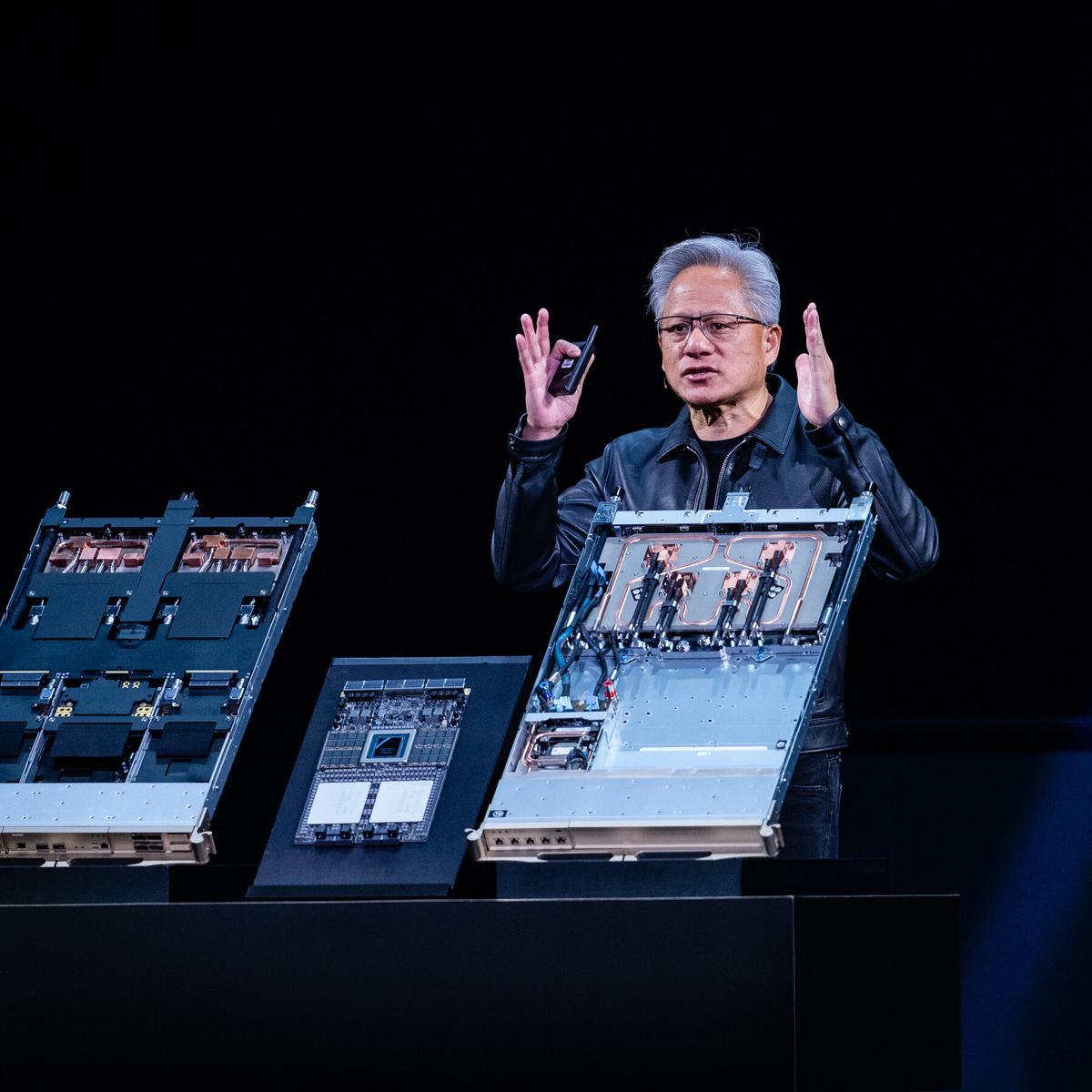
- •Funding targets Nvidia’s Grace Blackwell superchip and specialized data‑center infrastructure
- •Additional $800 million reprogrammed for rapid acquisition of computing capacity
- •NSA permitted to use Anthropic model despite Pentagon supply‑chain warnings
- •Congress approval pending; future AI spending expected to grow further
Pulse Analysis
The United States’ intelligence community is confronting a hardware bottleneck that could undermine its AI ambitions. Modern large‑language models demand petaflops of compute, a requirement that outpaces the existing supply of high‑performance chips. By earmarking $9 billion for Nvidia’s Grace Blackwell superchip and the power‑intensive, liquid‑cooled data centers it needs, the administration aims to secure a foothold in the emerging AI arms race. The supplemental $800 million reprogramming underscores the urgency of scaling capacity before the next fiscal cycle.
Beyond raw compute, the funding reflects a strategic shift toward AI‑driven analysis in espionage. Advanced models can parse terabytes of intercepted communications, flagging anomalies that human analysts might miss. Yet the Pentagon’s designation of Anthropic as a supply‑chain risk adds a layer of complexity; the White House chief of staff has nonetheless authorized the NSA to continue using Anthropic’s model, highlighting a pragmatic balance between security concerns and operational necessity. This decision illustrates how agencies are navigating competing priorities to maintain an edge in signal intelligence.
Politically, the request tests the willingness of Congress to fund cutting‑edge technology amid broader fiscal debates. While the administration’s request remains secret, the eventual congressional vote will set a precedent for future AI investments in defense. Experts anticipate that the $9 billion figure is merely a baseline, with subsequent appropriations likely to rise as AI becomes integral to mission‑critical tasks. The episode signals to industry partners that the federal market for AI hardware is expanding rapidly, prompting manufacturers to prioritize supply‑chain resilience and specialized cooling solutions to meet government demand.
White House Approves $9 Billion for Spy Agencies to Catch Up on A.I.
Comments
Want to join the conversation?
Loading comments...