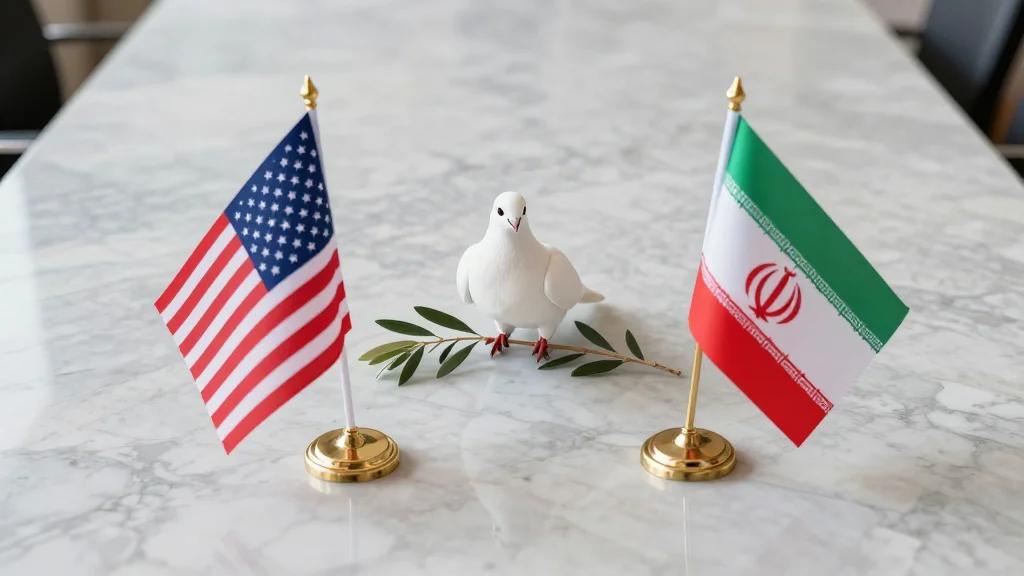
White House Denies U.S. Requested Ceasefire, Says New Talks May Happen in Pakistan
Why It Matters
The clarification signals that the United States remains engaged diplomatically while avoiding a premature cease‑fire, keeping pressure on Iran and preserving leverage. Continued talks could ease tensions that are destabilizing global oil markets and threatening supply chains.
Key Takeaways
- •White House says it did not request a cease‑fire in Iran war
- •New round of U.S.–Iran talks may be hosted in Pakistan
- •Previous talks collapsed, leaving Strait of Hormuz largely closed
- •Closure threatens global oil supply, forcing importers to seek alternatives
Pulse Analysis
The latest White House briefing underscores a delicate diplomatic balancing act as Washington navigates the Iran‑Israel war that began in late February. By denying a cease‑fire request, the administration avoids signaling weakness while still signaling openness to dialogue. Karoline Leavitt’s remarks that talks are "productive and ongoing" aim to reassure allies and domestic audiences that diplomatic channels remain active, even as the conflict’s military dimension escalates.
Pakistan’s emergence as the "only mediator" reflects both regional geopolitics and practical logistics. Islamabad’s historical ties to Tehran and its willingness to host neutral talks give it a unique position to bridge the divide. The prospect of in‑person negotiations on Pakistani soil could provide a more controlled environment for confidence‑building measures, especially after the recent breakdown of talks left both sides wary. Analysts note that Pakistan’s role may also align with broader U.S. strategic interests in South Asia, offering a counterweight to Chinese influence in the region.
Energy markets feel the ripple effects of the war’s escalation, particularly after Iran effectively closed the Strait of Hormuz to non‑Iranian vessels. The strait handles roughly 20% of global oil shipments, and its partial shutdown has forced importers in Asia and Europe to scramble for alternative supplies, driving up freight rates and spot prices. Continued diplomatic progress could restore some shipping lanes, stabilizing crude and gas prices. Conversely, prolonged stalemate risks entrenched supply disruptions, prompting policymakers to weigh the cost of military escalation against the urgency of diplomatic resolution.
White House denies U.S. requested ceasefire, says new talks may happen in Pakistan
Comments
Want to join the conversation?
Loading comments...