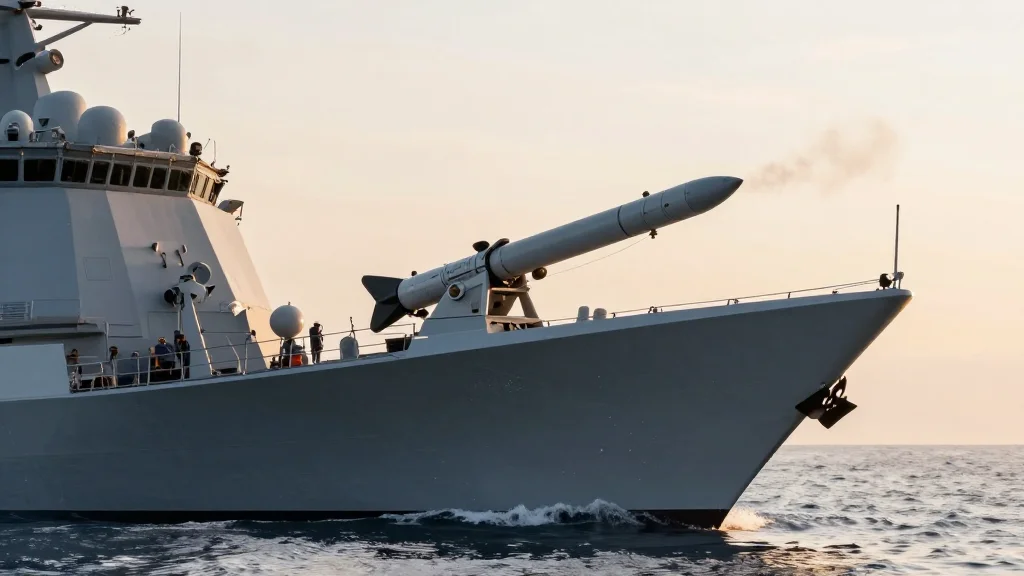
White House Proposes 44% Defence Budget Increase Amid Iran Conflict
Why It Matters
The surge in defence spending signals a strategic pivot toward heightened military readiness and industrial capacity, reshaping U.S. security posture and creating significant market opportunities for defence contractors.
Key Takeaways
- •Defence budget rises to $1.5 trillion, 44% increase
- •$441 billion added over previous year
- •$350 billion mandatory funds for munitions, industrial base
- •$65.8 billion funds 34 new ships, including battle force
- •F‑47 sixth‑generation fighter program slated for 2028 flight
Pulse Analysis
The proposed FY 2027 defence budget arrives at a moment of heightened geopolitical tension, particularly with the ongoing conflict in Iran. By inflating the defence topline to $1.5 trillion, the administration is signaling a willingness to outspend rivals and reinforce deterrence. Historically, such a jump rivals the post‑Cold War peaks, reflecting a broader trend of escalating military expenditures across NATO allies. This fiscal move also underscores the White House’s intent to secure bipartisan support for a robust national security agenda, despite looming concerns over the federal deficit.
A substantial portion of the new funding targets modernisation of the naval fleet and next‑generation air platforms. The $65.8 billion allocation for 34 ships, including new Trump‑class battleships and advanced frigates, aims to address delivery delays and expand sealift capacity. Simultaneously, the F‑47 sixth‑generation fighter program receives continued backing, with an initial flight slated for 2028, positioning the U.S. to maintain air‑dominance. Investments in the Golden Dome missile‑defence system, AI infrastructure such as GenAI.mil, and unmanned counter‑crewed technologies further illustrate a shift toward high‑tech, network‑centric warfare.
Economically, the budget’s $350 billion mandatory component earmarked for munitions and industrial‑base expansion could catalyse a wave of private‑sector contracts, benefitting established primes and opening doors for emerging firms. However, the scale of spending raises questions about fiscal sustainability, especially as the Treasury grapples with rising debt levels. Policymakers will need to balance the strategic imperative of a modernised force against budgetary constraints, while industry stakeholders prepare to meet accelerated procurement timelines and heightened performance standards.
White House proposes 44% defence budget increase amid Iran conflict
Comments
Want to join the conversation?
Loading comments...