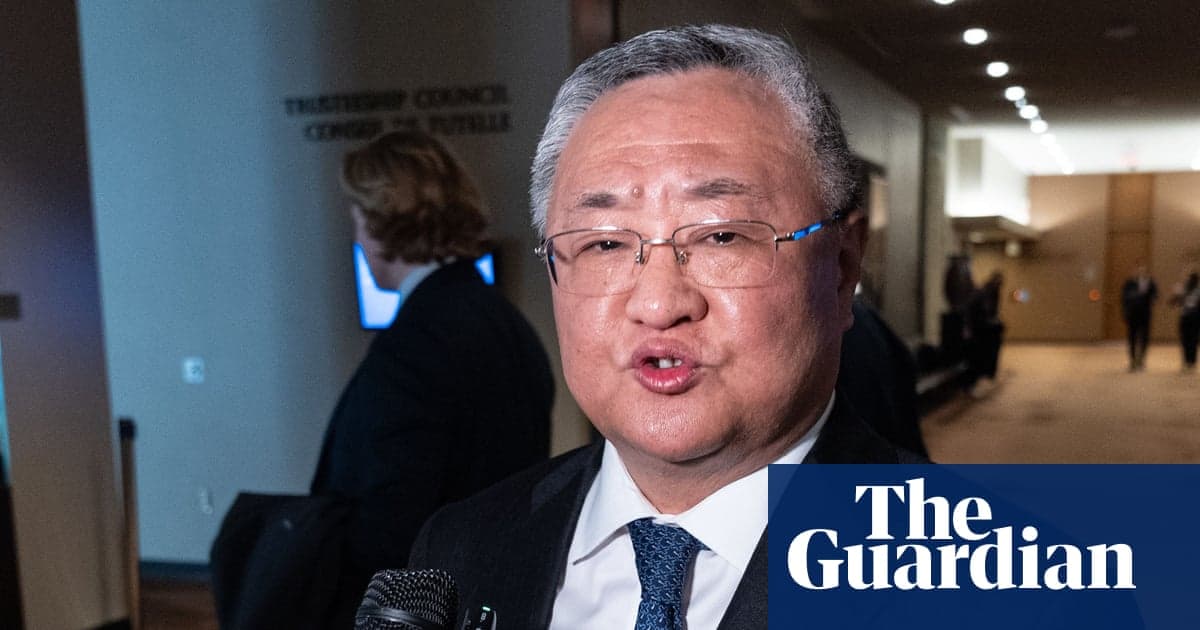
Who Can Claim Victory if Iran Ceasefire Holds? An Early Winner Is China
Why It Matters
China’s touted mediation bolsters its global image and signals a growing, though still limited, role in Middle‑East security, which directly impacts its energy supply and economic stability. The perception of Chinese influence may shape future diplomatic engagements and market expectations for oil prices.
Key Takeaways
- •China touted as mediator in Iran‑US ceasefire
- •Analysts say China's influence was limited, Iran already inclined
- •Beijing seeks image of responsibility, not deep diplomatic leverage
- •China’s oil imports make regional stability economically vital
Pulse Analysis
The April 7 ceasefire between the United States and Iran arrived amid a flurry of diplomatic activity, and Beijing quickly positioned itself as a behind‑the‑scenes broker. Chinese state media highlighted the country’s "active work" to de‑escalate the conflict, while foreign‑ministry spokespeople offered vague confirmations. This narrative builds on China’s recent successes, such as the 2023 Saudi‑Iran détente and the 2024 Beijing declaration on Palestinian unity, reinforcing a self‑portrait of a responsible great power capable of shaping outcomes in volatile regions.
Strategically, the ceasefire matters to China far beyond prestige. As the world’s largest single buyer of Iranian crude, Beijing’s economy is vulnerable to spikes in oil prices that could exacerbate a global recession. By promoting a stable Middle East, China hopes to keep energy costs in check, protect its export‑driven growth, and avoid supply shocks that would strain its manufacturing sector. The joint China‑Pakistan five‑point peace plan further signals Beijing’s intent to leverage economic ties—particularly energy and infrastructure projects—to gain diplomatic mileage without committing troops or heavy sanctions enforcement.
However, experts caution that China’s actual leverage is modest. Iran ranks outside the top ten of Beijing’s strategic partners, and the ceasefire terms largely reflect Tehran’s pre‑existing demands, suggesting limited Chinese pressure. Moreover, the absence of a concrete enforcement mechanism means Beijing cannot guarantee compliance, underscoring the gap between its public image and on‑the‑ground capability. As the ceasefire holds, observers will watch whether China can translate its diplomatic branding into tangible influence, or if the episode remains a public‑relations win with little substantive power.
Who can claim victory if Iran ceasefire holds? An early winner is China
Comments
Want to join the conversation?
Loading comments...