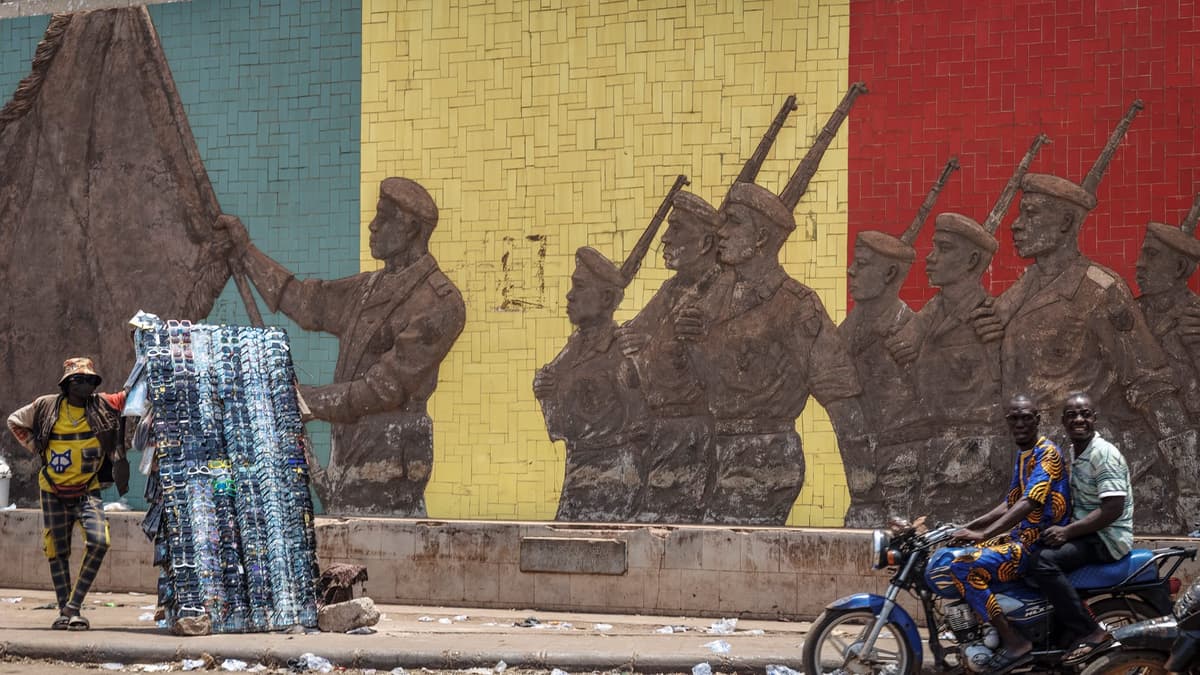
Why an Insurgency in Mali Matters in Moscow
Key Takeaways
- •JNIM and Tuareg rebels struck five Malian cities on April 25.
- •Defense minister Sadio Camara killed; he built Mali’s Russia alliance.
- •Russian mercenaries expelled from Kidal as insurgents gained ground.
- •Mali’s junta turning to China for weapons amid Russian shortfalls.
- •U.S. lifted sanctions on Malian officials, signaling pragmatic engagement.
Pulse Analysis
The latest wave of violence in Mali underscores the fragility of the junta that seized power in 2021. On April 25, the al‑Qaeda‑linked JNIM network and veteran Tuareg separatists launched synchronized attacks across five cities, including the capital Bamako, killing Defence Minister Sadio Camara. Camara had been the principal architect of Mali’s security alignment with Moscow, and his death not only creates a leadership vacuum but also signals that the insurgency can strike at the very heart of the Russia‑Mali partnership. The coordination of jihadist and separatist forces marks a new escalation in the Sahel’s protracted conflict landscape.
Russian involvement in the Sahel has long hinged on mercenary groups such as Wagner and the Kremlin‑run Africa Corps, which have provided combat support and a propaganda engine for Moscow. The recent expulsion of these fighters from Kidal, coupled with reports that Ukraine supplied intelligence to ambush a Wagner convoy, highlights the limits of Russian influence when supply lines are strained by the war in Ukraine. As Russian weapon deliveries dwindle, the Malian junta has pivoted toward Beijing, securing a major arms shipment that includes artillery and air‑defense systems. China’s growing footprint—spanning infrastructure contracts and mineral extraction—faces its own risks, as rebel groups increasingly target Chinese projects, exemplified by threats to the $4.5 billion Niger‑Benin oil pipeline.
Washington’s response reflects a pragmatic recalibration. After lifting sanctions on top Malian officials, including the late Camara’s successors, the United States signals willingness to engage with military regimes to counter Russian and Chinese gains. This policy shift aims to preserve strategic interests, such as counter‑terrorism cooperation and access to critical resources, while acknowledging the humanitarian toll of the conflict—millions displaced and food insecurity soaring. The evolving great‑power contest in the Sahel will hinge on which actors can deliver security and development amid persistent insurgent threats, shaping the region’s political trajectory for years to come.
Why an insurgency in Mali matters in Moscow
Comments
Want to join the conversation?