Why Are Africans Fighting in Russia’s War in Ukraine?
Why It Matters
The recruitment exposes gaps in international recruitment oversight and fuels diplomatic tensions, while deepening socioeconomic strains in African nations.
Key Takeaways
- •Russia seeks African recruits to offset 1.2 million troop losses.
- •Many Africans recruited under false job promises, later forced into combat.
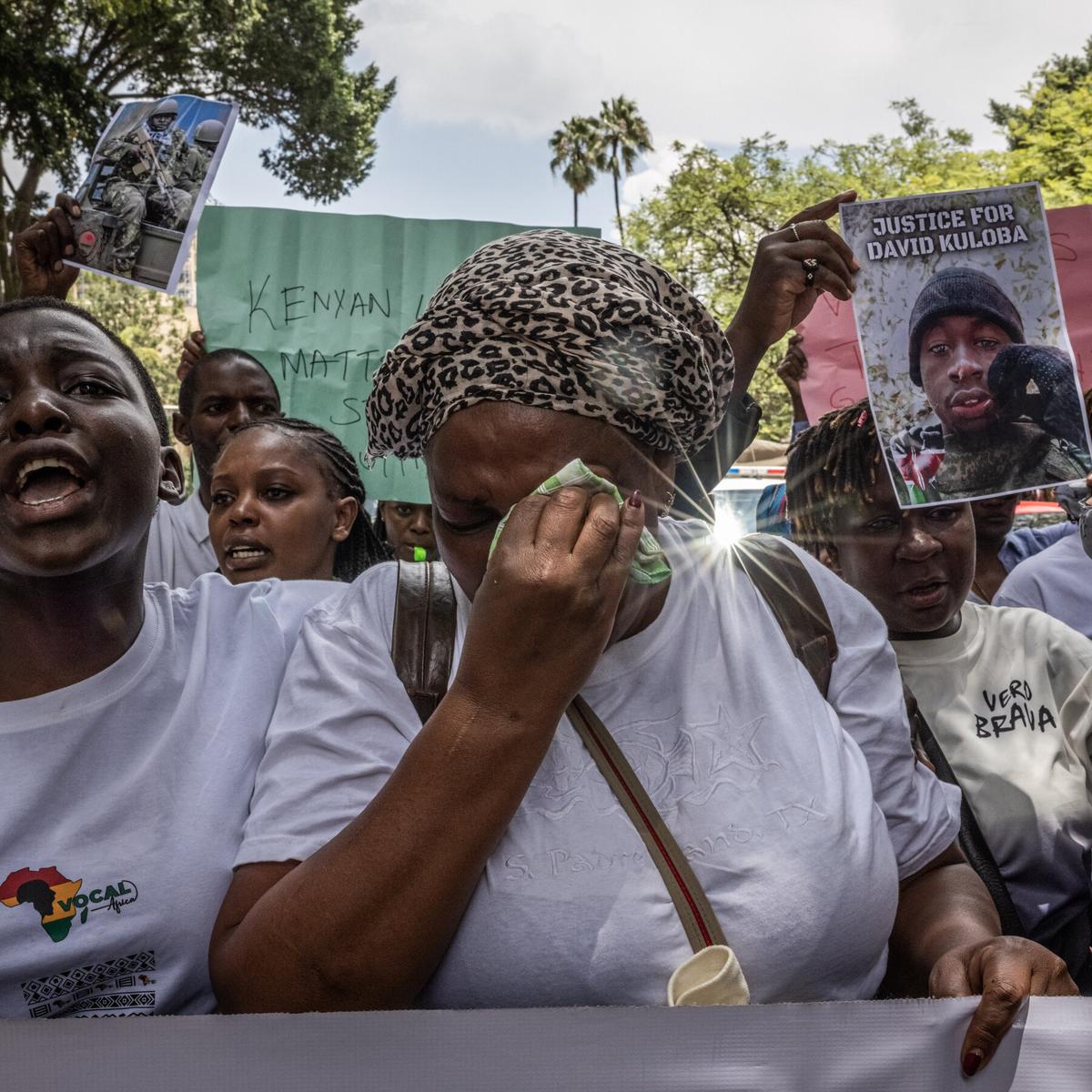
- •Kenyan families protest, demanding information on missing relatives.
- •Recruitment highlights Africa’s youth unemployment and Russia’s manpower crisis.
- •International watchdogs call for stricter monitoring of foreign fighter pipelines.
Pulse Analysis
Since launching its full‑scale invasion in February 2022, Russia has suffered an estimated 1.2 million casualties—killed, wounded or missing—according to the Center for Strategic and International Studies. The attrition has strained the Kremlin’s ability to sustain offensive operations and has forced Moscow to look beyond its own conscription pool. While private military companies such as Wagner have long supplied foreign fighters, the scale of the current shortfall has prompted a more systematic recruitment drive targeting low‑cost manpower abroad. African volunteers now represent a growing segment of this ad‑hoc army, offering a quick fix to dwindling front‑line numbers.
The surge in African enlistments is rooted in a perfect storm of high youth unemployment and aggressive recruitment networks operating in Kenya, Nigeria, Sudan and other states. Recruiters advertise well‑paid construction or logistics jobs in Moscow, then transport hopefuls to Russian border towns where they are presented with “volunteer” contracts that are, in practice, compulsory military service. Many sign under duress, unaware that refusal could lead to detention or deportation. Families back home report missing relatives, while human‑rights groups document cases of deception, abuse, and inadequate consular support.
The phenomenon raises urgent questions for international law and diplomatic engagement. The United Nations’ Guiding Principles on the Use of Foreign Fighters call for transparent recruitment and protection of migrants, standards that Russia’s current practices appear to violate. Western governments have begun sanctioning recruitment firms and urging African ministries to tighten outbound travel monitoring. For African states, the challenge is two‑fold: protecting citizens from exploitative pipelines while preserving strategic autonomy in foreign policy. Strengthened regional cooperation and robust verification mechanisms could curb the flow of recruits and mitigate a humanitarian crisis that reverberates far beyond the Ukrainian battlefield.
Why are Africans Fighting in Russia’s War in Ukraine?
Comments
Want to join the conversation?
Loading comments...