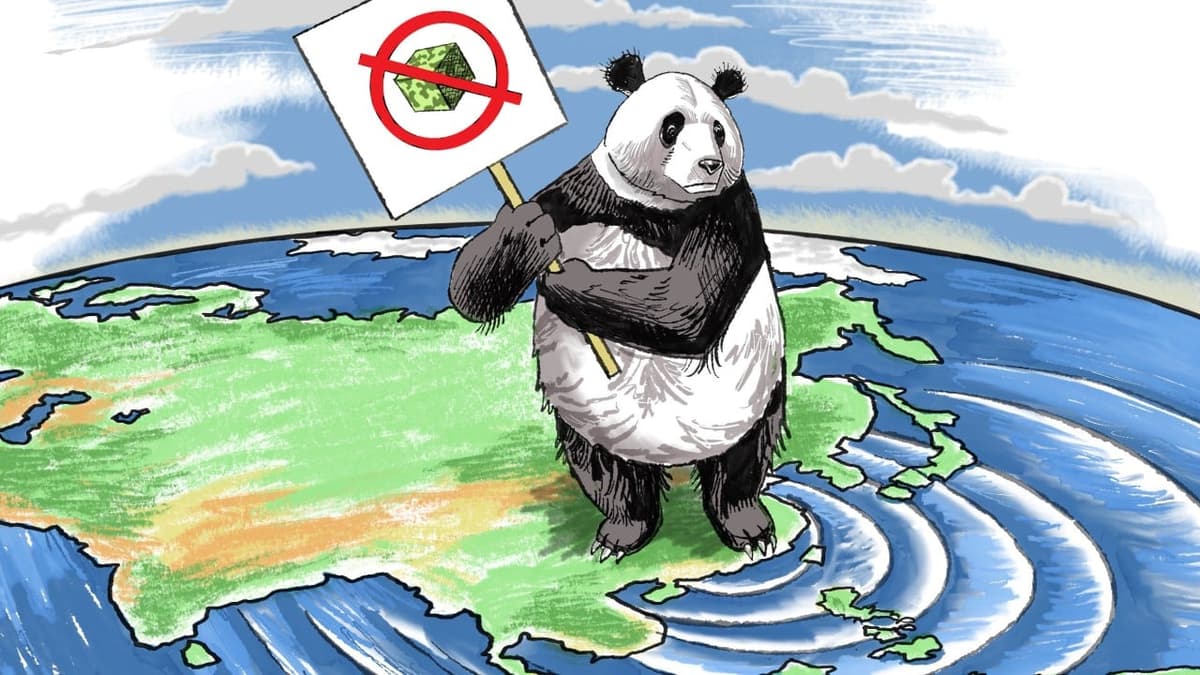
Why China’s Warning over Military Blocs Is Finding Listeners in Asia
Why It Matters
The development highlights a strategic crossroads where security cooperation risks hardening into rigid blocs, potentially disrupting the economic interdependence that underpins Asia’s growth and stability.
Key Takeaways
- •Balikatan drills involve 17,000 troops across the Philippines
- •Japan joins Balikatan live‑fire for first time, signaling deeper ties
- •China warns against bloc‑building, emphasizing indivisible security and trade
- •Middle powers seek US defence aid while preserving economic links with China
- •Regional stability now measured by open ports, insurance confidence, not just missiles
Pulse Analysis
The 2024 Balikatan exercises, now involving more than 17,000 U.S. and Philippine personnel, have expanded beyond traditional training grounds into contested maritime zones. Japan participated in live‑fire drills for the first time, while Australia, Canada, France and New Zealand also fielded units, underscoring a multilateral push to showcase interoperability. The scenario shifted to Palawan and Batanes, where forces rehearsed counter‑landing operations and displayed the Navy‑Marine Expeditionary Ship Interdiction System, an anti‑ship missile capability positioned just 100 miles south of Taiwan. These moves signal a deliberate effort to normalize forward‑deployed deterrence in the South China Sea.
Asian capitals are responding with a cautious hedging strategy that blends security guarantees from Washington with the economic imperatives of Beijing. Since 2022, China has promoted its Global Security Initiative, framing security as indivisible and advocating dialogue over coercion. That narrative resonates with nations such as Vietnam, Indonesia and Malaysia, which value open shipping lanes, stable insurance markets and uninterrupted trade flows more than rigid alliance commitments. For them, a military exercise can double as a market signal, influencing commodity prices, factory orders and even grocery shelves across the region.
The United States faces a diplomatic dilemma: expanded basing rights, complex trilateral drills, and the broader Aukus and Quad frameworks are marketed as deterrence, yet many regional leaders view them as steps toward a bifurcated security order. If deterrence becomes the sole language of regional stability, diplomatic flexibility erodes, raising the risk of supply‑chain shocks and political volatility. Policymakers in Washington and Beijing must therefore balance hard power displays with mechanisms that keep ports open, insurers calm and investors confident, lest the competition devolve into a permanent theatre of escalation.
Why China’s warning over military blocs is finding listeners in Asia
Comments
Want to join the conversation?
Loading comments...