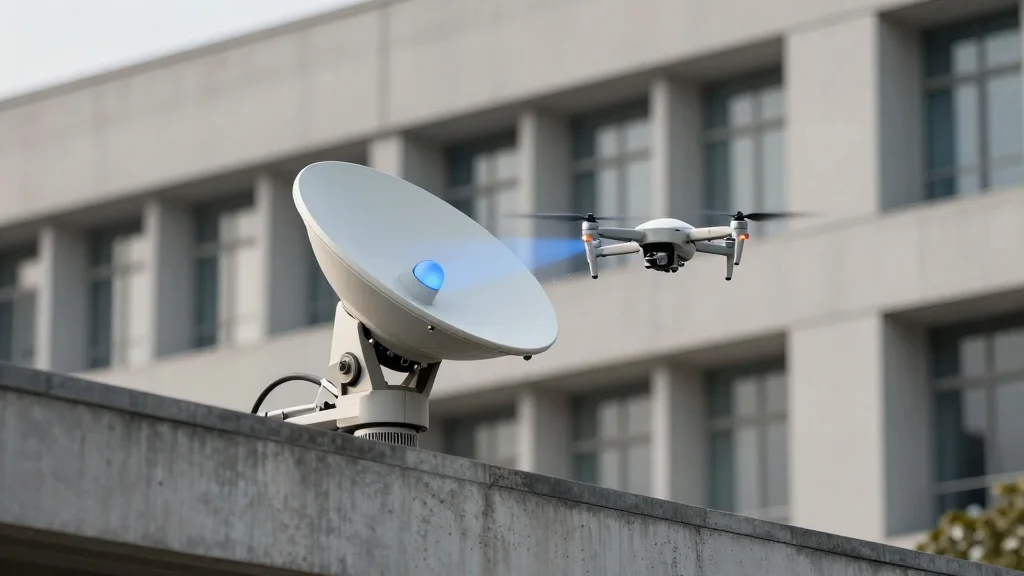
Why Drone Detection Is Essential to Comply with the Critical Entities Resilience Directive
Why It Matters
Drone incursions can cripple essential services, so detection directly supports the EU’s mandate for continuous operational continuity. Early adoption gives operators a compliance edge and reduces exposure to costly disruptions.
Key Takeaways
- •CER Directive mandates compliance by May 2027 for critical entities
- •Unauthorized drones can disrupt operations, safety, and data integrity
- •Drone detection provides real‑time threat assessment and incident documentation
- •SkeyDrone integrates with existing security systems for seamless monitoring
- •Early adoption closes resilience gaps before EU enforcement begins
Pulse Analysis
The European Union’s Critical Entities Resilience (CER) Directive marks a watershed for infrastructure security, compelling member states to label and protect essential service providers by July 2026 and to enforce compliance by May 2027. This regulatory push reflects growing recognition that resilience is no longer limited to physical barriers; it must encompass emerging technological threats that can undermine continuity. By requiring documented, measurable safeguards, the directive forces operators to adopt a risk‑based approach, where each identified vulnerability—whether cyber, physical, or aerial—must be mitigated with proportionate controls.
Among the most pressing new hazards are unmanned aerial systems. Recent incidents at major airports and energy facilities have shown that a single rogue drone can halt operations, trigger emergency responses, and expose sensitive sites to espionage or hazardous payloads. The low cost and accessibility of commercial drones amplify the threat, making them attractive tools for sabotage, illicit surveillance, or even cyber‑physical attacks. Consequently, the inability to detect, classify, and respond to drone activity represents a glaring resilience gap for any organization classified as a critical entity under the CER framework.
Drone‑detection platforms like SkeyDrone’s solution are rapidly becoming a compliance cornerstone. By fusing radar, radio‑frequency, and optical sensors with existing security infrastructure, these systems deliver a unified airspace picture, enabling real‑time threat assessment and automated incident reporting. This not only satisfies the CER’s technical and organisational safeguards but also empowers operators to maintain service continuity during aerial incursions. As EU member states finalize national implementation plans, early integration of such technology offers a strategic advantage, reducing the risk of costly disruptions while positioning firms as proactive leaders in the evolving security landscape.
Why Drone Detection Is Essential to Comply with the Critical Entities Resilience Directive
Comments
Want to join the conversation?
Loading comments...