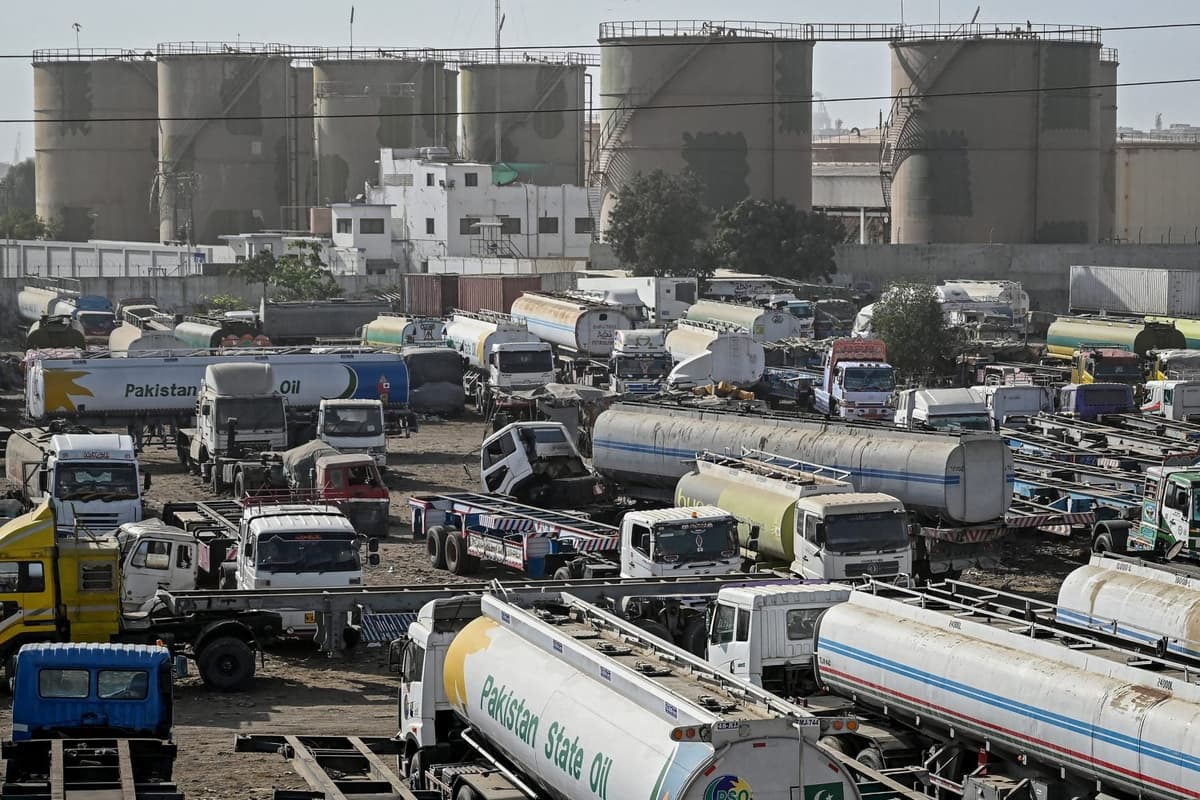
Why Energy Has Become a Foreign-Policy Weapon
Why It Matters
The disruption underscores how energy supply manipulation can reshape global economic stability and force policymakers to rethink security and energy strategies.
Key Takeaways
- •Iran’s Hormuz blockade cuts 10 M barrels daily
- •Oil prices up 80% YTD, jet fuel doubled
- •Russia gains from higher prices, but cannot rely forever
- •US net exporter; other nations may stockpile energy
Pulse Analysis
Energy’s return as a geopolitical lever reflects a shift from the optimism of market integration in the post‑Cold War era to a reality where supply chokepoints can be weaponized. Iran’s recent closure of the Strait of Hormuz, a conduit for roughly one‑fifth of world crude and gas, has removed an estimated 10 million barrels per day from circulation, driving oil prices up 80% and jet fuel to double. Unlike the 1973 oil embargo, today’s markets have not fully priced in the geopolitical risk, leaving economies vulnerable to sudden price spikes and supply gaps.
The fallout is uneven. The United States, now a net oil exporter, sees domestic producers benefit even as consumers shoulder a one‑third price increase. In contrast, Europe, Asia and many emerging markets confront blackouts, fuel rationing and fiscal deficits that are more than twice those of the 1970s, limiting their ability to subsidize energy or curb inflation. Russia, meanwhile, enjoys higher revenues from elevated prices, but its reliance on oil as a revenue stream is unsustainable if the market stabilizes or demand shifts.
Policymakers are urged to pursue a two‑pronged strategy: bolster domestic production across fossil and renewable sources while resisting the temptation to hoard energy stocks, which can exacerbate volatility. Investing in clean‑energy supply chains reduces dependence on traditional hydrocarbons but introduces new geopolitical considerations, especially given China’s dominance in critical minerals. A resilient, diversified energy portfolio—paired with coordinated international market confidence—offers the best defense against future energy‑based coercion.
Why Energy Has Become a Foreign-Policy Weapon
Comments
Want to join the conversation?
Loading comments...