Why Is Beijing on a Stronger Footing to Discuss Taiwan with Trump This Time?
Why It Matters
The shift signals a potential de‑escalation of Taiwan‑related friction, influencing both U.S. election politics and the broader stability of U.S.–China relations.
Key Takeaways
- •Beijing sees stronger leverage on Taiwan in upcoming Trump‑Xi summit
- •Taiwan approved US$26 billion extra defence budget in 2026
- •Trump likely to temper Taiwan stance to secure broader US‑China deals
- •US arms sales to Taiwan remain a thorny issue for Beijing
- •Any US statement opposing Taiwan independence would boost cross‑strait ties
Pulse Analysis
The upcoming Trump‑Xi summit marks a strategic inflection point for cross‑strait diplomacy. After two turbulent years, President Trump faces a domestic agenda that hinges on delivering tangible foreign‑policy wins before the 2026 mid‑term elections. Wu Yongping, dean at Tsinghua’s Institute for Taiwan Studies, argues that Trump now views China as a necessary partner on trade, tariff relief, and broader geopolitical stability, relegating Taiwan to a secondary concern. This recalibration gives Beijing a stronger bargaining chip, as the U.S. president seeks to avoid any flashpoint that could jeopardize a fragile détente.
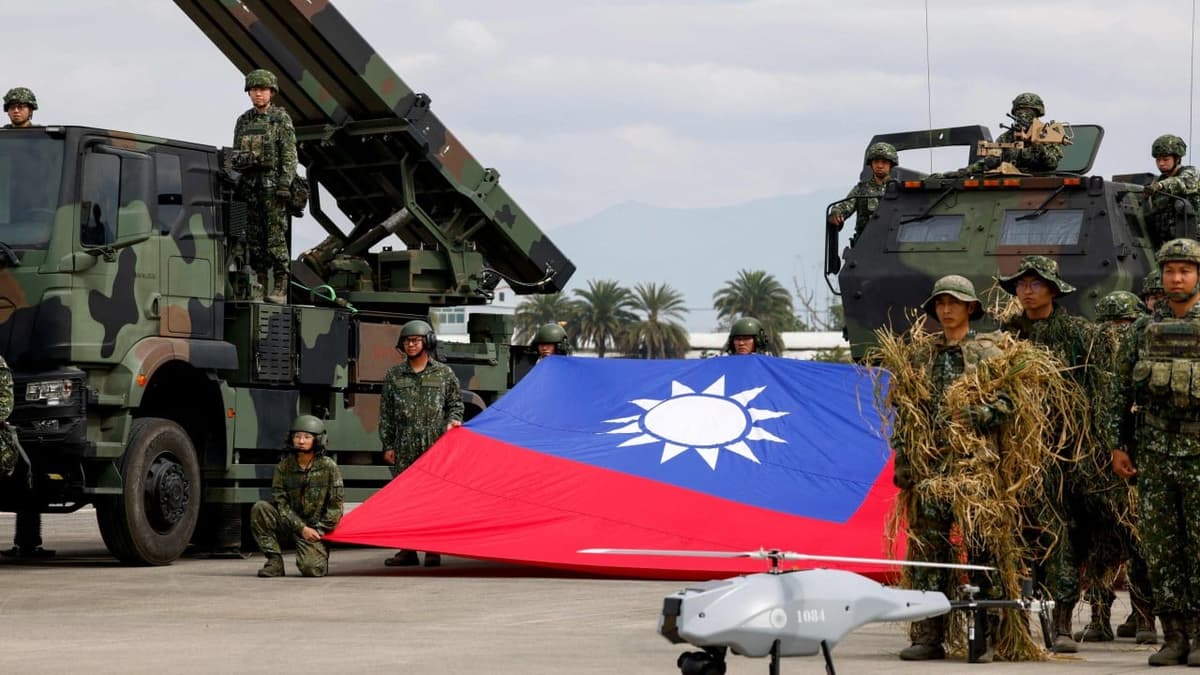
Taiwan’s recent approval of an additional US$26 billion defence budget underscores the island’s heightened security posture under President William Lai of the DPP. The funding aims to accelerate purchases of American weaponry and develop indigenous systems, a move that Beijing perceives as provocative. While the United States maintains its "strategic ambiguity"—opposing forceful reunification but not formally recognizing independence—its continued arms sales remain a persistent irritant for China. Analysts note that Trump’s record‑setting arms deals from his first term may be tempered this time, as he weighs the electoral cost of further inflaming Beijing.
If Trump were to publicly oppose Taiwanese independence, it could create a diplomatic opening for Beijing, potentially easing cross‑strait tensions and reshaping the U.S.–China relationship. However, experts caution that a single statement is unlikely to overturn the entrenched status quo. The broader implication is a possible shift toward a more pragmatic U.S. stance that prioritises macro‑economic and strategic cooperation over regional flashpoints. Such a pivot could stabilize markets, reduce the risk of military miscalculations, and set the stage for future negotiations on longstanding issues like the historic "fourth communique" that would update the 1970s framework governing U.S.–China ties.
Why is Beijing on a stronger footing to discuss Taiwan with Trump this time?
Comments
Want to join the conversation?
Loading comments...