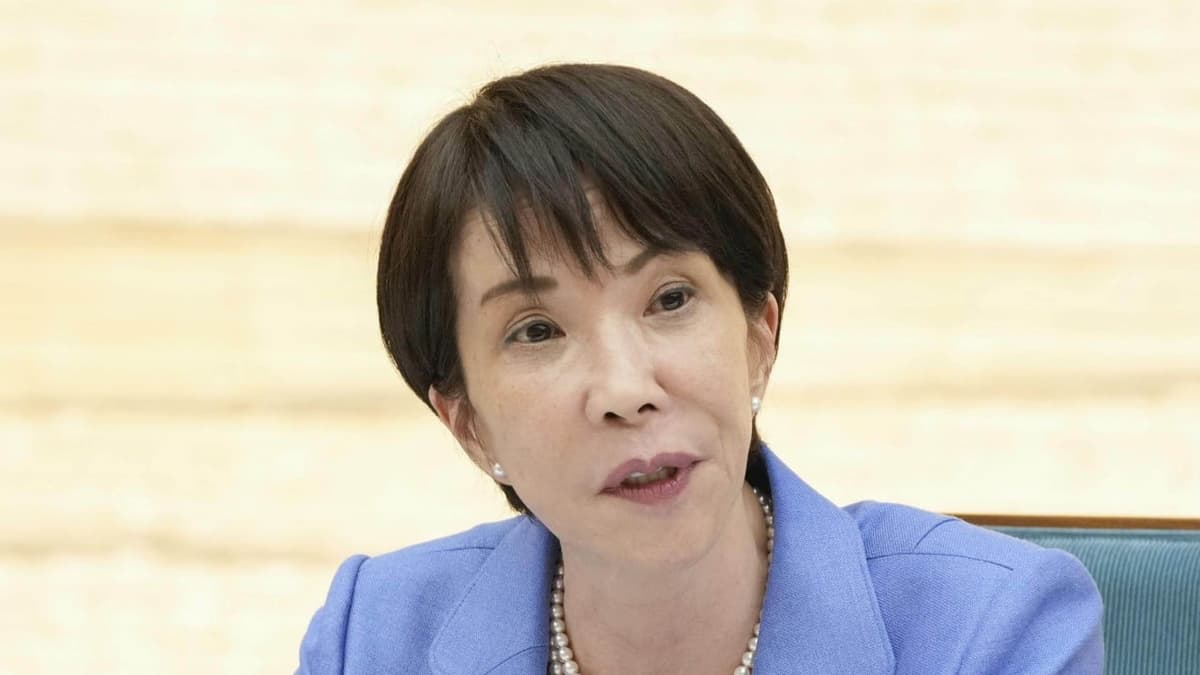
Why Is China Warning the UN of a Japanese ‘Nuclear Breakout’?
Why It Matters
If Japan were to pursue a nuclear option, it would destabilize regional security and challenge the global non‑proliferation regime, prompting heightened diplomatic activity at the UN. China’s push leverages its upcoming Security Council presidency to influence the narrative and rally international scrutiny.
Key Takeaways
- •China alleges Japan can extract weapons‑grade plutonium quickly
- •Beijing urges UN to list Japan’s nuclear ambitions as agenda item
- •Japan’s civilian stockpiles exceed needs, raising breakout concerns
- •China will chair UN Security Council in May, amplifying diplomatic leverage
Pulse Analysis
The latest Chinese position paper underscores a deepening rift between Beijing and Tokyo over nuclear capabilities. While Japan maintains a robust civilian nuclear program, it also holds a sizable inventory of plutonium‑239, a material that can be repurposed for weapons. Chinese officials argue that the combination of advanced reprocessing technology and excess stockpiles enables a rapid "nuclear breakout," a scenario where a state could shift from peaceful use to weaponization in a short timeframe. This allegation taps into historical sensitivities, recalling Japan’s post‑World War II pacifist constitution and its self‑imposed nuclear‑weapon ban, yet also highlighting the strategic calculus of right‑wing factions pushing for a stronger defense posture.
China’s call for the United Nations to treat Japan’s potential nuclear development as a priority agenda item is strategically timed. The country will assume the rotating presidency of the UN Security Council in May, granting it procedural control over discussions and the ability to shape resolutions. By framing the issue as a threat to international peace and security, Beijing seeks to rally broader support among UN members, potentially constraining Japan’s diplomatic maneuvering and signaling to allies such as the United States that any shift in Tokyo’s policy would have global repercussions. The move also serves as a diplomatic lever in broader Sino‑Japanese negotiations, ranging from trade disputes to territorial disagreements in the East China Sea.
Regionally, the warning could trigger a cascade of security adjustments. Allies like the United States and Australia may feel compelled to reaffirm security guarantees to Japan, while South Korea could reassess its own non‑proliferation stance. Conversely, Japan’s leadership faces domestic pressure: balancing constitutional constraints, public anti‑nuclear sentiment, and the strategic desire to deter regional threats. The episode highlights the fragility of the non‑proliferation regime in East Asia and underscores how technical capabilities, political narratives, and UN mechanisms intersect to shape the future of nuclear policy in the Indo‑Pacific.
Why is China warning the UN of a Japanese ‘nuclear breakout’?
Comments
Want to join the conversation?
Loading comments...