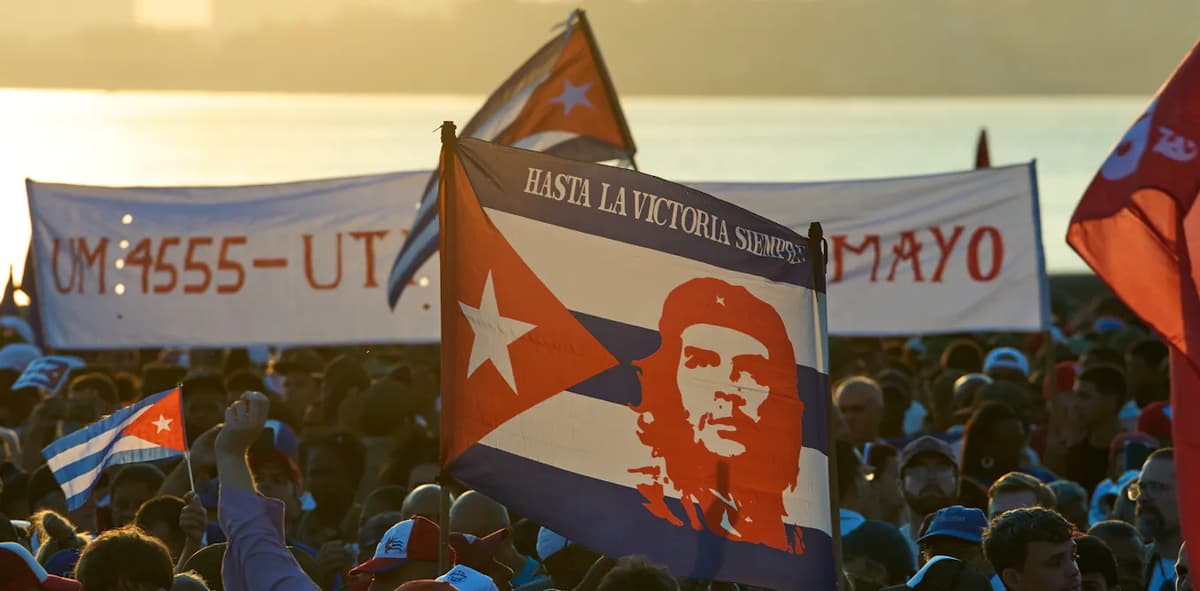
Why Is the US so Obsessed with Controlling Cuba?
Why It Matters
Escalating U.S. coercion threatens regional stability, hampers diplomatic progress, and raises stakes for American businesses eyeing Cuban market openings.
Key Takeaways
- •Trump’s sanctions target Cuban officials, state enterprises, and U.S.‑linked investors
- •U.S. intelligence flights over Cuba have doubled since early 2026
- •Cuban leadership offers limited talks on migration, drugs, and investment
- •Historical U.S. interventions shape current distrust and policy deadlock
Pulse Analysis
The United States’ fixation on Cuba is rooted in a strategic doctrine that dates back to the 1823 Monroe Doctrine, which asserted American dominance over the Western Hemisphere. Early 20th‑century actions, including the 1902 Platt Amendment and the brief military occupation, established a legal framework for periodic intervention whenever Washington deemed Cuban governance insufficient. This legacy of paternalism created a persistent narrative that Cuba is a sphere of U.S. influence, a view that resurfaces whenever American political leaders seek to leverage geopolitical leverage.
Under President Trump, that legacy has resurfaced with renewed vigor. In May 2026, the administration rolled out a fresh slate of sanctions targeting Cuban officials, state‑run enterprises, and entities linked to U.S. investors, while authorizing a surge of intelligence‑gathering flights along the island’s coastline. These moves signal a hardening stance that diverges sharply from the Obama‑era rapprochement, which had opened limited diplomatic channels and eased travel restrictions. For Cuban authorities, the pressure underscores a non‑negotiable demand for sovereignty, prompting them to offer narrowly scoped negotiations on migration, narcotics control, and limited investment opportunities.
The renewed tension carries tangible implications for businesses and regional security. Companies eyeing Cuba’s untapped tourism and agricultural sectors now face heightened compliance risk and potential asset freezes, while investors must navigate an increasingly volatile regulatory environment. Moreover, the escalation risks destabilizing the Caribbean’s delicate balance, echoing past missteps such as the Bay of Pigs invasion. Policymakers and analysts argue that a pragmatic, multilateral approach—recognizing Cuba’s right to self‑determination while addressing shared concerns like drug trafficking—offers a more sustainable path forward than coercive brinkmanship.
Why is the US so obsessed with controlling Cuba?
Comments
Want to join the conversation?
Loading comments...