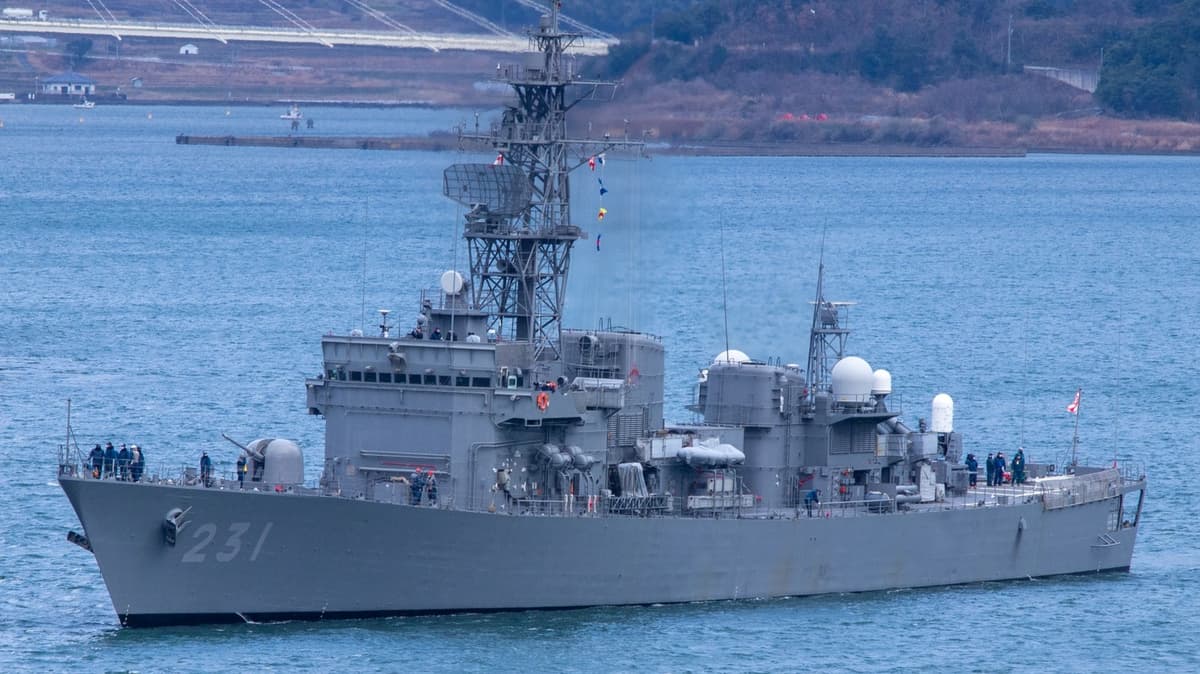
Why Japan's Decommissioned Navy Destroyers Are Being Eyed By Other Countries Now
Why It Matters
By allowing lethal exports, Japan can generate revenue from surplus warships and deepen security ties with allies, reshaping the naval balance in a contested Indo‑Pacific region.
Key Takeaways
- •Japan lifts 80‑year arms export ban for 17 partner nations
- •Decommissioned Abukuma‑class destroyers now marketable to foreign navies
- •Philippines previously bought six used destroyers to counter China
- •Each destroyer displaces 2,205 tons, carries Phalanx CIWS and Type 90 missiles
- •Sale could boost Japan’s defense industry while reshaping regional naval balance
Pulse Analysis
Japan’s decision to relax its post‑World‑II arms export constraints marks a watershed for the country’s defense policy. After more than 80 years of restricting lethal sales, Tokyo now authorizes transfers to 17 nations with formal security agreements, a move framed as a strategic tool rather than a shift away from its pacifist constitution. The policy reflects growing pressure on Japan to contribute more substantively to collective security, especially as the United States seeks greater burden‑sharing in the Indo‑Pacific. By opening a new export channel, Japan can monetize aging platforms and fund next‑generation shipbuilding programs, reinforcing its domestic defense industrial base.
The immediate commercial opportunity centers on the six Abukuma‑class escort destroyers slated for retirement. These 357‑foot vessels, displacing 2,205 tons and equipped with Phalanx CIWS, 76‑mm OTO Melara guns, torpedoes and Type 90 anti‑ship missiles, are well suited for littoral patrols and anti‑access missions. The Philippines, already a recipient of a 2025 six‑ship deal, is reportedly assessing additional units to counter China’s island‑building and assertive naval posture in the South China Sea. Other regional navies, such as Vietnam or Indonesia, could also view these ships as cost‑effective upgrades to their aging fleets, offering a bridge until they acquire newer platforms.
The broader implications extend beyond individual sales. Japan’s entry into the market for used warships could spur competition among traditional exporters like the United States and Europe, potentially driving down prices for second‑hand vessels. For Japan, the revenue stream supports its ambitious ship‑building roadmap, including next‑generation destroyers and submarines. Strategically, the redistribution of Japanese destroyers to allied navies enhances a network of interoperable platforms, strengthening collective deterrence against Chinese maritime expansion. As the policy matures, observers will watch how Tokyo balances commercial incentives with its constitutional constraints and the geopolitical sensitivities of arms transfers in a volatile region.
Why Japan's Decommissioned Navy Destroyers Are Being Eyed By Other Countries Now
Comments
Want to join the conversation?
Loading comments...