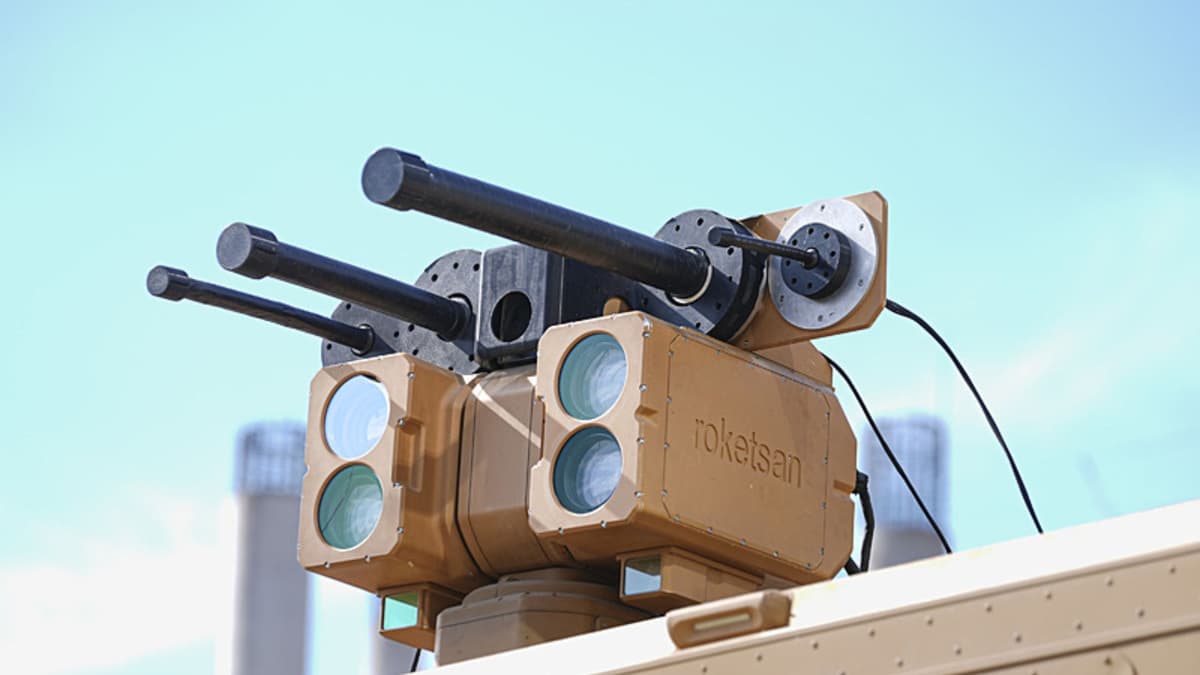
Why Pakistan Is Urgently Moving Toward Shipborne Laser Weapons
•February 10, 2026
0
Why It Matters
The acquisition gives Pakistan a rapid, low‑cost tool against loitering‑munition swarms, enhancing naval air‑defence and signalling a broader shift toward directed‑energy weapons in the region.
Key Takeaways
- •PN tender for two 10 kW shipborne lasers
- •Systems target C‑UAS swarms up to 2.5 km range
- •AI/ML required for sub‑100 ms sensor‑to‑effector latency
- •Integration with CMS, EW, CIWS and NCW stack
- •Vendor must provide 15‑year support and operational service history
Pulse Analysis
The rapid proliferation of low‑cost loitering munitions and swarm‑capable drones has forced navies worldwide to rethink ship‑board air‑defence. Directed‑energy weapons, especially high‑energy lasers, offer a near‑instantaneous, low‑cost kill option that bypasses traditional ammunition logistics and reduces collateral damage. The United States, United Kingdom and several European programs are already fielding 50‑60 kW systems, while emerging powers are experimenting with 10‑30 kW units for close‑in C‑UAS protection. This shift creates a new niche for vendors that can deliver mature, combat‑proven laser packages integrated with existing combat management systems.
Pakistan’s Navy formalised that niche on 4 December 2025, issuing a tender for two 10 kW laser weapon systems with a growth path to 30 kW. The contract demands 360‑degree coverage, sub‑100 ms sensor‑to‑effector latency, AI‑driven multi‑target engagement, and a self‑contained EO/IR tracker. Integration will be deep, linking the laser to the ship’s CMS, CIWS, electronic‑warfare suite and a network‑centric warfare (NCW) data‑link. Domestic firms such as NESCOM and the NRDI are slated to handle the integration, while the supplier must provide a 15‑year support commitment and proven operational service.
The tender signals a strategic pivot for the Pakistan Navy, positioning it at the entry tier of naval DEW adoption while keeping options open for future upgrades. Successful vendors—whether Chinese, Turkish or European—stand to secure follow‑on orders that could extend to the larger Tughril‑class frigates or new Jinnah‑class ships, potentially shaping the region’s anti‑ship defence architecture. For the broader defence market, the deal underscores growing demand for turnkey laser solutions that combine hardware, AI software and long‑term sustainment, making the emerging DEW segment a lucrative arena for established and emerging players alike.
Why Pakistan is Urgently Moving Toward Shipborne Laser Weapons
0
Comments
Want to join the conversation?
Loading comments...