Why the 60-Day War Powers Resolution Deadline Doesn’t Actually Constrain Presidents
Why It Matters
The failure to enforce the War Powers deadline leaves unilateral presidential military action unchecked, reshaping the constitutional balance and influencing U.S. foreign‑policy decisions.
Key Takeaways
- •Presidents routinely ignore the 60‑day War Powers deadline
- •Congressional disapproval requires a vote and can be vetoed
- •Supreme Court rulings eliminated the legislative veto, weakening Congress
- •Past conflicts (Kosovo, Libya) show same pattern of executive unilateralism
Pulse Analysis
The War Powers Resolution was born in the aftermath of Vietnam to force a joint decision‑making process between Congress and the president before committing troops abroad. Its 60‑day clock was meant to compel legislative approval or a timely withdrawal, but the statute’s language leaves room for interpretation—particularly around cease‑fires and “unavoidable military necessity.” As a result, the deadline has become a procedural milestone rather than an enforceable deadline, allowing presidents to stretch or pause the clock while maintaining a veneer of compliance.
Legal and political developments over the past five decades have steadily eroded Congress’s leverage. The 1983 Supreme Court decision that struck down the legislative veto forced lawmakers to pass a full disapproval resolution, which the president can veto like any other bill. Since then, only one such veto—against Trump’s first‑term action—has occurred, and it was not overridden. Historical cases, from Clinton’s 1999 Kosovo bombing to Obama’s 2011 Libya intervention, followed the same playbook: presidents issued War Powers notices, Congress hesitated, and the operations continued for months without formal authorization. These precedents illustrate a systemic pattern of executive dominance.
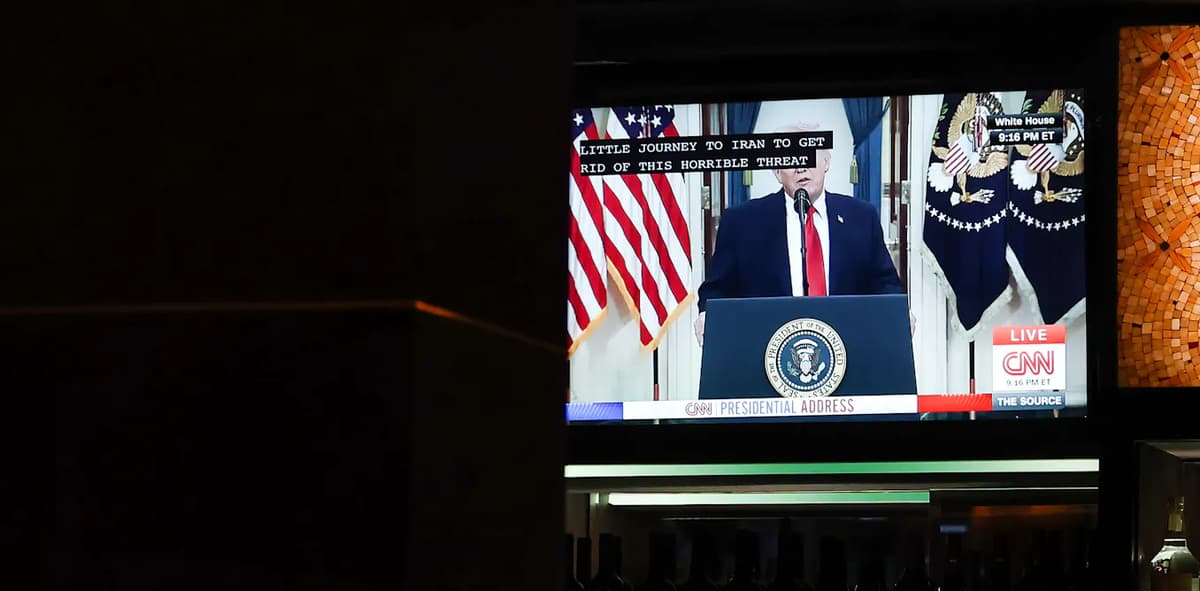
The current Iran conflict underscores the practical consequences of this imbalance. With the 60‑day mark looming, the Trump administration argues that a cease‑fire halts the clock, while Democrats raise constitutional concerns and contemplate litigation. Without a supermajority willing to confront a presidential veto, Congress is unlikely to halt the operation. This dynamic not only challenges the intended checks and balances but also raises questions about accountability, public opinion, and fiscal impact in an election year. Reforming the War Powers framework—perhaps by reinstating a true legislative veto or tightening the definition of “unavoidable necessity”—could restore a more meaningful congressional role in decisions of war and peace.
Why the 60-day War Powers Resolution deadline doesn’t actually constrain presidents
Comments
Want to join the conversation?
Loading comments...