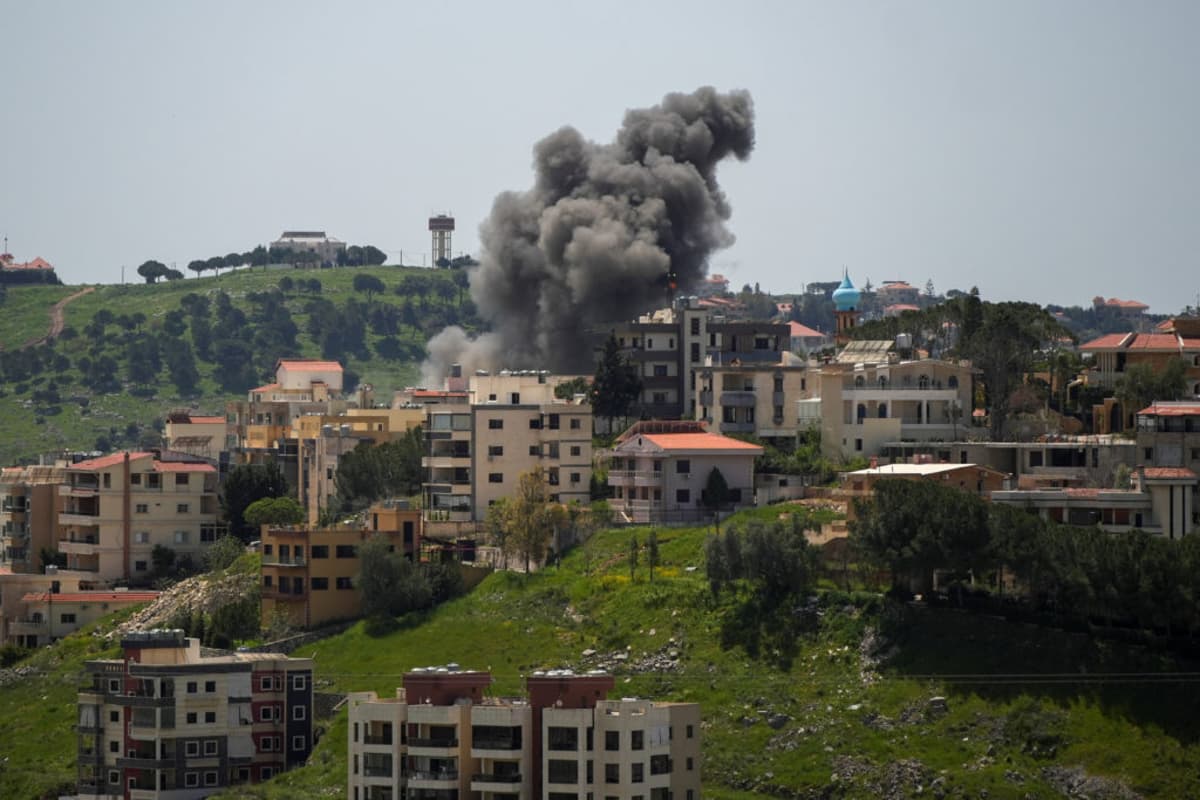
Why the Israeli and Lebanese Governments Accepted a Ceasefire – and Will Hezbollah Abide?
Why It Matters
The truce could create a diplomatic window for U.S.–Iran negotiations and curb a volatile front, while Hezbollah’s adherence will test Lebanese sovereignty and U.S. leverage in the region.
Key Takeaways
- •Trump pressured Netanyahu to halt hostilities for US‑Iran talks.
- •Lebanon demanded cease‑fire after two wars in 18 months.
- •Hezbollah claims victory but pledged to honor the truce.
- •Lebanese government seeks direct talks, avoiding Iran‑led negotiation track.
- •Future compliance hinges on US diplomatic leverage over Israel.
Pulse Analysis
The cease‑fire announced on April 16 was brokered by the United States after President Trump urged both sides to pause fighting. –Iran nuclear talks could proceed without a flare‑up on the Israeli‑Lebanese front. The ten‑day truce, initially limited, reflects Washington’s strategy of using regional conflicts as leverage in broader diplomatic negotiations. S. hopes to create a window for de‑escalation. The agreement also includes monitoring mechanisms to verify compliance on both sides.
Lebanon’s acceptance was less a concession than a demand born from war fatigue. In the past 18 months the country endured two major Hezbollah‑driven assaults that rattled Beirut and strained an economy comparable to Connecticut’s size. The Lebanese cabinet, seeking to reclaim diplomatic agency, presented a proposal for direct talks with Israel, a move rejected by Netanyahu months earlier. International donors have pledged additional aid contingent on a sustained peace. While Hezbollah celebrated the truce as a tactical win, it publicly pledged to enforce a comprehensive cease‑fire across Lebanese territory, leaving its long‑term compliance uncertain. The durability of the cease‑fire will test Washington’s ability to pressure Israel while keeping Hezbollah in check. S.
flexibility, it may accelerate its own negotiations, potentially reshaping the nuclear dialogue. S. deeper into a regional quagmire and undermining its credibility as a mediator. Analysts therefore watch the Lebanese government’s capacity to restrain Hezbollah as a bellwether for broader Middle‑East stability. S. policy will likely hinge on the cease‑fire’s success.
Why the Israeli and Lebanese governments accepted a ceasefire – and will Hezbollah abide?
Comments
Want to join the conversation?
Loading comments...