Why the Pakistan Air Force Likes Working With Baykar Group
Why It Matters
The partnership gives Pakistan indigenous drone capability and a local supply chain, enhancing its air‑power autonomy while expanding Baykar’s market foothold in South Asia.
Key Takeaways
- •PAF operates four Bayraktar TB2 drones and up to four Akıncı‑B UAVs.
- •Baykar co‑developed KaGeM V3 cruise missile and YiHA loitering munitions.
- •Baykar Technologies Pakistan subsidiary hired engineers for local drone production.
- •December 2025 talks aimed to assemble stealth Kızılelma drones in Pakistan.
- •CAS Sidhu met only Baykar, signaling deeper strategic partnership.
Pulse Analysis
Turkey’s Baykar Group has become the Pakistan Air Force’s preferred aerospace partner, a shift that reflects both nations’ strategic calculus. While Turkey’s state‑run firms like Turkish Aerospace Industries boast broader product lines, Baykar’s agile private‑sector model offers rapid customization, evident in the co‑development of the KaGeM V3 air‑launched cruise missile and the YiHA loitering‑munition series. These bespoke solutions address specific PAF operational gaps, reinforcing Pakistan’s push for a homegrown unmanned combat capability that reduces reliance on foreign suppliers.
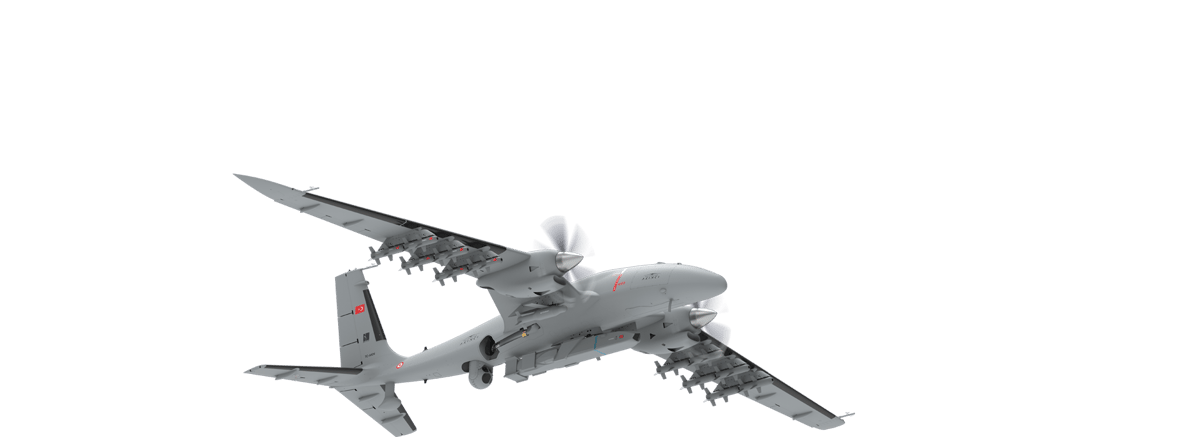
The relationship deepened after the PAF fielded four Bayraktar TB2 MALE drones and a small fleet of Akıncı‑B heavy UAVs, platforms that have proven effective in regional conflicts. Baykar’s decision to establish Baykar Technologies Pakistan as a direct subsidiary signals a transition from mere procurement to joint production. The subsidiary’s hiring surge for engineers suggests an ambition to move beyond assembly toward indigenous design, a move that aligns with Pakistan’s broader defense‑industrialization goals.
Recent diplomatic signals, including the May 2026 visit by CAS Sidhu exclusively to Baykar and the December 2025 Bloomberg report on stealth Kızılelma drone assembly talks, underscore a long‑term commitment. For Baykar, Pakistan offers a gateway to the South Asian market and a testbed for next‑generation UAVs. For Pakistan, the partnership promises technology transfer, local job creation, and a strategic edge in contested airspaces. This convergence of commercial agility and geopolitical need positions the Baykar‑PAF alliance as a case study in modern defense collaboration.
Why the Pakistan Air Force Likes Working With Baykar Group
Comments
Want to join the conversation?
Loading comments...