Why the US Can’t Copy Ukraine’s Robot Navy
Why It Matters
The shift highlights a strategic pivot: integrating autonomous systems into a traditional fleet while preserving human oversight, influencing future naval procurement and doctrine. It underscores that lessons from confined littoral conflicts may not scale to global maritime theaters.
Key Takeaways
- •Ukraine sank eight Russian warships using a few sea drones.
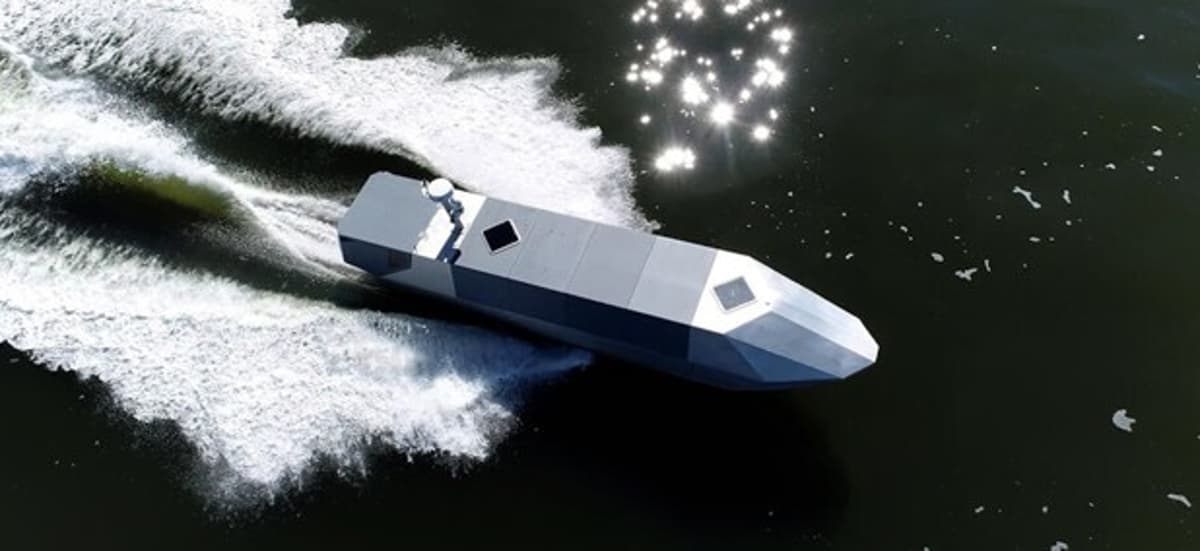
- •U.S. Navy acquired its first 145‑ton Sea Hawk unmanned trimaran.
- •By 2030, thousands of small unmanned surface vessels will join Pacific fleets.
- •Open ocean lacks cover, making Ukraine’s drone tactics unsuitable for the Pacific.
- •Human crews remain essential for blockade enforcement and unmanned system command.
Pulse Analysis
The U.S. Navy’s recent acquisition of the Sea Hawk unmanned trimaran marks a watershed moment in maritime robotics, but the platform’s integration into a carrier strike group reveals the complexity of scaling drone operations. Unlike Ukraine’s Black Sea theater, where dense coastal forests provide concealment, the Pacific’s open expanse forces unmanned vessels to contend with continuous satellite and radar surveillance. Consequently, designers must balance speed, endurance, and low cost—attributes that often conflict—making the unmanned surface vehicle resemble a traditional frigate in capability rather than a cheap, disposable weapon.
Strategic planners are also wrestling with the doctrinal implications of autonomous systems in high‑stakes missions such as blockades. Recent Red Sea operations, including the interception of Iranian cargo ships by the USS Spruance, demonstrate that manned platforms remain indispensable for rules‑of‑engagement decisions and rapid response. While unmanned assets can extend situational awareness and support logistics, they lack the legal and ethical authority to execute lethal actions without direct human oversight, reinforcing the Navy’s hybrid approach of mixed manned‑unmanned task forces.
Looking ahead, the projected deployment of thousands of small unmanned surface vessels by 2030 will reshape ship architecture. Existing frigates and destroyers are being retrofitted with modular containers to house air, surface, and undersea drones, accelerating the transition toward a more flexible, network‑centric fleet. Yet, command and control structures will evolve slowly, retaining senior officers as ultimate decision‑makers. This blend of cutting‑edge robotics with entrenched human leadership signals a nuanced evolution rather than a wholesale replacement of traditional naval power.
Why the US can’t copy Ukraine’s robot navy
Comments
Want to join the conversation?
Loading comments...