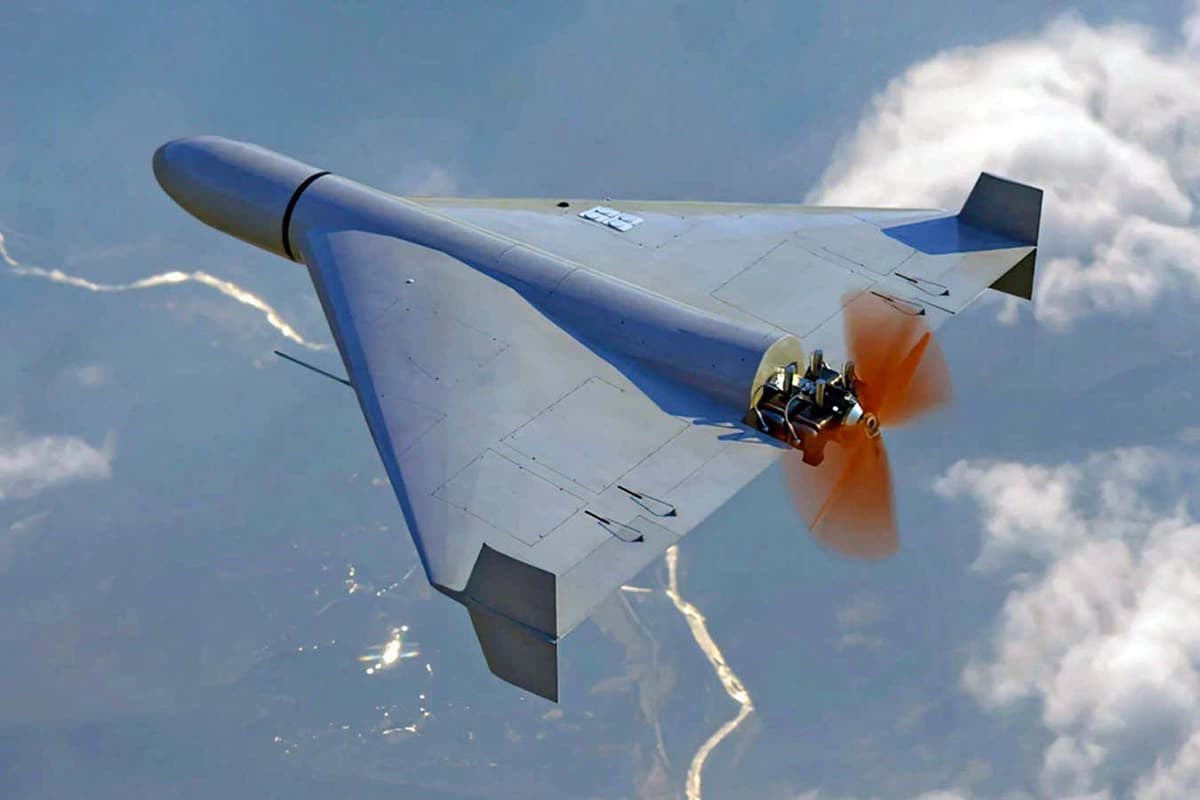
Why the US Is Using a Cheap Iranian Drone Against the Country Itself
•March 3, 2026
0
Why It Matters
Cheap loitering munitions let the U.S. sustain pressure on Iranian forces without depleting high‑value assets, reshaping cost‑per‑kill calculations in modern warfare. This approach could accelerate adoption of affordable drones across other theaters.
Key Takeaways
- •US fielding Iranian‑designed Shahed‑136 drones
- •Unit cost around $50,000, far cheaper than missiles
- •Payload 15 kg, range 2,500 km, speed 185 km/h
- •Low cost enables high‑volume attrition tactics
- •Highlights shift toward affordable loitering munitions
Pulse Analysis
The Shahed‑136, originally designed by Iran’s Shahed Aviation Industries, is a 2.6‑metre loitering munition that can deliver a 15‑kilogram warhead over 2,500 kilometres for as little as $50,000. While the United States possesses hypersonic missiles and fifth‑generation fighters, the sheer affordability of the Shahed‑136 makes it attractive for high‑intensity environments where attrition rates are unpredictable. By reverse‑engineering the Iranian design, the U.S. can field a platform that saturates air‑defence networks without exhausting expensive precision‑guided munitions, effectively adding a low‑cost layer to its strike portfolio.
In the Gulf, where contested airspace and dense missile defenses challenge traditional air power, the cheap drone offers a pragmatic solution. Its slow speed and modest payload are offset by the ability to launch large numbers, overwhelming enemy sensors and forcing costly intercepts. Logistically, the drones require minimal maintenance and can be produced in existing supply chains, reducing the burden on forward bases. This mass‑attrition model aligns with the U.S. Department of Defense’s “low‑cost, high‑volume” doctrine, allowing commanders to trade quantity for survivability.
The adoption of the Shahed‑136 signals a broader shift toward affordable loitering munitions across the defense industry. Competitors in Europe and Asia are accelerating development of similar cheap strike drones, recognizing that cost‑per‑kill will dominate procurement decisions in the next decade. For policymakers, the challenge will be balancing the proliferation of low‑cost weapons with escalation control, as inexpensive platforms lower the threshold for kinetic engagement. As the U.S. refines its doctrine, the cheap drone may become a staple in both conventional and gray‑zone operations.
Why the US is using a cheap Iranian drone against the country itself
0
Comments
Want to join the conversation?
Loading comments...