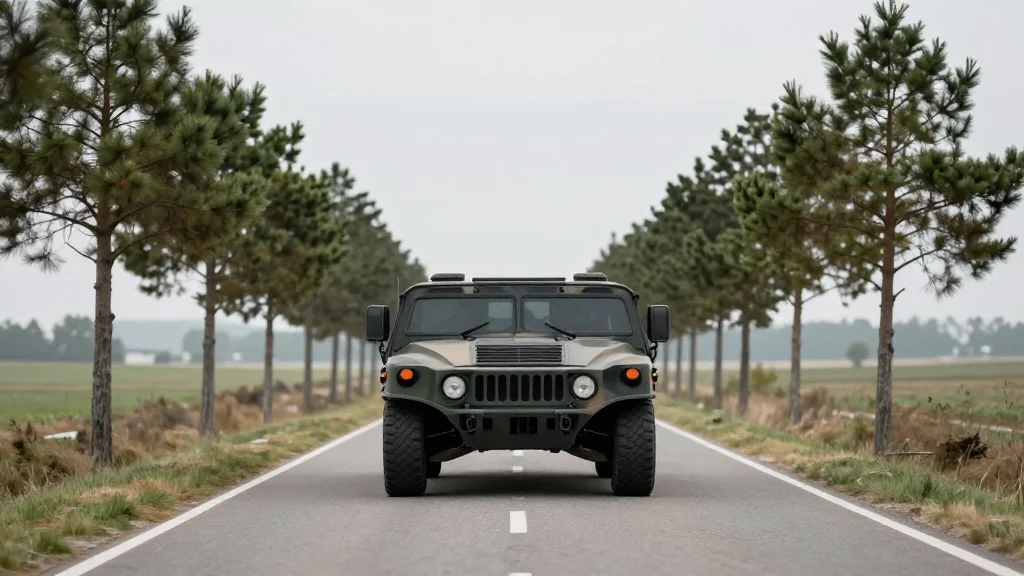
Why Trump’s Threat to Pull Even More US Troops Out of Germany Is Causing Unease in Europe
Why It Matters
The withdrawal deepens trans‑Atlantic mistrust and may diminish NATO’s ability to counter Russian aggression, while domestic congressional pushback could constrain Trump’s broader security agenda.
Key Takeaways
- •Trump orders withdrawal of ~5,000 troops from Germany
- •Total US presence in Europe remains about 70,000 personnel
- •Cancellation of intermediate‑range missile battalion weakens NATO deterrence
- •EU fears phased drawdowns could erode US security guarantees
- •Congressional leaders voice concern, signaling potential pushback
Pulse Analysis
The latest U.S. troop pullback from Germany underscores a growing rift between Washington and its European allies. President Trump’s demand for a deeper reduction, beyond the announced 5,000‑person cut, follows a contentious debate over the U.S. strike on Iran and a sharp criticism from German Chancellor Friedrich Merz. While the overall American presence in Europe stays roughly 70,000 strong, the removal of the 2nd Cavalry Regiment and the cancellation of an intermediate‑range missile battalion erode the forward‑deployed capabilities that have underpinned NATO’s deterrence against Russian escalation. This shift forces European capitals to reassess their own defense spending and contingency plans, especially as the EU grapples with the prospect of “salami‑slicing” drawdowns that could gradually weaken collective security.
NATO’s strategic calculus is now under pressure. The alliance, which relies heavily on U.S. logistical hubs in Germany and Britain for operations in the Middle East and Africa, must contend with reduced forward basing and the loss of a missile counter‑deployment originally intended to balance Russia’s short‑range systems near its borders. European defense ministers warn that without swift U.S. replacements, gaps could emerge in air‑defense coverage and rapid‑reaction forces, compelling member states to divert scarce resources to fill the void. The situation also highlights the delicate balance between U.S. domestic politics and trans‑Atlantic commitments, as congressional leaders from both parties have publicly expressed concern over the President’s unilateral actions.
For businesses and investors, the geopolitical turbulence translates into heightened risk across sectors tied to defense, energy, and automotive supply chains. Higher tariffs on EU cars and trucks, coupled with uncertainty over U.S. military logistics, could strain German automakers already navigating a competitive global market. Moreover, the potential for a prolonged diplomatic standoff may affect cross‑border investments and the stability of markets that depend on predictable security environments. Stakeholders should monitor congressional hearings, NATO deliberations, and any diplomatic overtures aimed at de‑escalating the dispute, as these will shape the longer‑term outlook for European defense spending and trans‑Atlantic trade relations.
Why Trump’s threat to pull even more US troops out of Germany is causing unease in Europe
Comments
Want to join the conversation?
Loading comments...