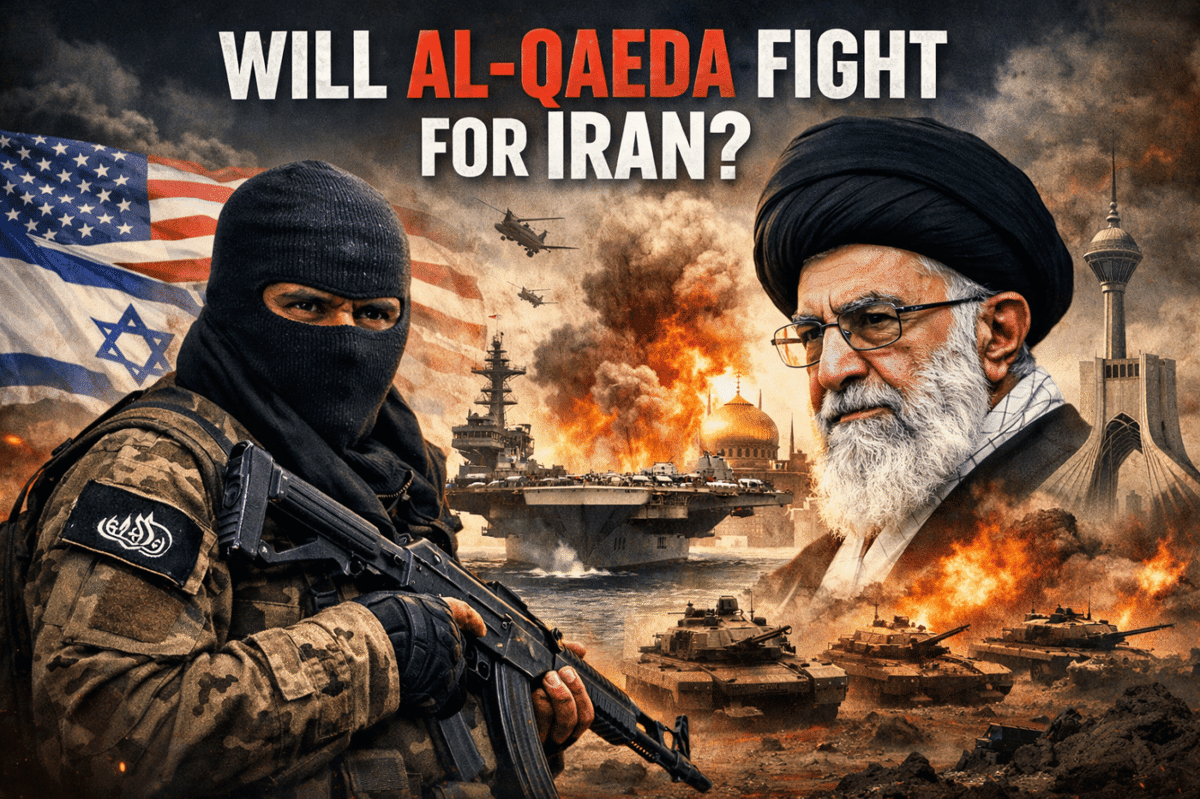
Key Takeaways
- •Al-Qaeda operates from Iran, estimated 25,000 fighters worldwide.
- •Recent statement calls attacks on US carriers, aligns with Tehran.
- •Iran uses Al-Qaeda for deniability against US and Israel.
- •Sectarian rifts persist, but pragmatic cooperation continues.
- •US escalation may trigger Al-Qaeda‑Iran joint actions.
Pulse Analysis
Iran’s relationship with Al‑Qaeda dates back to the early 2000s, when the group fled Afghanistan and found refuge on Tehran’s soil. Over the past two decades, the sanctuary has evolved from a passive hideout into a strategic partnership: Iran gains a proxy capable of striking Western interests, while Al‑Qaeda enjoys logistical support, funding channels, and a shield against direct retaliation. This tacit alliance has allowed the network to rebuild its command structure, leveraging Iran’s regional influence to re‑establish links with affiliates across Africa and Asia.
The latest Al‑Qaeda Central Command communique marks a shift from propaganda to operational intent. By explicitly calling for attacks on U.S. aircraft carriers and framing the U.S.–Israel buildup as a “Zionist‑Crusader” campaign, the group signals readiness to translate rhetoric into kinetic action. Coupled with an estimated 25,000 fighters—fifty times its 9/11 size—and growing sophistication in AI‑driven propaganda and cyber capabilities, Al‑Qaeda now poses a more credible threat than in recent years. Its media wing, Al‑Sahab, has revived, amplifying calls for jihad and potentially coordinating with Iran‑backed militias such as the Houthis.
For Washington, the convergence of Iranian state support and Al‑Qaeda’s renewed vigor complicates an already volatile security environment. A coordinated strike against U.S. naval assets could force a broader regional conflict, drawing in Shia militias and Sunni insurgents alike. Policymakers must weigh the risks of escalating military pressure on Iran against the possibility of provoking a joint Iran‑Al‑Qaeda offensive. Strengthening intelligence sharing with regional partners, targeting financial lifelines, and calibrating naval deployments will be essential to deter a scenario where Tehran’s long‑term investment in Al‑Qaeda yields tangible battlefield value.
Will Al-Qaeda Actually Fight for Iran?
Comments
Want to join the conversation?