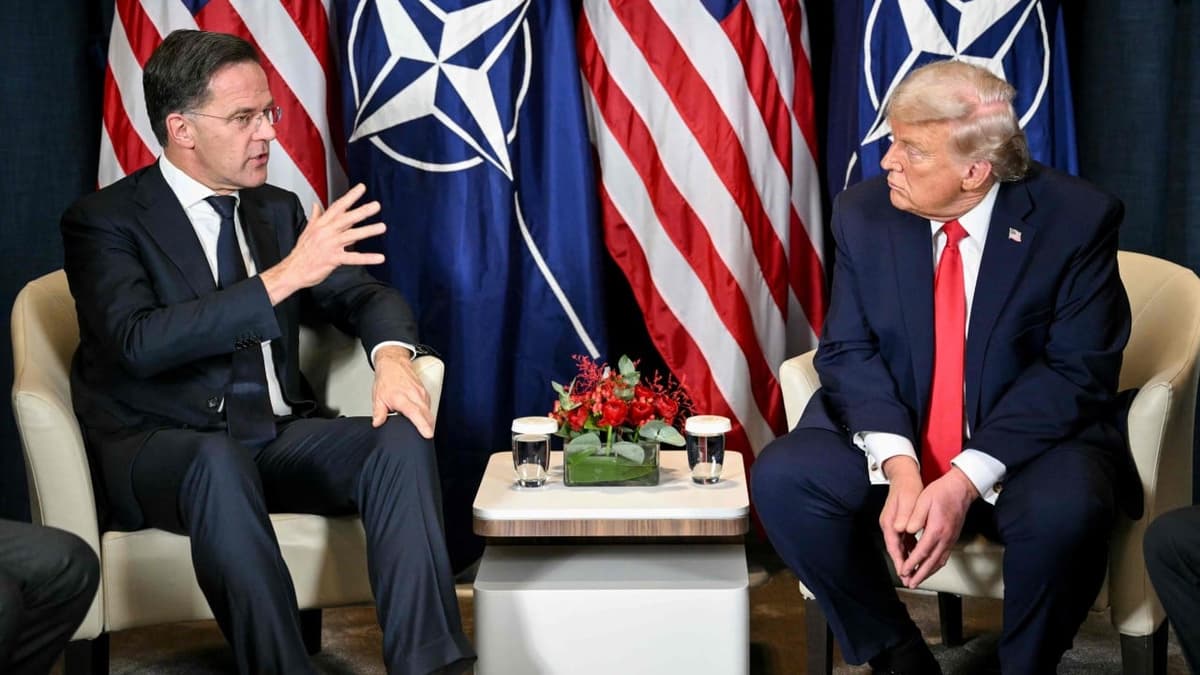
Will Trump’s Iran War ‘Loyalty Test’ Spell the End of Nato?
Why It Matters
The dispute highlights deepening transatlantic strain that could weaken collective defense commitments and reshape Europe’s security posture. A hollowed‑out NATO would alter global power balances and affect energy‑security markets.
Key Takeaways
- •Trump calls NATO a “paper tiger” and threatens withdrawal
- •Rutte says allies are slowly increasing defense contributions
- •Sun predicts NATO may become a nominal alliance, not dissolve
- •Energy markets could destabilize if Strait of Hormuz stays closed
Pulse Analysis
The latest flare‑up between the United States and Iran has become a litmus test for NATO’s cohesion. Trump’s public denouncement of the alliance as a “loyalty test” and his threats to relocate U.S. forces or even annex Greenland underscore a broader strategy to pressure European partners into higher burden‑sharing. While NATO Secretary‑General Mark Rutte reassured that allies are stepping up, the pace of logistical support remains uneven, exposing long‑standing grievances over U.S. dominance in the transatlantic security architecture.
Analysts in Beijing, such as Sun Chenghao of Tsinghua University, argue that the Iran crisis may accelerate NATO’s shift from an operational coalition to a largely symbolic entity. The alliance’s institutional inertia—shared nuclear umbrella, intelligence networks, and integrated command structures—still binds Europe to Washington, yet political will is eroding. If the United States continues to leverage troop deployments and financial contributions as bargaining chips, member states could opt for “limited alignment,” cooperating on narrow issues like Strait of Hormuz security while distancing themselves from broader U.S. war aims.
The stakes extend beyond geopolitics to global markets. The Strait of Hormuz processes roughly 20% of world oil; any prolonged closure would spike energy prices, raise shipping insurance costs, and strain European economies already coping with inflation and supply‑chain disruptions. Europe’s experience during the Ukraine war—rapidly cutting Russian gas imports—demonstrates both the vulnerability and the adaptability of its energy strategy. As the U.S.-Iran cease‑fire hangs in the balance, NATO’s ability to present a united front will be a decisive factor in maintaining market stability and preventing a deeper fragmentation of the transatlantic alliance.
Will Trump’s Iran war ‘loyalty test’ spell the end of Nato?
Comments
Want to join the conversation?
Loading comments...