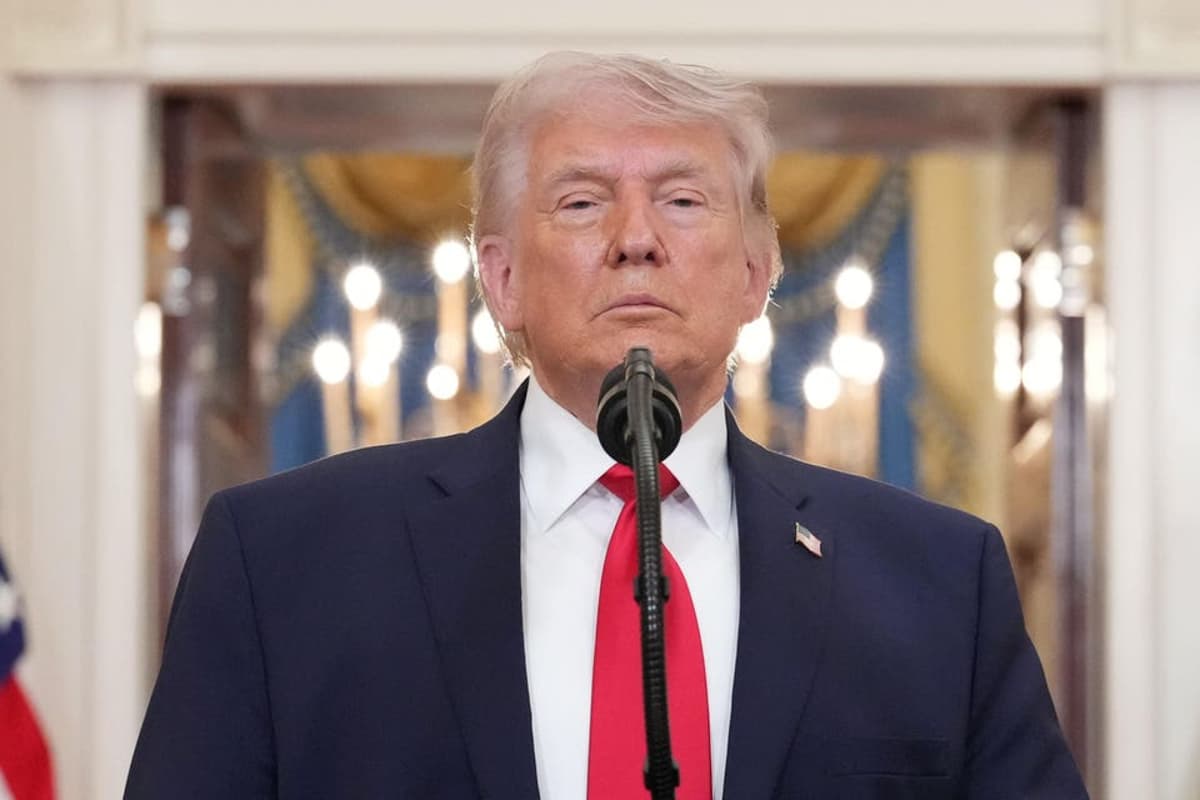
Will Trump's Temporary US-Iran Ceasefire Hold? Expert Weighs In
Why It Matters
The cease‑fire prevents a direct US‑Iran clash that could expand the Middle East conflict and destabilize global energy markets, making its durability a key barometer for regional security.
Key Takeaways
- •Cease‑fire is a tactical pause, not a long‑term settlement
- •Both Washington and Tehran face intense domestic political scrutiny
- •Any accidental strike could instantly collapse the truce
- •Back‑channel diplomacy remains the primary mechanism sustaining peace
- •Regional actors monitor the truce as a signal for broader negotiations
Pulse Analysis
The temporary US‑Iran cease‑fire, announced in early April, represents a rare diplomatic opening after months of hostile posturing. While the agreement does not resolve underlying disputes—such as Tehran’s support for proxy groups and Washington’s concerns over nuclear proliferation—it provides a narrow window for de‑escalation. Analysts point to the cease‑fire’s reliance on discreet communication channels, which allow both capitals to manage crises without public grandstanding. This behind‑the‑scenes approach reduces the risk of misinterpretation that could otherwise trigger a rapid escalation, especially in the strategically sensitive Strait of Hormuz where naval encounters are frequent.
From a business perspective, the truce carries immediate implications for energy markets. Iran is a major oil exporter, and any conflict involving the United States could disrupt shipments through the Persian Gulf, spiking crude prices worldwide. The cease‑fire’s continuation thus helps stabilize oil benchmarks, supporting global supply chains and keeping inflation pressures in check. Moreover, multinational corporations with exposure to the region—particularly in aerospace, defense, and energy services—are closely monitoring the situation to adjust risk assessments and investment timelines.
Looking ahead, the durability of the cease‑fire will likely hinge on broader diplomatic efforts, including indirect talks on the nuclear dossier and regional security frameworks. If the pause holds, it could pave the way for confidence‑building measures, such as limited prisoner exchanges or joint humanitarian initiatives, that gradually reduce tensions. Conversely, a breakdown would not only reignite military confrontations but also reverberate through financial markets, prompting a reassessment of risk premiums across emerging‑market assets. Stakeholders therefore view the cease‑fire as a litmus test for the effectiveness of back‑channel diplomacy in averting a larger Middle Eastern conflagration.
Will Trump's Temporary US-Iran Ceasefire Hold? Expert Weighs In
Comments
Want to join the conversation?
Loading comments...