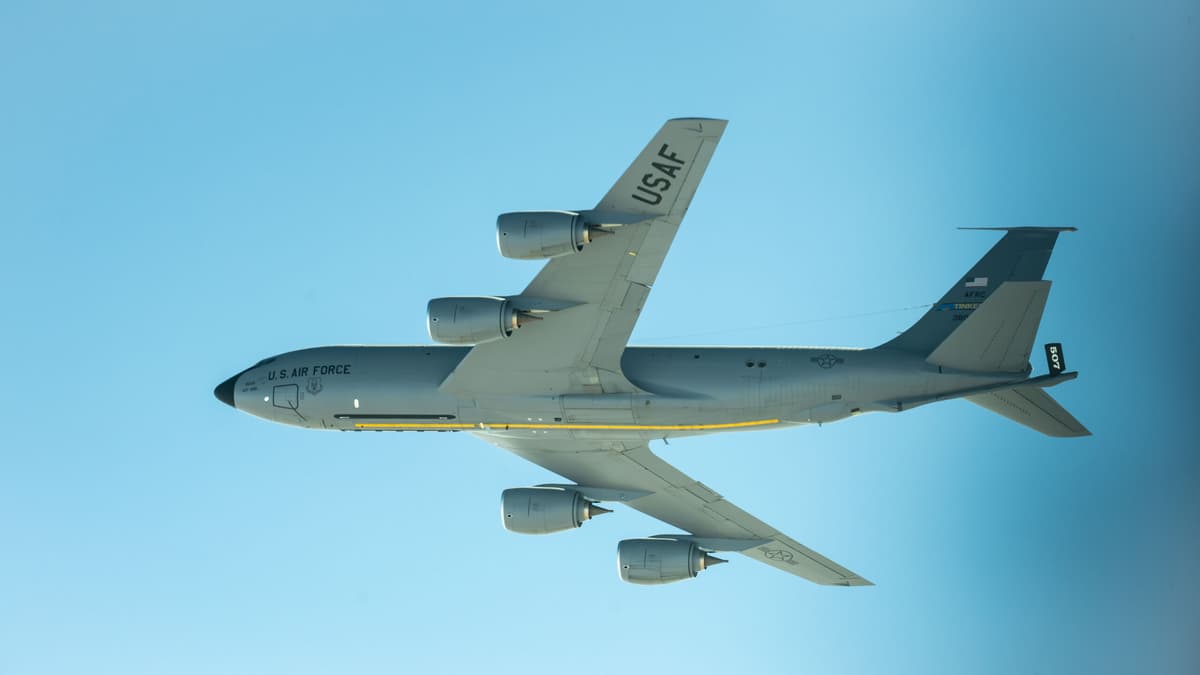
Wilsbach: KC-135s Damaged in Epic Fury Will Return to Service, Some Will Take ‘Year or Two’
Companies Mentioned
Why It Matters
Restoring the KC‑135 fleet preserves the United States’ global aerial refueling reach, a critical enabler for sustained air operations in the Middle East. The procurement of KC‑46s signals a strategic shift toward newer platforms while mitigating the risk of future tanker shortages.
Key Takeaways
- •Six KC-135 tankers damaged; most already back in flight
- •Heavily damaged refuelers may need one to two years for repairs
- •Five hit by Iranian missile; one destroyed in midair collision
- •Air Force mitigated loss by deploying additional tankers to region
- •KC-46 Pegasus purchases aim to offset KC-135 shortfall
Pulse Analysis
Operation Epic Fury highlighted the vulnerability of the aging KC-135 fleet when five tankers were struck by an Iranian missile at Prince Sultan Air Base and a sixth suffered a mid‑air collision. While the attacks destroyed one aircraft, the remaining five sustained damage ranging from superficial shrapnel to severe structural impairment. The Air Force’s rapid response—patching the aircraft, ferrying them to repair sites, and even pulling a spare from the boneyard—demonstrates the logistical agility required to sustain aerial refueling capabilities in contested environments.
Repair crews have already returned most of the damaged KC-135s to flight status, but the most heavily damaged units are projected to remain out of service for up to two years. During this interim, the Air Force mitigated the short‑term shortfall by reallocating other tanker assets, ensuring sortie generation remained largely unaffected. This approach underscores the importance of a flexible tanker fleet and the ability to surge capacity quickly, a lesson that resonates across all branches of the U.S. military engaged in high‑tempo operations.
Looking ahead, the Air Force’s 2027 budget calls for 15 additional KC-46 Pegasus tankers, a move designed to replace lost KC-135 capacity and advance the service’s broader recapitalization strategy. Decision‑makers are weighing the damaged KC-135s as a factor in future basing allocations, linking operational resilience to procurement planning. The transition to newer, more survivable platforms like the KC-46 not only modernizes the refueling fleet but also reduces reliance on legacy aircraft vulnerable to emerging threats, reinforcing the United States’ strategic airlift and power‑projection posture.
Wilsbach: KC-135s Damaged in Epic Fury Will Return to Service, Some Will Take ‘Year or Two’
Comments
Want to join the conversation?
Loading comments...