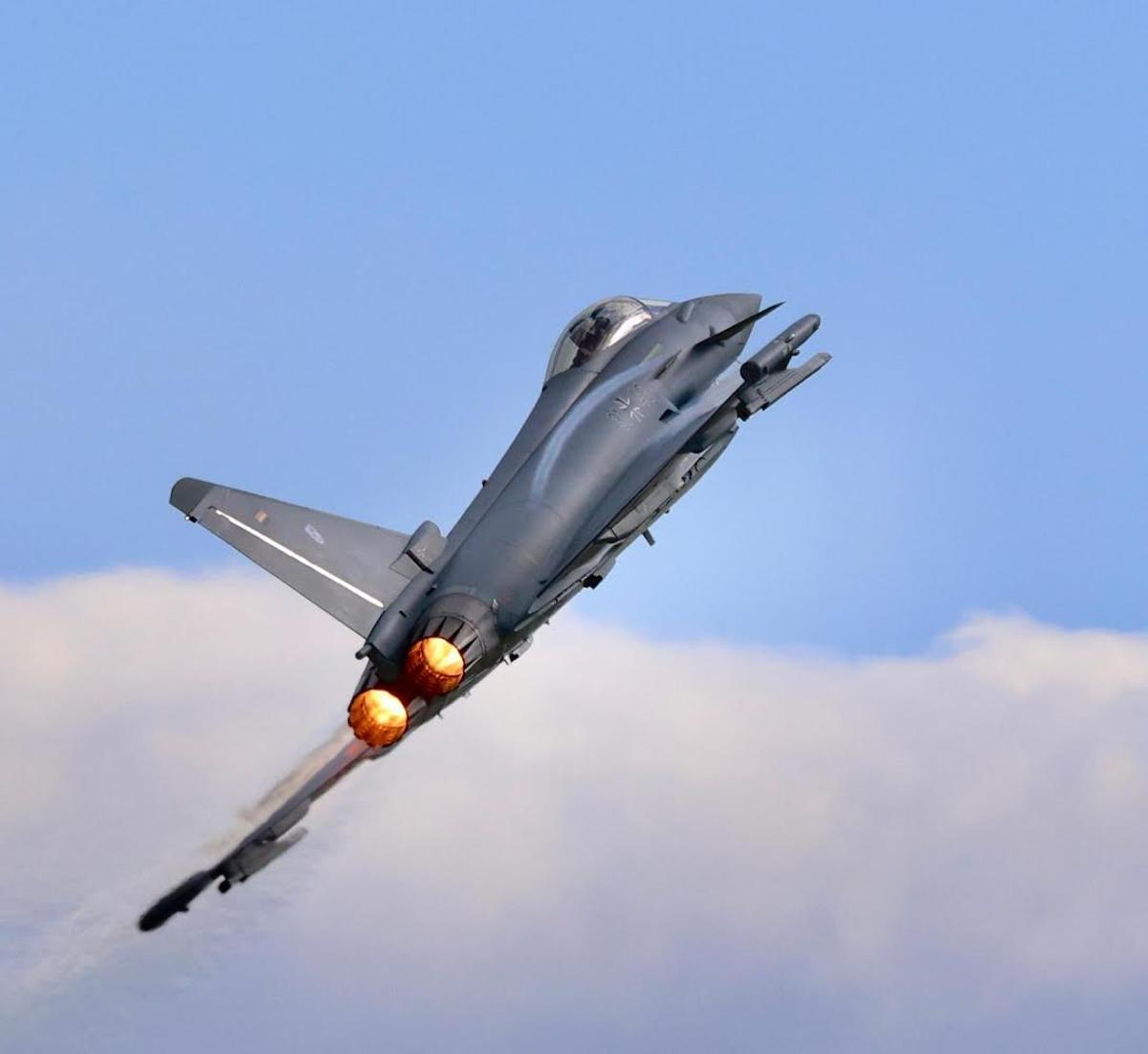
With $864B in Military Budget, Europe Inches Closer to U.S. in Defense Spending; Registers 102% Growth
Why It Matters
The rapid escalation reshapes global defense economics, boosting Europe’s strategic clout and creating new market opportunities for arms manufacturers, while raising concerns about a renewed European militarization trend.
Key Takeaways
- •Europe's defense spend hit $864 B, 102% growth since 2016
- •Europe now accounts for 30% of global military spending
- •Germany leads Europe with $114 B budget, fourth worldwide
- •Belgium's defense budget rose 59% YoY, highest global increase
- •European arms imports jumped to 33% of world total, tripling share
Pulse Analysis
Europe’s defense spending boom reflects a seismic shift in post‑Cold‑War security dynamics. SIPRI’s 2025 data shows the continent’s budget climbing to $864 billion, a 14% jump from the previous year and a 102% rise over the past decade. This surge narrows the traditional U.S. dominance, with Europe now holding 30% of global military outlays, just behind America’s 33%. The primary catalyst is the Russia‑Ukraine conflict, which has reignited conscription, heightened NATO alertness, and forced European capitals to reassess long‑standing reliance on U.S. security guarantees.
The spending surge is translating into a dramatic transformation of Europe’s arms market. Between 2021 and 2025, the region captured 33% of worldwide arms imports, up from a modest 12% a decade earlier, effectively tripling its share. While Germany, the United Kingdom, and the Netherlands remain top importers, Ukraine and Poland now dominate the regional demand, reflecting frontline needs. The United States still supplies the majority—58%—of these imports, underscoring transatlantic interdependence but also exposing Europe’s reliance on external suppliers. Defense firms across the continent are scrambling to expand domestic production capabilities to meet the new demand curve.
Strategically, NATO’s recent “Hague Investment Plan” targets a 5% GDP commitment to defense by 2035, signaling a long‑term fiscal commitment that could reshape European industrial policy. If realized, this could fuel a wave of domestic R&D, joint procurement programs, and supply‑chain diversification, potentially reducing import dependence. However, the rapid militarization also raises geopolitical risks, reviving fears of a Europe‑centric arms race reminiscent of the early 20th century. Policymakers must balance security imperatives with economic sustainability to avoid over‑extension while capitalising on the burgeoning defence market.
With $864B in Military Budget, Europe Inches Closer to U.S. in Defense Spending; Registers 102% Growth
Comments
Want to join the conversation?
Loading comments...