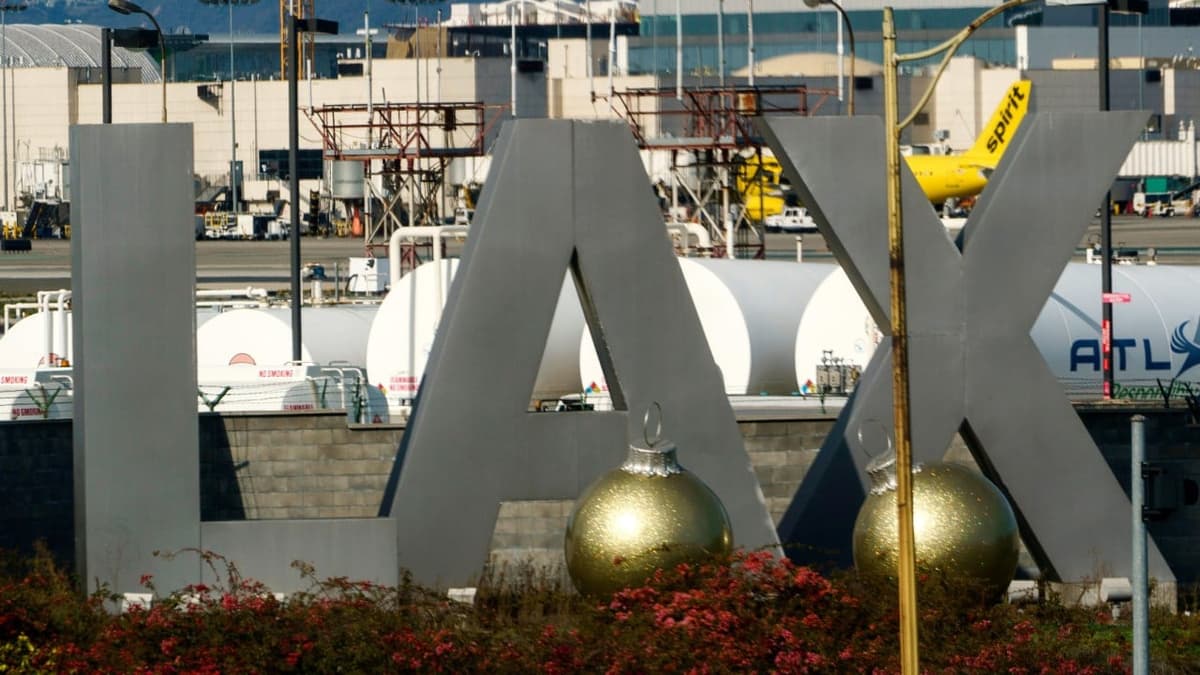
Woman Charged in US with Trafficking Arms to Sudan for Iranian Government
Why It Matters
The arrest signals a robust U.S. effort to disrupt Iran’s covert weapons supply chains that exacerbate the Sudan war, while sending a deterrent message to other actors facilitating illicit arms trade.
Key Takeaways
- •Iranian national Shamim Mafi arrested at LAX for arms brokering
- •Charged with selling drones, bombs, ammunition to Sudan
- •Faces up to 20 years in federal prison if convicted
- •Highlights US crackdown on Iran's illicit weapons networks
- •External arms flow worsens Sudan's humanitarian crisis
Pulse Analysis
Iran’s clandestine arms export operations have long leveraged diaspora networks to bypass sanctions, and the Mafi case illustrates how those channels intersect with U.S. immigration and law‑enforcement frameworks. By targeting a permanent resident who allegedly coordinated the transfer of drones, bomb fuses and bulk ammunition, federal prosecutors demonstrate an expanding investigative reach that combines customs inspections, financial forensics and intelligence sharing. This approach not only disrupts a specific shipment pipeline but also signals to Iran’s broader illicit supply chain that U.S. authorities are willing to pursue actors on American soil.
Sudan’s protracted conflict, now in its fourth year, has been intensified by the influx of foreign weaponry, including Iranian‑manufactured drones that have altered battlefield dynamics. The United Nations warns the country is on the brink of full‑scale famine, and external arms supplies are identified as a key driver of the violence that fuels the humanitarian disaster. While regional powers such as Egypt and Saudi Arabia back the Sudanese army, the United Arab Emirates has been accused—though not formally charged—of arming the rival Rapid Support Forces. The Mafi indictment adds a concrete example of how Iranian arms are feeding this volatile mix, complicating diplomatic efforts to achieve a ceasefire.
For U.S. policymakers, the case reinforces the strategic importance of enforcing existing sanctions and expanding export‑control mechanisms. It also highlights the need for coordinated international action to stem the flow of weapons into conflict zones, a priority that aligns with broader non‑proliferation goals. As Iran continues to seek revenue streams through illicit sales, the U.S. may increase pressure on financial institutions and tighten monitoring of cargo shipments, aiming to curtail the resources that sustain wars like Sudan’s and protect global security interests.
Woman charged in US with trafficking arms to Sudan for Iranian government
Comments
Want to join the conversation?
Loading comments...