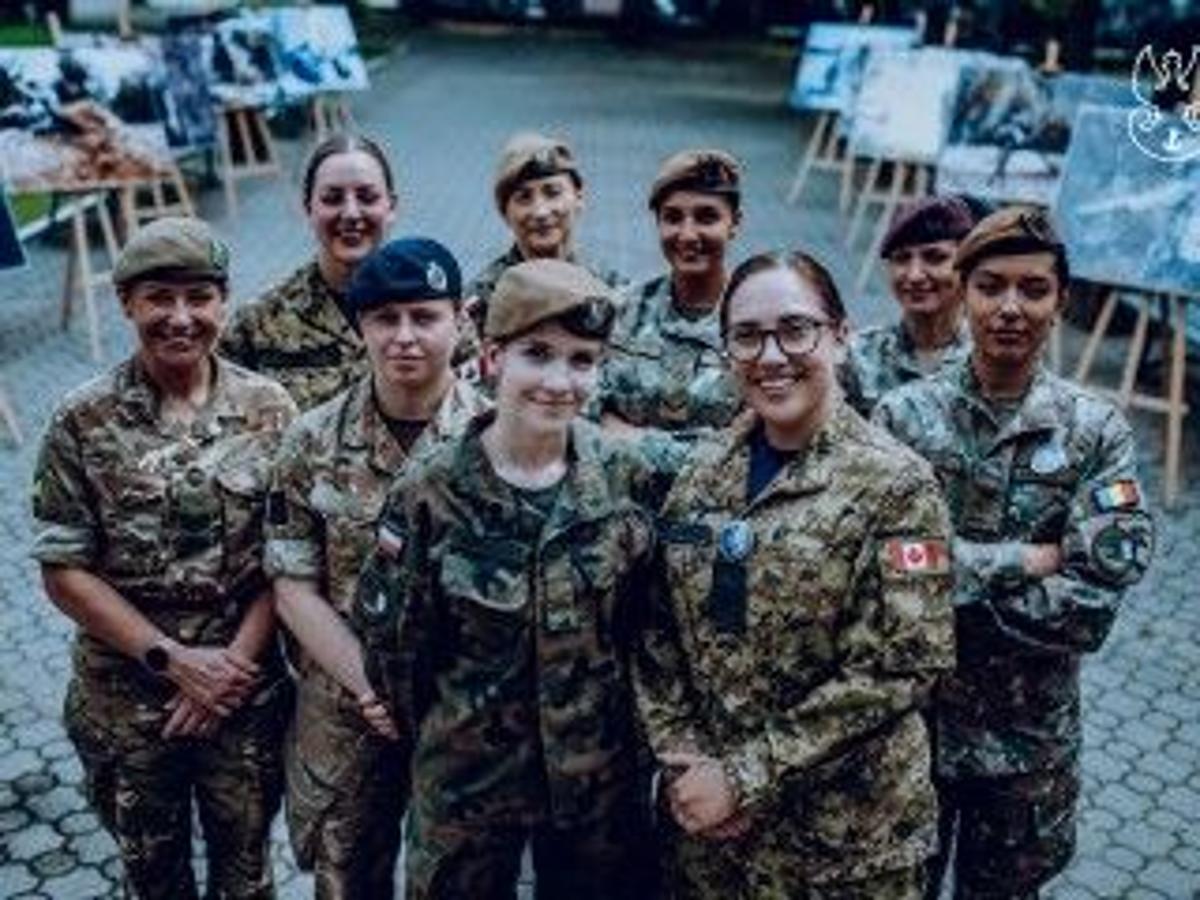
Women in Combat: The Untold Story of Modern Warfare
•March 8, 2026
0
Why It Matters
By unlocking half the population’s technical talent, Ukraine improves combat effectiveness and sets a template for modern militaries worldwide. The model demonstrates that gender integration strengthens, rather than dilutes, fighting capability.
Key Takeaways
- •70,000 Ukrainian women serve; 10,000 on frontlines
- •Women dominate drone and unmanned‑system roles
- •Female recruitment in combat tech rose 20%
- •Mixed units boost productivity and battlefield effectiveness
- •Global militaries confirm women strengthen combat forces
Pulse Analysis
The Ukrainian war has become a proving ground for a new kind of combat where precision tools replace brute strength. As the front line stretches across the east, women have stepped into roles that demand mathematical acuity, rapid decision‑making and composure under fire. From basements five kilometres from the front, 26‑year‑old drone operators guide FPV aircraft that locate and neutralize enemy armor, while former civilians such as restaurant managers and hockey players transition into unmanned‑systems units. This technology‑first approach has expanded the talent pool beyond the dwindling pool of conscripted men, allowing Ukraine to field a force that is both larger and more adaptable.
Operational data from the Khartiia Corps and the Hospitallers Medical Battalion shows that mixed‑gender squads outperform single‑gender formations in both speed of execution and casualty survival rates. Female soldiers now command artillery batteries, serve as snipers, and lead combat‑medic teams, often exceeding the performance metrics of their male counterparts. The 20 percent rise in women occupying combat‑technology positions has translated into faster intelligence cycles and more effective drone strikes, reinforcing the argument that diverse skill sets enhance battlefield resilience. These outcomes echo findings from NATO allies that have fully integrated women into combat roles.
The Ukrainian experience is reshaping defense recruitment strategies across the West. Countries such as the United States, Britain and Germany, which already allow women in all combat positions, are now emphasizing STEM proficiency and cyber expertise over traditional physical benchmarks. Policymakers are re‑evaluating conscription models to capture the full spectrum of national talent, recognizing that future conflicts will hinge on data analysis, autonomous systems and rapid innovation. As Ukraine demonstrates the strategic advantage of gender‑inclusive, technology‑driven forces, other militaries are likely to accelerate reforms, ensuring they remain competitive in an era where brains outweigh brawn.
Women in combat: the untold story of modern warfare
0
Comments
Want to join the conversation?
Loading comments...