The developments signal escalating geopolitical friction, shifting energy supply chains, and resilient trade dynamics that could reshape global markets and security calculations.
The threat from Russia’s naval leadership reflects a broader strategy to counter Western sanctions that have targeted over 30,000 entities since the Ukraine conflict began. By signaling possible retaliation against European shipping, Moscow aims to deter further asset seizures and maintain a foothold in critical maritime routes. Analysts note that such rhetoric could translate into real naval deployments, raising insurance premiums and prompting NATO to reassess its maritime posture in the Black Sea and surrounding waters.
Energy markets are simultaneously undergoing realignment. Rosatom’s decision to release Siemens from the Paks II project illustrates the fragility of cross‑border nuclear collaborations under geopolitical strain, prompting Russia to explore alternative suppliers. In contrast, Italy’s export surge to the United States, despite a 15% tariff regime, showcases the resilience of high‑value European goods and the effectiveness of diversified supply chains. Meanwhile, Canada’s push for CANDU reactors in Poland underscores a strategic bid to expand its nuclear technology footprint in Europe, offering a non‑U.S. alternative that could influence future energy security policies across the continent.
Maritime security remains a flashpoint, as evidenced by the temporary closure of the Strait of Hormuz for Iranian Revolutionary Guard drills. The strait handles roughly 20% of global oil shipments, and even brief interruptions can ripple through energy prices and logistics planning. Coupled with political shifts such as Reform UK’s appointment of Robert Jenrick as finance‑policy chief, these events illustrate a landscape where geopolitical maneuvering, energy diversification, and trade resilience intersect, compelling businesses and policymakers to adapt swiftly to an increasingly volatile international environment.
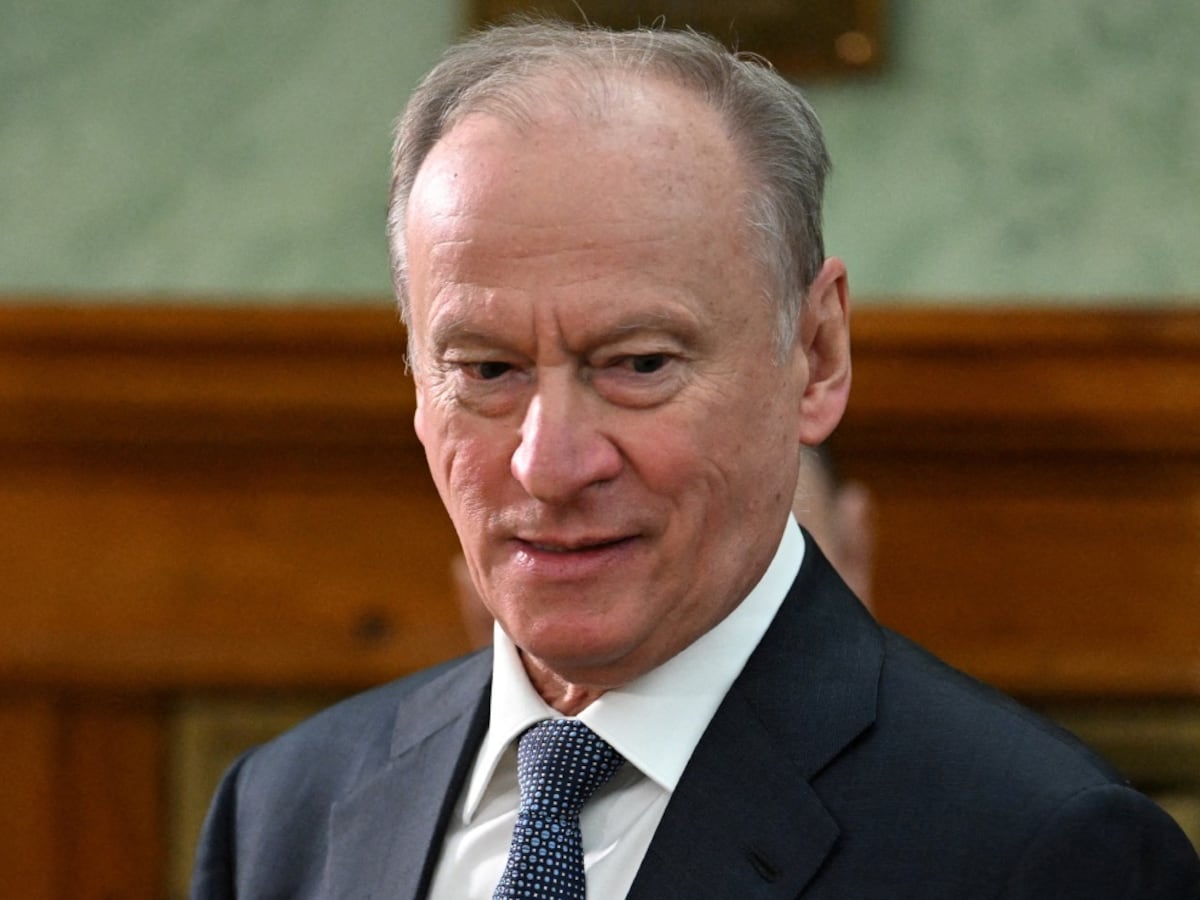
Russia could deploy its navy to prevent European powers from seizing its vessels, and may retaliate against European shipping if Russian ships are taken, Nikolai Patrushev – a close ally of President Vladimir Putin – said on Tuesday.
Western states have sought to cut off Russia from global trade and cripple its finances by imposing more than 30,000 sanctions over its war in Ukraine. They have also tried to block oil tankers suspected of involvement in Russian oil shipments. In January the United States seized a Russian‑flagged oil tanker as part of efforts to curb Venezuelan oil exports. Russian President Vladimir Putin has described such actions as piracy. (Reuters)
Moscow – Russian state nuclear corporation Rosatom said on Tuesday that it had released Siemens Energy from its obligations under a contract to help build the Paks II nuclear power plant in Hungary. Rosatom added that it is already considering options to replace Siemens equipment. (Reuters)
Gdansk – Italian exports to the United States rose by more than 7 % last year, data showed on Tuesday, despite tariffs imposed by former President Donald Trump in July that had sparked fears of a major dampening impact.
Imports from Italy, the EU’s third‑largest economy, are subject to a 15 % tariff on most EU goods, with additional duties threatened against pasta makers amid an anti‑dumping probe by the US Commerce Department.
Nevertheless, Italian exports to the US totalled €69.6 billion in 2025, up 7.2 % from the year earlier, according to the national statistics bureau Istat. Italy’s trade surplus with the US stood at €34.2 billion, the largest surplus it posted with any country last year, though it was down 12 % year‑on‑year because of a 36 % jump in imports. (Reuters)
Dubai – Parts of the Strait of Hormuz will close for a few hours on Tuesday due to “security precautions” for shipping safety, the semi‑official Fars news agency reported, as the Revolutionary Guards conduct military drills in the waterway.
The strait is the world’s most vital oil export route, linking the biggest Gulf oil producers – Saudi Arabia, Iran, Iraq and the United Arab Emirates – with the Gulf of Oman and the Arabian Sea. (Reuters)
London – Britain’s right‑wing Reform UK party named Robert Jenrick as its finance‑policy chief on Tuesday, as leader Nigel Farage announced the first members of his prospective ministerial team should the party win the next national election.
Reform leads the governing Labour Party in opinion polls as Prime Minister Keir Starmer struggles to deliver growth and jobs while making a series of embarrassing U‑turns on policy.
Farage named former Conservative leadership candidate Robert Jenrick as “shadow chancellor”, meaning Jenrick would serve as finance minister if Reform wins the next election, due in 2029. (Reuters)
Warsaw – Canada believes its CANDU reactor technology is the best option for Poland’s second nuclear plant, energy minister Tim Hodgson said Tuesday during a visit to Warsaw, as the country works to reduce its reliance on coal.
Poland has chosen US‑based Westinghouse Electric to build its first nuclear plant on the Baltic Sea coast. It has also begun consultations to select a partner for a second plant and has invited potential partners from the US, France, Canada and South Korea.
“We’re here to advance dialogue on nuclear power as Poland advances with its second nuclear plant,” Hodgson told reporters, adding that Canada would financially support the CANDU offer for Poland. (Reuters)
Comments
Want to join the conversation?
Loading comments...