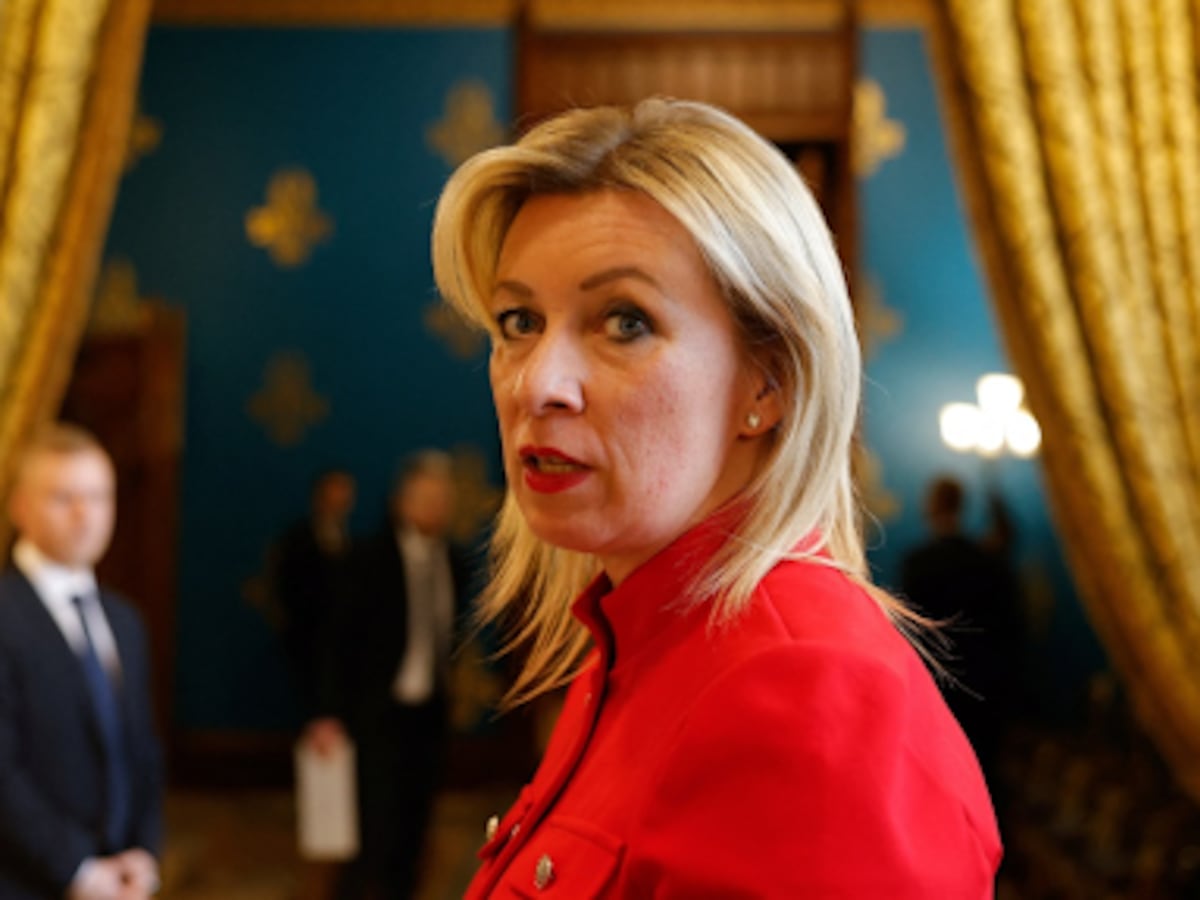
World Briefs | Russia Says Sending British Troops to Ukraine Would Prolong the War, Not End It
•February 26, 2026
0
Why It Matters
The statements signal heightened geopolitical friction over NATO involvement, reinforce financial market stability amid ECB continuity, and intensify economic pressure on Russia while underscoring the volatile humanitarian situation in Gaza.
Key Takeaways
- •Russia warns British troops would extend Ukraine conflict
- •UK defence chief pledges troop deployment after ceasefire
- •Lagarde confirms ECB term through 2027 despite rumors
- •EU seeks coordinated G7 ban on Russian oil services
- •Israeli strike kills two in Gaza, cites militant threat
Pulse Analysis
The prospect of Western troops on Ukrainian soil has resurfaced as a flashpoint in the Russia‑Ukraine war. Moscow’s stark warning that British forces would prolong the conflict reflects broader Russian concerns about NATO escalation, while the UK’s John Healey frames a troop commitment as a path to peace. Analysts note that such rhetoric could deter direct involvement, yet it also raises the risk of a wider confrontation involving additional NATO members, complicating diplomatic efforts for a cease‑fire.
In parallel, the European Union is tightening the economic noose around Moscow by preparing a coordinated G7 ban on maritime services that facilitate Russian seaborne crude‑oil exports. This move builds on the existing oil price cap, now set at $44 per barrel, and targets a critical revenue stream for the Kremlin. By aligning with major allies, the EU aims to amplify the financial impact while minimizing loopholes, a strategy that could accelerate Russia’s fiscal strain and influence its war‑financing capabilities.
The Middle East remains volatile as an Israeli airstrike in Gaza resulted in civilian deaths, underscoring the persistent humanitarian toll of the conflict. Israel’s justification—neutralising a perceived militant threat—highlights the delicate balance between security operations and civilian protection. The incident fuels international scrutiny and may affect diplomatic engagements, while the broader regional dynamics continue to shape security calculations for all parties involved.
World briefs | Russia says sending British troops to Ukraine would prolong the war, not end it
0
Comments
Want to join the conversation?
Loading comments...