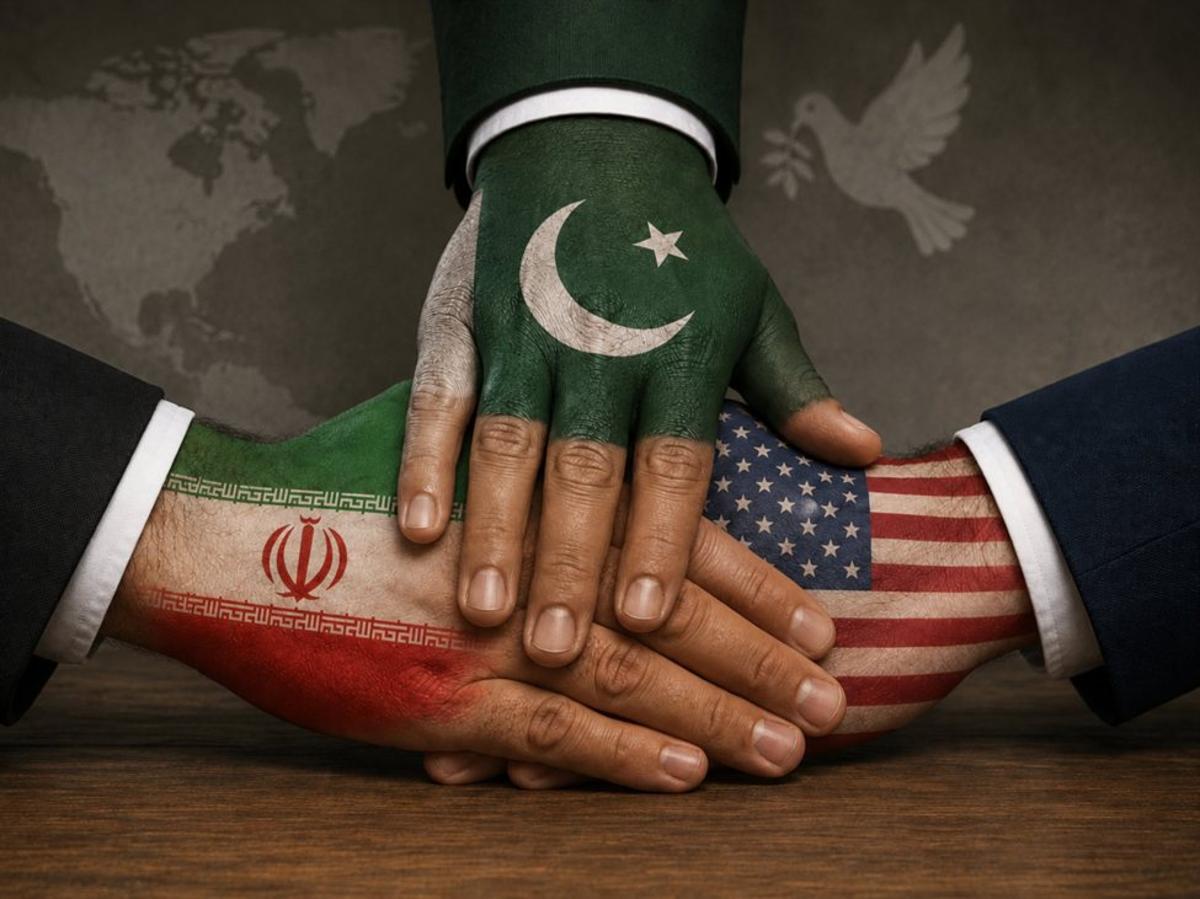
WSJ: Critical Stage in Iran Negotiations: Mediators Rush to Prevent Military Action
Why It Matters
A breakthrough or collapse will shape Middle‑East security, influencing U.S. strategic posture and global energy markets. The outcome also determines the future trajectory of Iran’s nuclear program and sanctions regime.
Key Takeaways
- •Pakistan, Qatar, Saudi Arabia mediate between U.S. and Iran
- •Sticking point: timing of Iran's enrichment concessions
- •Failure could trigger limited U.S./Israeli strikes on Iranian energy
- •Temporary framework seeks cease‑fire extension and deeper negotiations
Pulse Analysis
The current diplomatic push reflects a rare convergence of regional powers seeking to avert a military flashpoint that could destabilize global oil supplies. By involving Pakistan, Qatar and Saudi Arabia, the United States hopes to leverage their influence over Tehran while offering a pragmatic, step‑by‑step approach that separates immediate cease‑fire guarantees from the more contentious nuclear timeline. This layered strategy mirrors past multilateral efforts, such as the 2015 Joint Comprehensive Plan of Action, but adds a new urgency given the recent surge in rhetoric and the proximity of military planners to Iranian targets.
At the heart of the impasse is the sequencing of nuclear concessions. Washington demands an immediate suspension of uranium enrichment and the handover of near‑weapons‑grade material before any meaningful sanctions relief, whereas Tehran insists on a phased approach that ties economic reprieve to a broader, negotiated settlement. The disagreement over enrichment timing not only stalls talks but also fuels domestic political pressures in both capitals, where hardliners on each side view compromise as a sign of weakness. A temporary memorandum of understanding could buy time, allowing confidence‑building measures such as limited inspections and humanitarian corridors while the finer points of a permanent deal are hashed out.
Should diplomacy falter, the prospect of limited strikes on Iranian energy infrastructure looms large, threatening to disrupt a region that supplies roughly 10% of global oil. Such actions would likely provoke retaliatory attacks, widening the conflict beyond the immediate theater and drawing in additional actors. For investors and policymakers, the stakes are clear: a successful framework could stabilize markets and reduce the risk of a broader war, while a breakdown could reignite volatility across energy, defense and geopolitical risk premiums worldwide.
WSJ: Critical Stage in Iran negotiations: Mediators rush to prevent military action
Comments
Want to join the conversation?
Loading comments...