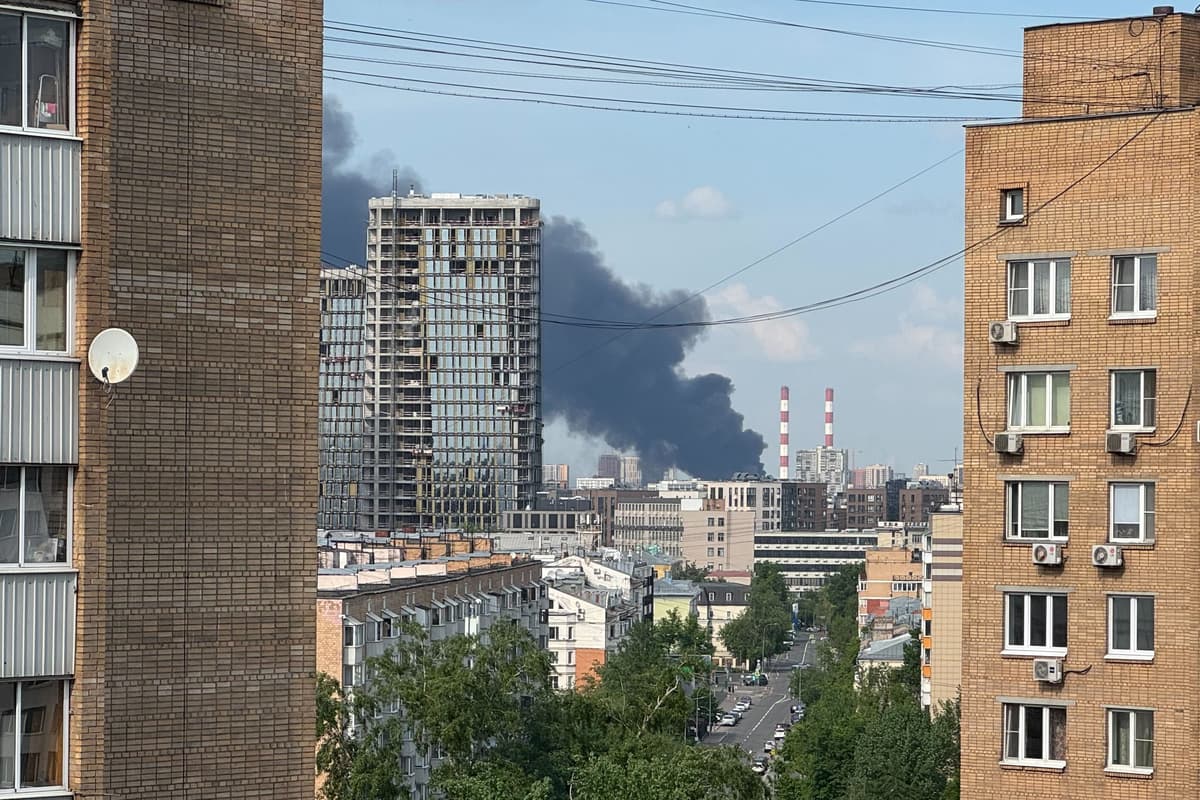
Zelensky Hails Ukraine's Growing Drone Capability After Massive Moscow Strike
Why It Matters
The operation shows Ukraine can strike deep into Russia, pressuring its energy revenue and forcing Moscow to divert air‑defence resources, which could alter the conflict’s trajectory.
Key Takeaways
- •Ukraine killed three people in Moscow with long‑range drones.
- •Over 120 drones intercepted near Moscow, 1,000 across Russia in 24 hrs.
- •Strikes hit oil refinery area; debris fell on Sheremetyevo airport.
- •Zelensky says long‑range capability changes global perception of Russia.
- •Drone attacks force Russia to divert air‑defense from front lines.
Pulse Analysis
Ukraine’s recent drone barrage that ignited a fire in eastern Moscow marks a turning point in the conflict’s geography. Over the past year Kyiv has fielded a growing fleet of inexpensive, one‑way precision drones capable of striking targets up to 500 km from the front line. The latest attack, which killed three civilians in the Moscow region and a fourth in Belgorod, demonstrates that these systems can breach the dense air‑defence umbrella surrounding Russia’s capital. President Volodymyr Zelensky highlighted the development as a strategic lever that reshapes how the world views Moscow’s war.
The strikes also targeted critical energy infrastructure, with drones striking near an oil refinery and debris raining down on the perimeter of Sheremetyevo International Airport. By disrupting fuel processing sites, Ukraine aims to erode the revenue stream that funds Russia’s military operations. Moscow’s defence ministry reported intercepting more than 120 drones around the capital and a total of 1,000 across the country in a single day, underscoring the strain on its layered air‑defence network. The diversion of interceptors away from the front lines could blunt Russia’s ability to protect advancing ground forces.
International observers see the expanding Ukrainian drone campaign as a cost‑effective means of asymmetric warfare, forcing Moscow to allocate scarce air‑defence assets to its own heartland. This shift may compel Russia to reconsider the intensity of its cross‑border strikes, lest it provoke further retaliation deep inside its territory. For NATO allies, the development underscores the value of supplying loitering‑munition technology and intelligence that enhance Ukraine’s strike reach. As the war enters its fifth year, the growing ability to hit high‑value targets far from the front could shape future diplomatic negotiations and the calculus of a negotiated settlement.
Zelensky Hails Ukraine's Growing Drone Capability After Massive Moscow Strike
Comments
Want to join the conversation?
Loading comments...